Robert the Bruce was King of Scots from 1306 until his death in 1329. He lived during a time when Scotland and England were in conflict over who should rule Scotland. Robert became king while the country was divided and under strong pressure from the English crown. Over many years, he led Scottish forces in a struggle known as the Wars of Scottish Independence. By the end of his reign, Scotland’s kingship was widely recognized.
Robert was born in 1274 into the Bruce family, a powerful noble family with lands in Scotland and England. Because of this, Robert had ties to both kingdoms. After the death of King Alexander III of Scotland, there was no clear heir. Several nobles claimed the throne. The English king, Edward I, became involved and gained influence over Scotland. During this period, Robert sometimes supported English authority and at other times supported Scottish independence, depending on events.
In 1306, Robert killed a rival claimant, John Comyn, during a meeting at a church in Dumfries. Soon after, Robert was crowned king at Scone. His rule began in difficulty. English forces defeated him several times, and Robert became a fugitive. A fugitive is a person who is forced to hide. For a period, he moved between islands and remote areas to avoid capture while gathering supporters.
Over time, Robert rebuilt his strength. He used small, fast-moving forces and avoided large battles when possible. Scottish fighters attacked castles and supply lines. This method slowly weakened English control. Robert gained support from Scottish nobles and common people. His leadership improved the coordination of Scottish forces across the country.
The most famous battle of Robert’s reign was the Battle of Bannockburn in 1314. There, Scottish forces defeated a much larger English army led by Edward II. The battle took place near Stirling. Scottish soldiers fought on foot using long spears. The English army was forced to retreat. This victory greatly increased Robert’s position as king and reduced English control in Scotland.
In later years, Robert worked to secure recognition of Scotland’s independence. In 1320, Scottish nobles sent a letter to the Pope known as the Declaration of Arbroath. It stated that Scotland was a free kingdom and that Robert was its lawful king. In 1328, England formally recognized Robert as King of Scots in a peace agreement. Robert died in 1329 and was buried at Dunfermline Abbey. His reign ended with Scotland governed by its own king.
Robert the Bruce
Level
readlittle.com
King of Scots during independence wars
What We Can Learn
- Robert the Bruce was King of Scots from 1306 to 1329
- He led Scotland during the Wars of Scottish Independence
- He won a major victory at the Battle of Bannockburn
- Scotland’s kingship was recognized before his death
Related Reads
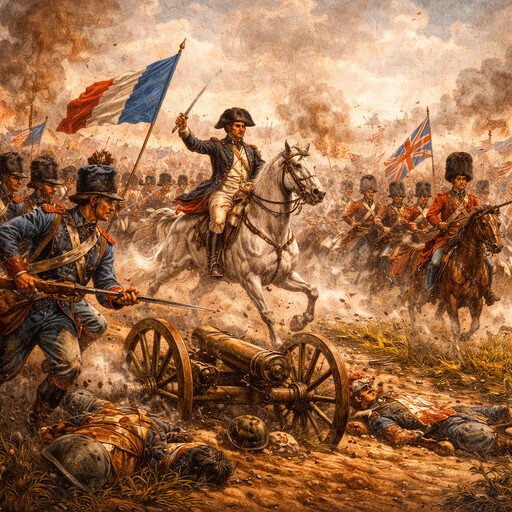
Battle of Waterloo
Napoleon’s final defeat
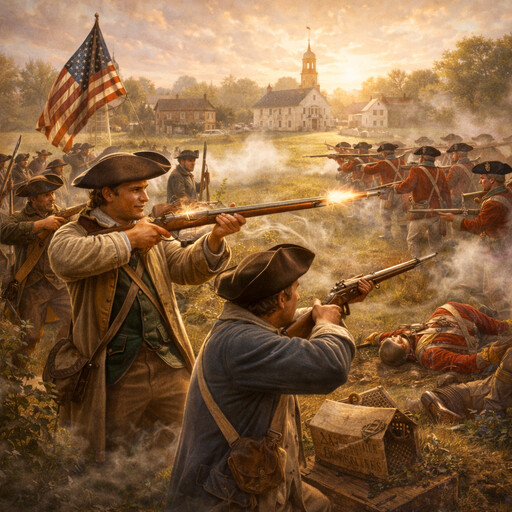
Battles of Lexington and Concord
First fighting of the American Revolution
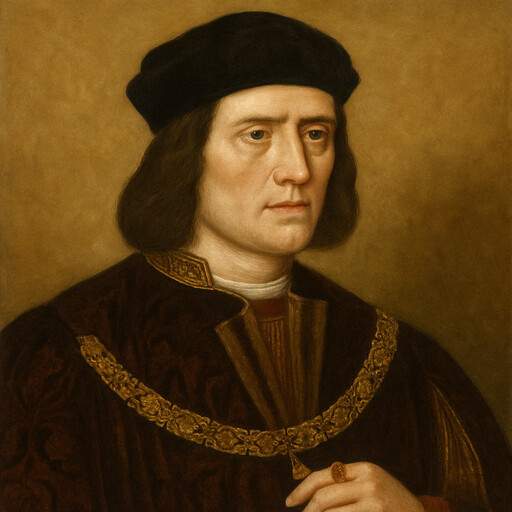
Richard III
Last king of the House of York
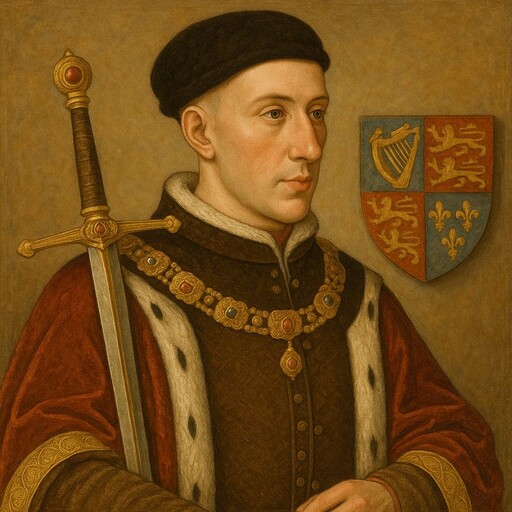
Henry V
English king during major battles
Henry VII
First Tudor king of England
Hundred Years' War
Long conflict between England and France

Edward II
A troubled medieval English king
Edward III
A long-reigning medieval English king
Harold Godwinson
England’s last Anglo-Saxon king
William the Conqueror
Norman ruler who changed England
Norman Conquest
How Normandy took control of England
Battle of Hastings
A major fight for England’s crown