The Battle of Waterloo was a large military battle fought on 18 June 1815. It took place near the village of Waterloo, in present-day Belgium. The battle marked the final defeat of Napoleon Bonaparte. After this battle, Napoleon never returned to power in France.
At the time of the battle, Napoleon had recently returned from exile. Exile means being forced to live away from one’s country. He had escaped from the island of Elba and ruled France again for a short period called the Hundred Days. Many European nations were worried about his return and formed an alliance to stop him.
The main opposing army was led by Arthur Wellesley, also known as the Duke of Wellington. He commanded British and allied troops, including soldiers from the Netherlands and Germany. Another important force was the Prussian army, led by Gebhard Leberecht von Blücher. An army is a large group of soldiers trained for war.
Napoleon attacked Wellington’s army during the day. The fighting was intense and lasted many hours. Soldiers used muskets, cannons, and cavalry. Cavalry are soldiers who fight on horseback. The ground was muddy from heavy rain, which made movement slow and difficult for both sides.
In the afternoon, the Prussian army arrived on the battlefield. Their arrival changed the situation. Napoleon now had to fight on two sides at once. His forces became tired and disorganized. By evening, Wellington’s and Blücher’s armies pushed Napoleon’s troops back.
Napoleon was defeated and forced to retreat. Soon after, he gave up power for the second time. He was sent into exile again, this time to the island of Saint Helena in the Atlantic Ocean. The Battle of Waterloo ended the Napoleonic Wars and brought the First French Empire to an end.
Battle of Waterloo
Level
readlittle.com
Napoleon’s final defeat
What We Can Learn
- The battle was fought on 18 June 1815.
- Napoleon Bonaparte was defeated.
- British and Prussian armies fought together.
- The battle ended the Napoleonic Wars.
Related Reads
No image
Vienna
Capital city on the Danube River

Molotov–Ribbentrop Pact
Non-aggression agreement before World War II
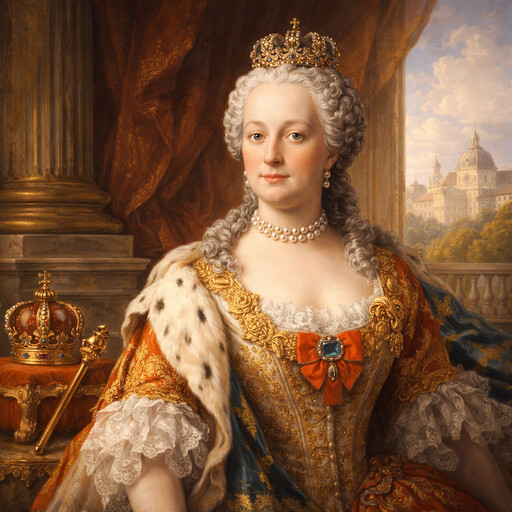
Maria Theresa
Powerful ruler of the Habsburg lands

Munich Agreement
1938 agreement over Czechoslovak territory

Vilnius
Historic capital city of Lithuania

Revolutions of 1848
Uprisings across Europe in 1848

Polish–Soviet War
War over borders after World War I
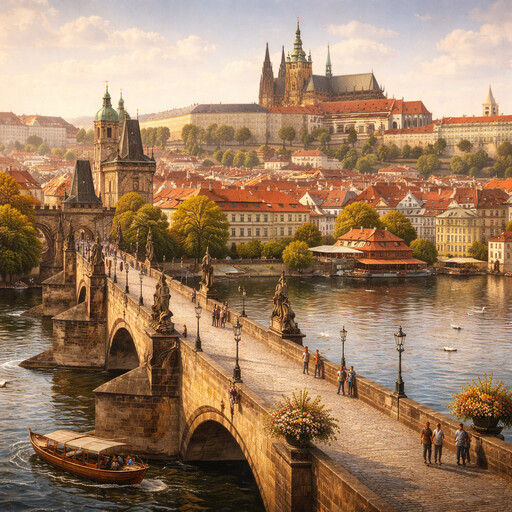
Prague
Historic capital city of the Czech Republic
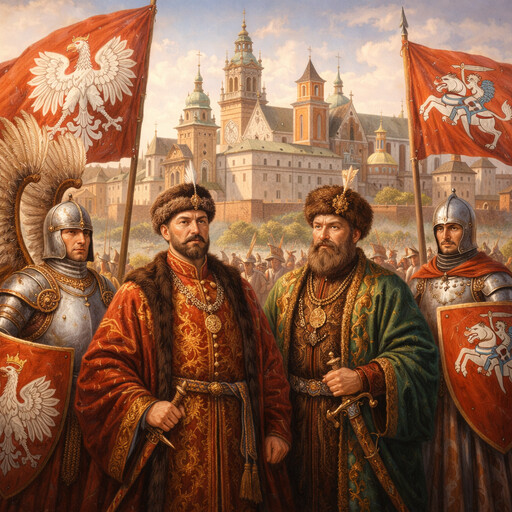
Polish–Lithuanian Commonwealth
A large early modern European state
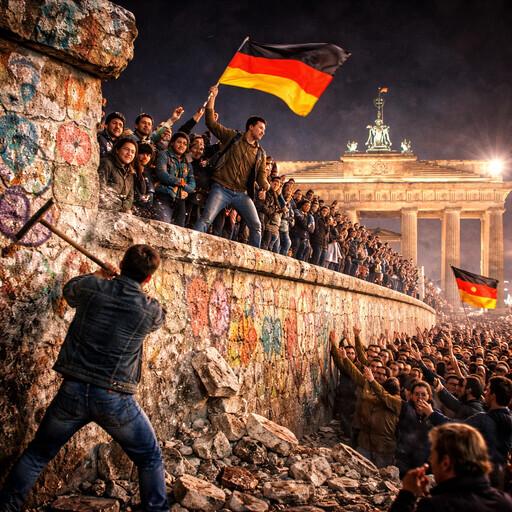
Fall of the Berlin Wall
End of Germany’s divided barrier
Peace of Westphalia
Treaties ending major European wars
Johannes Gutenberg
Inventor of movable-type printing in Europe