Henry V of England was King of England from 1413 until his death in 1422. He is well known for his role in the later stages of the Hundred Years' War, a long conflict between England and France. His reign was short, but several major events took place during it, including one of the most noted English victories, the Battle of Agincourt.
Henry was born in 1386 or 1387 as the son of Henry Bolingbroke, who later became King Henry IV. As a young man, Henry took part in military campaigns in Wales. These campaigns were ordered by his father to try to control parts of the kingdom. Henry also served on the king’s council, which was a group that helped the monarch make decisions.
Henry became king in 1413. Early in his rule, he worked to settle conflicts inside England. Some of these conflicts came from supporters of the previous king, Richard II. Henry also made changes in the royal household and government to strengthen his authority. After stabilizing matters at home, he focused on the war with France.
In 1415, Henry led an army across the English Channel and captured the port city of Harfleur. Soon after, he faced a much larger French force near the village of Agincourt. The Battle of Agincourt took place on 25 October 1415. English soldiers used longbows, which were tall wooden bows that could shoot arrows over long distances. The muddy ground and narrow battlefield also limited the movement of the French army. These conditions helped the smaller English force win the battle.
After Agincourt, Henry continued campaigns in France. In 1420, he signed the Treaty of Troyes with the French king, Charles VI. This treaty named Henry as the heir to the French throne and arranged for him to marry Charles’s daughter, Catherine of Valois. The treaty aimed to unite the crowns of England and France, although this union did not fully take place.
Henry died in 1422 while still in France. His son, Henry VI, became king as a baby. Henry V is remembered for his military leadership and for shaping the course of the Hundred Years' War, especially through the victory at Agincourt and the Treaty of Troyes.
Henry V
Level
readlittle.com
English king during major battles
What We Can Learn
- Henry V ruled England from 1413 to 1422.
- He fought major campaigns in the Hundred Years' War.
- The Battle of Agincourt was a major English victory under his command.
- The Treaty of Troyes named him heir to the French throne.
Related Reads

Molotov–Ribbentrop Pact
Non-aggression agreement before World War II

Munich Agreement
1938 agreement over Czechoslovak territory
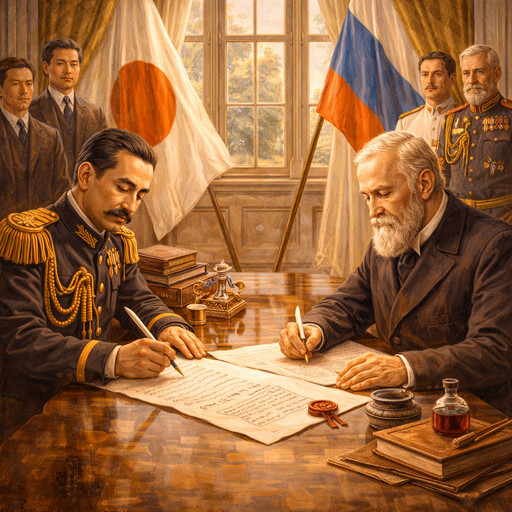
Treaty of Portsmouth
Peace agreement ending Russo-Japanese War
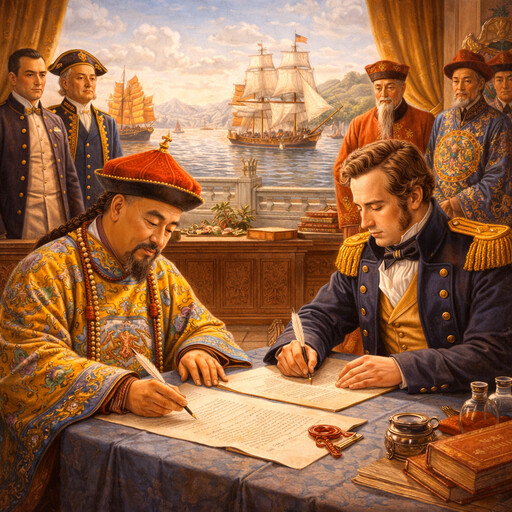
Treaty of Nanking
First unequal treaty between China and Britain
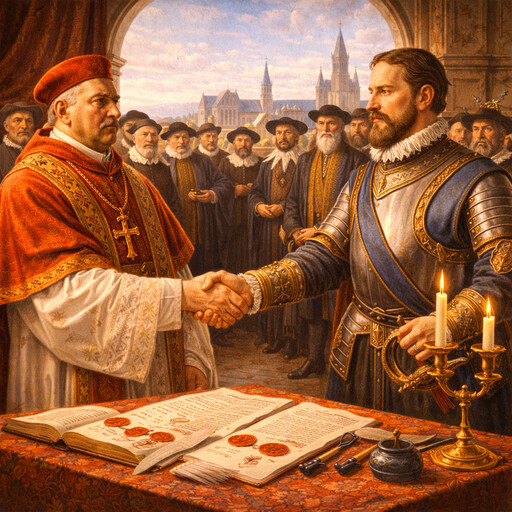
Peace of Westphalia
Treaties ending major European wars
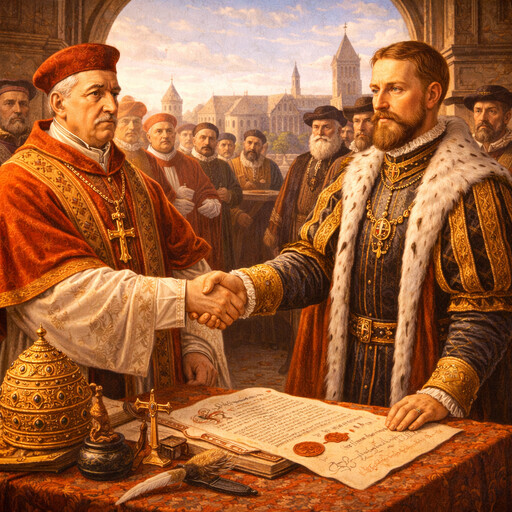
Peace of Augsburg
Religious settlement in the Holy Roman Empire
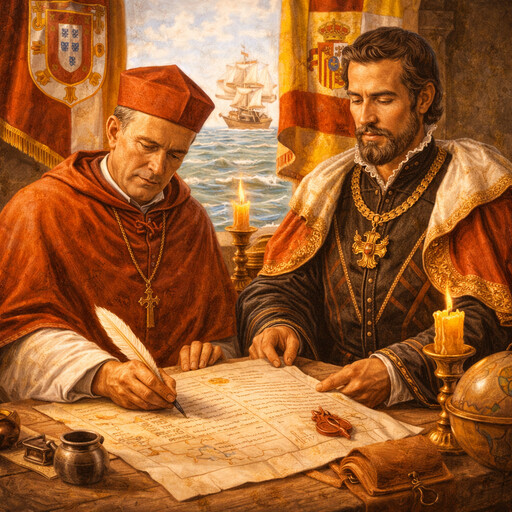
Treaty of Tordesillas
Dividing new lands between two kingdoms
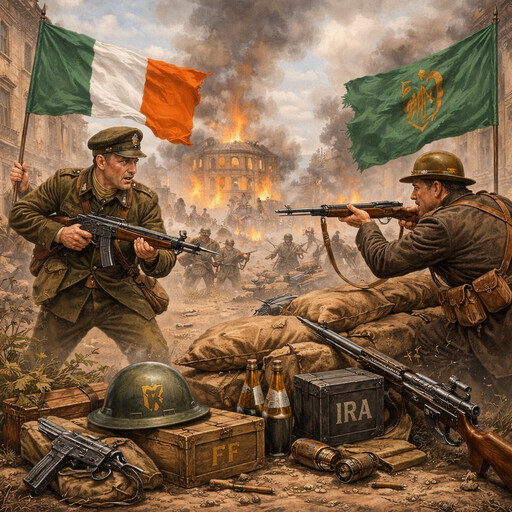
Irish Civil War
Conflict over Ireland’s new state
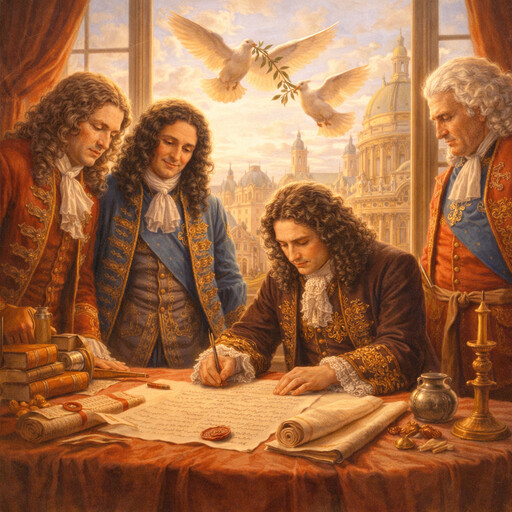
Peace of Utrecht
European treaties ending a major war
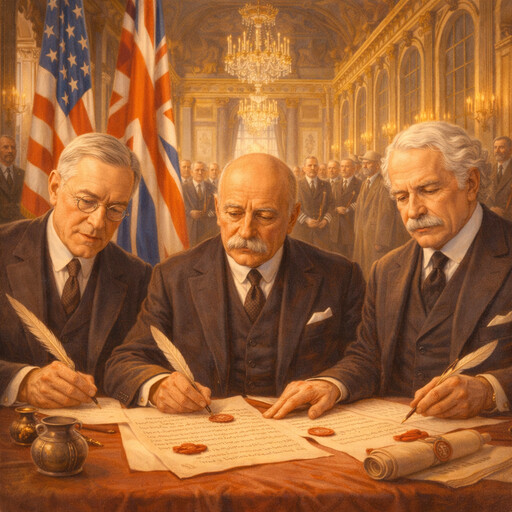
Treaty of Versailles
Peace agreement ending World War I

Battle of Waterloo
Napoleon’s final defeat

Battles of Lexington and Concord
First fighting of the American Revolution