The Holodomor was a major famine that happened in Soviet Ukraine during the years 1932 and 1933. The word *Holodomor* comes from Ukrainian words meaning “death by hunger.” It refers to a time when food became very scarce, and many people were unable to survive. The famine occurred while Ukraine was part of the Soviet Union. It affected mostly rural areas, where many people were farmers who depended on crops for food.
Before the famine, most people in Ukraine lived in villages and worked on small farms. In the late 1920s and early 1930s, the Soviet government introduced a policy called *collectivization*. Collectivization meant that private farms were taken over and combined into large, state-controlled farms. Farmers were expected to give grain and other food to the government. These food quotas were often very high. When farmers could not meet them, authorities took more food, including seed grain and stored supplies.
During 1932, food shortages became worse. Harvests were lower than expected, and grain collection continued. Many villages were left with little or no food. Travel from villages to cities was restricted, which limited access to other food sources. Local markets were closed in many places. By the winter of 1932–1933, hunger had spread widely. People ate whatever they could find, including animal feed and plants. Large numbers of people became weak from malnutrition.
The famine caused a sharp rise in deaths during 1932 and 1933. Estimates of the number of deaths vary, but historians agree that millions of people died in Ukraine during this time. The famine also affected other parts of the Soviet Union, such as Kazakhstan and southern Russia, but the impact in Ukraine was especially severe. Records from that period are incomplete, which makes exact numbers difficult to confirm.
The Soviet government, led at the time by Joseph Stalin, did not officially recognize the famine while it was happening. Information about food shortages was limited, and foreign journalists had restricted access to affected areas. After the famine ended, discussion of it was not allowed in the Soviet Union for many years. Official records and public memory of the event were controlled by the state.
After the Soviet Union collapsed in 1991, Ukraine became an independent country. Researchers gained access to archives, and public discussion of the Holodomor increased. Many countries and organizations have studied the event and debated how it should be described. Today, the Holodomor is remembered in Ukraine as a major historical tragedy. Memorials and remembrance days exist to mark the famine and its effects on the population.
Holodomor
Level
readlittle.com
Famine in Soviet Ukraine, 1932–1933
What We Can Learn
- The Holodomor was a famine in Soviet Ukraine in 1932–1933
- It occurred during the period of collectivization
- Millions of people died due to food shortages
- Discussion of the famine was restricted for many years
Related Reads
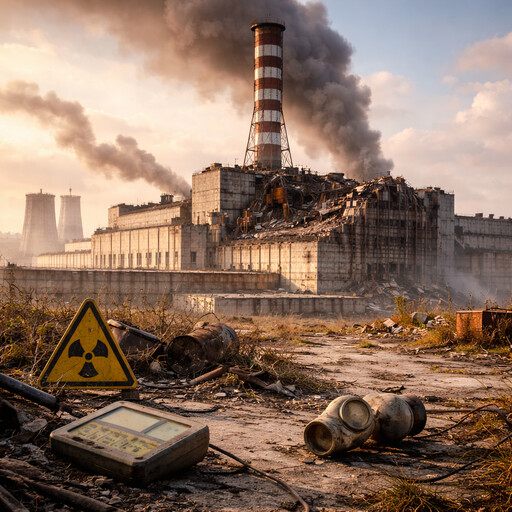
Chernobyl disaster
Major nuclear accident in Soviet Ukraine
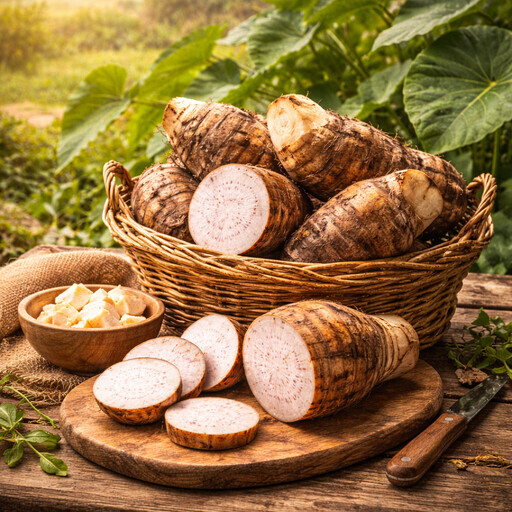
Taro
Starchy root crop grown in wet fields
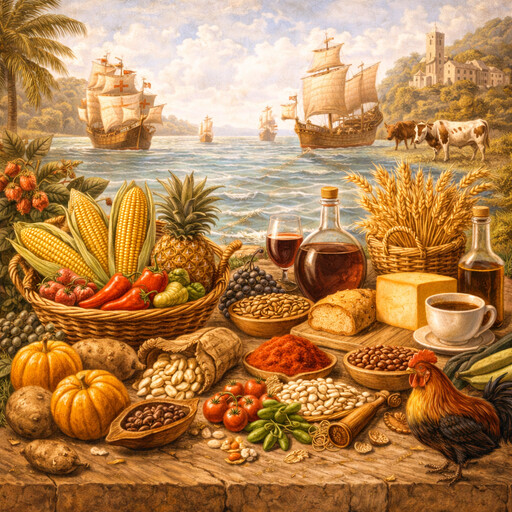
Columbian exchange
Global sharing after Atlantic contact
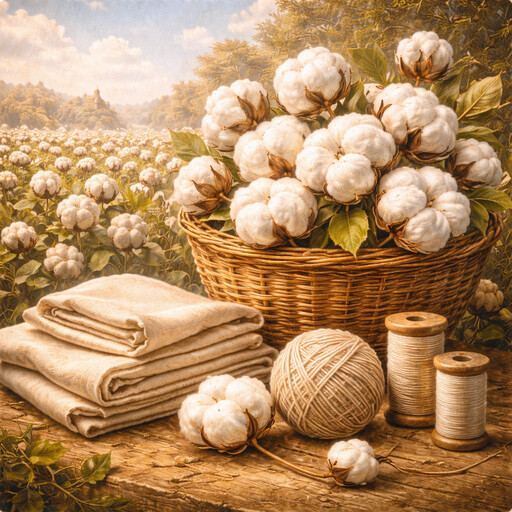
Cotton
A natural fiber from plants

George Washington Carver
American scientist and agricultural researcher
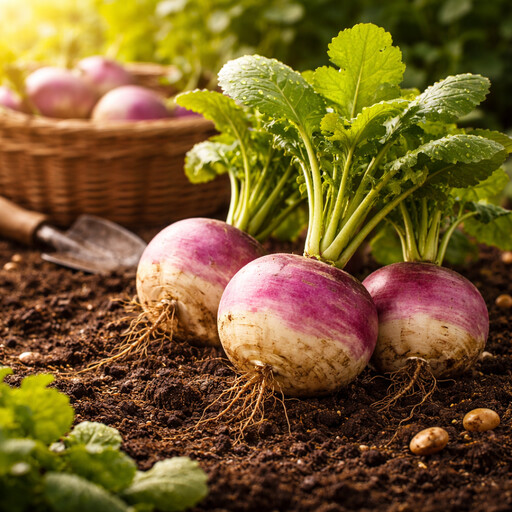
Turnip
A root vegetable grown worldwide
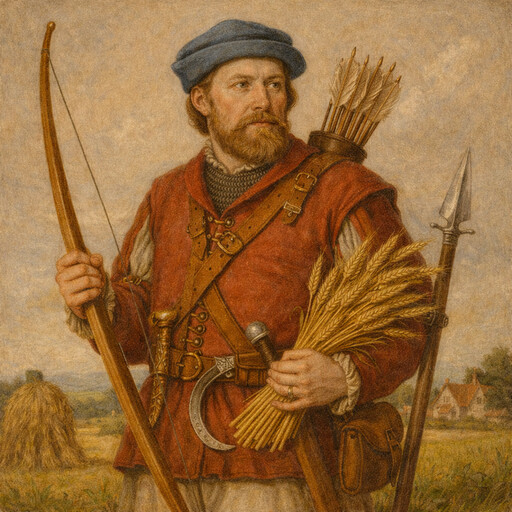
Yeoman
Independent farmer and social class
Goose
Vigilant guardians of lakes and skies
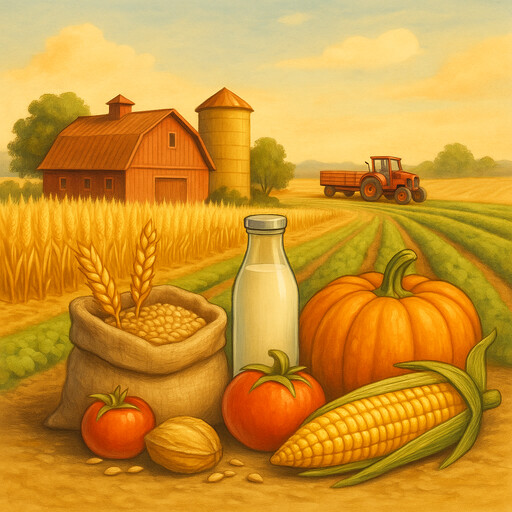
Agriculture
Growing plants and raising animals
Mount Etna
Europe's fiery Sicilian giant
Mount Vesuvius
Volcano guarding the Bay of Naples

Coffee
From mountain cherry to morning mug