Kazakhstan stretches across Central Asia from the Caspian Sea to the Altai Mountains. Northern steppes merge into Siberia, while southern deserts and oases border Uzbekistan and Turkmenistan. The Tien Shan Mountains rise near Almaty, offering apple orchards and skiing, and the shrinking Aral Sea basin shows how irrigation projects altered the region. The country experiences hot summers, frigid winters, and powerful winds that drive sprawling wind farms.
Kazakhstan is a presidential republic with a bicameral parliament called the Mazhilis and Senate. The capital, once named Astana and now called Astana again after a brief renaming, is a planned city on the Ishim River filled with futuristic architecture such as the Bayterek Tower. Regions known as oblasts manage schools, hospitals, and transport. The Baikonur Cosmodrome, leased to Russia, launches crewed space missions, while new transit corridors link China to Europe through Kazakh railways.
History includes Turkic nomadic tribes, the Kazakh Khanate, and absorption into the Russian Empire and Soviet Union. Kazakhstan declared independence in 1991, adopted a constitution, and joined organizations such as the United Nations, Shanghai Cooperation Organisation, and Eurasian Economic Union. The country promotes cultural unity through the Assembly of People of Kazakhstan, representing more than 100 ethnic groups.
The economy relies on oil, natural gas, uranium, agriculture, and manufacturing. Offshore rigs tap the Kashagan field in the Caspian, pipelines export crude to Europe and China, and mines provide uranium for global reactors. Grain farms in the north produce wheat, while southern farmers grow cotton and melons. Financial services and digital startups cluster in the Astana International Financial Centre, and the government invests in green hydrogen research and logistics hubs along the Belt and Road Initiative.
Culture blends nomadic customs, Russian influences, and modern art. Families celebrate Nauryz spring festival with horse games, besbarmak boiled meat with noodles, and kumis fermented mare's milk. Traditional instruments like the dombra accompany epic songs, and eagle hunters in the Altai demonstrate centuries-old falconry. Museums in Almaty and Shymkent highlight petroglyphs, the Silk Road, and cosmonaut achievements, while schools teach Kazakh and Russian alongside English.
Kazakhstan
Level
readlittle.com
Steppe republic bridging Europe and Asia
What We Can Learn
- Kazakhstan spans steppes, deserts, and mountain ranges across Central Asia.
- A presidential republic with a planned capital coordinates regions and space launches.
- History includes nomadic khanates, Soviet rule, and 1991 independence.
- Oil, gas, uranium, agriculture, and cultural festivals fuel the economy and identity.
Related Reads

Johann Gottfried Herder
German thinker of culture and language
No image
Monarchy
Government ruled by a royal family
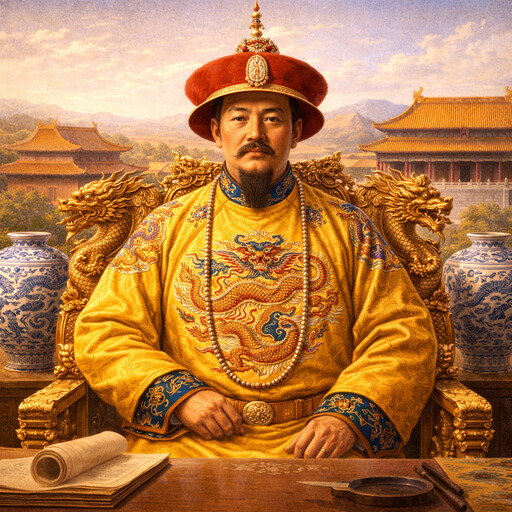
Ming dynasty
Chinese dynasty from 1368 to 1644
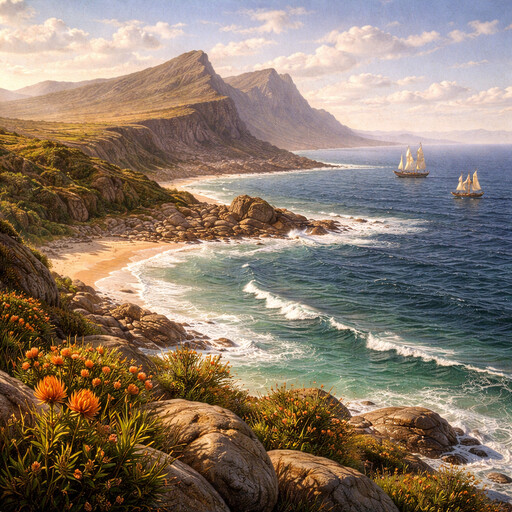
Cape of Good Hope
Southern headland of Africa
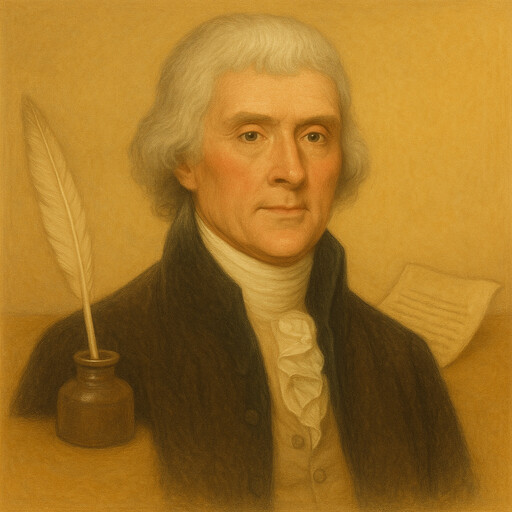
Thomas Jefferson
Author and third U.S. president
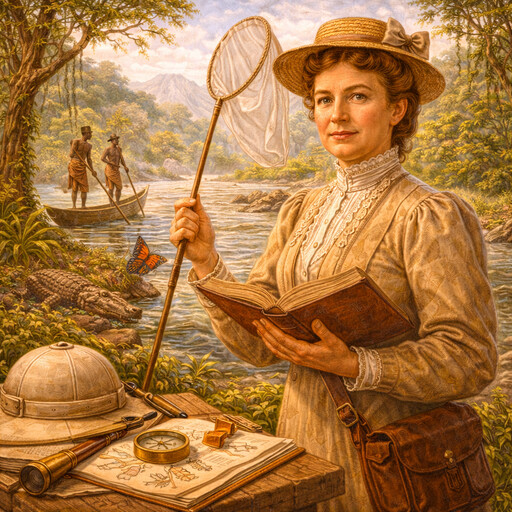
Mary Kingsley
British traveler and writer in West Africa
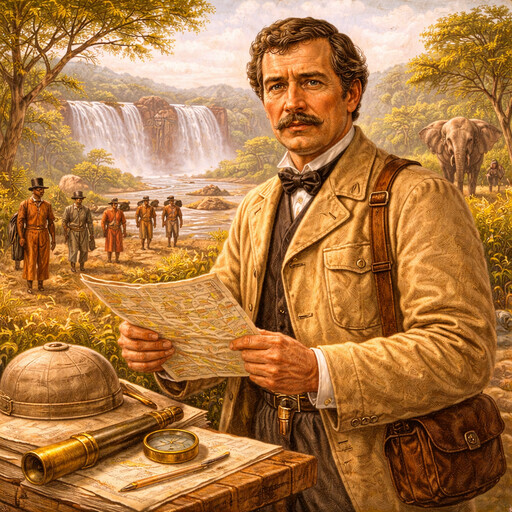
David Livingstone
Scottish explorer of Africa
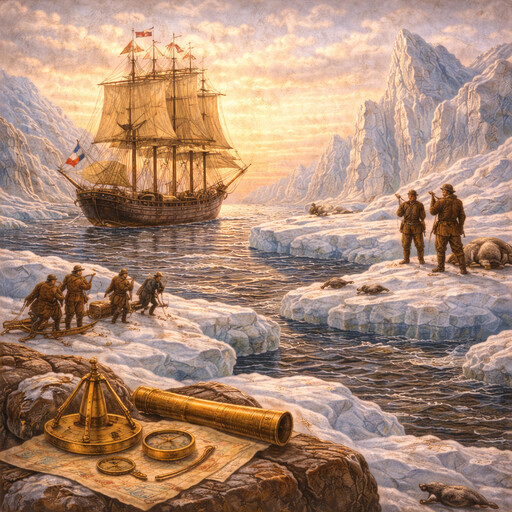
Northwest Passage
A sea route through Arctic waters
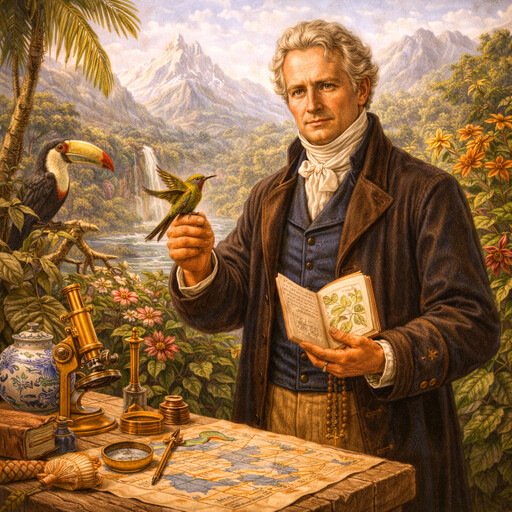
Alexander von Humboldt
Explorer of nature and the natural world
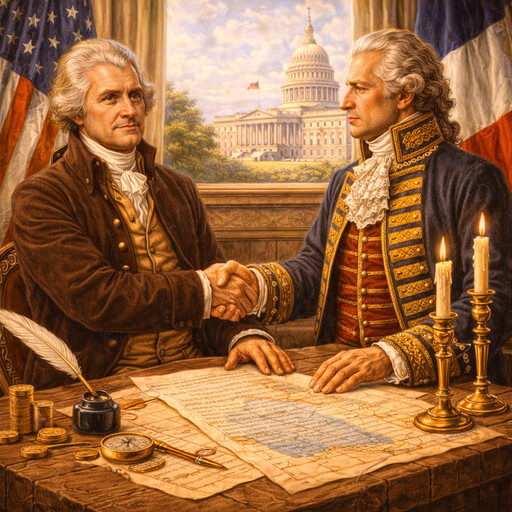
Louisiana Purchase
A land deal that doubled the United States

Lewis and Clark Expedition
Exploring the land west of the Mississippi
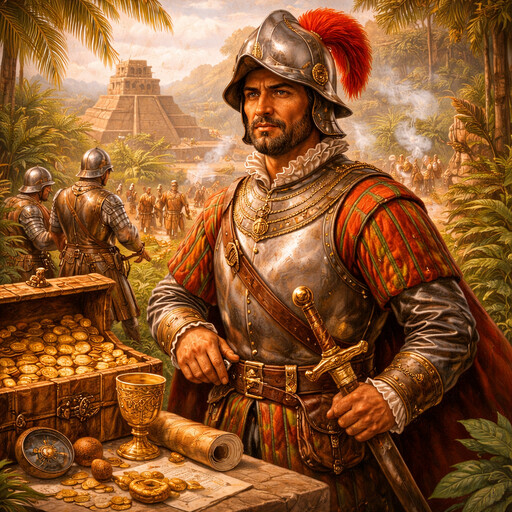
Conquistador
Spanish explorers and soldiers of empire