Joseph Stalin was the leader of the Soviet Union from the mid-1920s until his death in 1953. He was born in 1878 in Gori, a town in the Caucasus region of the Russian Empire. His birth name was Iosif Vissarionovich Dzhugashvili. Over time, he became known as Joseph Stalin, a name that means "man of steel". He rose to power after the death of Vladimir Lenin, the founder of the Soviet state.
Stalin became head of the Soviet government by gaining control of the Communist Party. A political party is an organized group that seeks to control government. Stalin held the position of General Secretary, which allowed him to appoint people to important jobs. By the late 1920s, he had removed rivals such as Leon Trotsky. This made Stalin the most powerful person in the Soviet Union.
Under Stalin, the Soviet Union changed rapidly. He introduced large economic plans called Five-Year Plans. These plans aimed to increase industrial production, such as steel and machinery. Industrialization means building factories and machines to produce goods. At the same time, farming was reorganized into large state-controlled farms. This process was called collectivization. It caused major disruptions and food shortages in some regions.
Stalin ruled through a strong central government. During the 1930s, the Soviet Union experienced a period known as the Great Purge. A purge is the removal of people seen as enemies. Many officials, soldiers, and citizens were arrested, sent to labor camps, or executed. These actions were carried out by state security organizations. The goal was to remove opposition and tighten control.
During World War II, Stalin led the Soviet Union against Nazi Germany. In 1941, Germany invaded Soviet territory. The Soviet Union became one of the main Allied powers. Major battles, such as the Battle of Stalingrad, resulted in heavy losses but ended with Soviet victories. By 1945, Soviet forces had pushed German troops back to Berlin.
After the war, the Soviet Union emerged as a global power. Stalin helped shape Eastern Europe by establishing pro-Soviet governments in several countries. This period marked the beginning of the Cold War, a long period of tension between the Soviet Union and Western nations. Stalin remained in power until his death in 1953. His rule had a lasting impact on Soviet history and government.
Joseph Stalin
Level
readlittle.com
Leader of the Soviet Union
What We Can Learn
- Joseph Stalin led the Soviet Union from the 1920s to 1953
- He gained power through the Communist Party
- His policies changed industry and farming
- He led the Soviet Union during World War II
Related Reads

Molotov–Ribbentrop Pact
Non-aggression agreement before World War II

Munich Agreement
1938 agreement over Czechoslovak territory
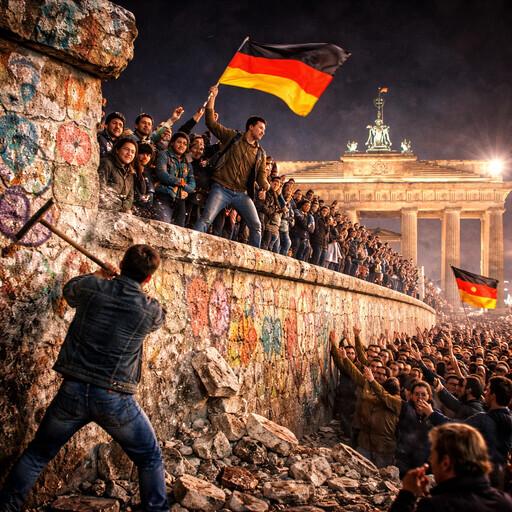
Fall of the Berlin Wall
End of Germany’s divided barrier
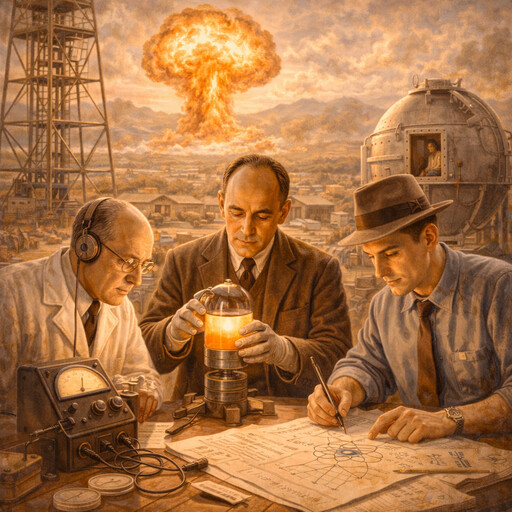
Manhattan Project
World War II atomic research program
Henry Kissinger
American diplomat and foreign policy leader
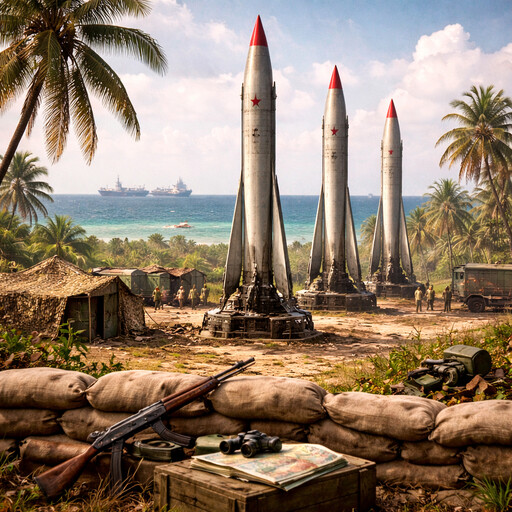
Cuban Missile Crisis
Cold War nuclear standoff in 1962
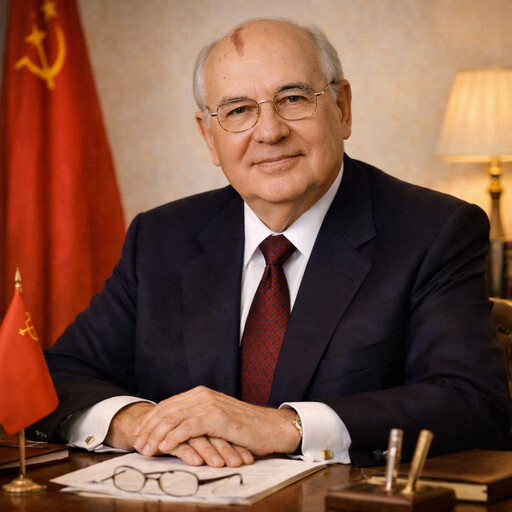
Mikhail Gorbachev
Last leader of the Soviet Union
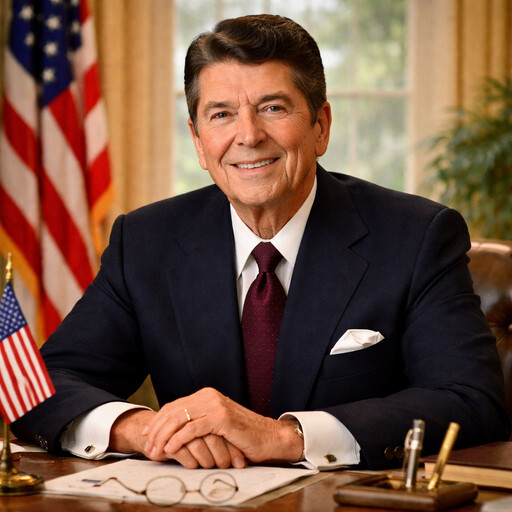
Ronald Reagan
40th president of the United States
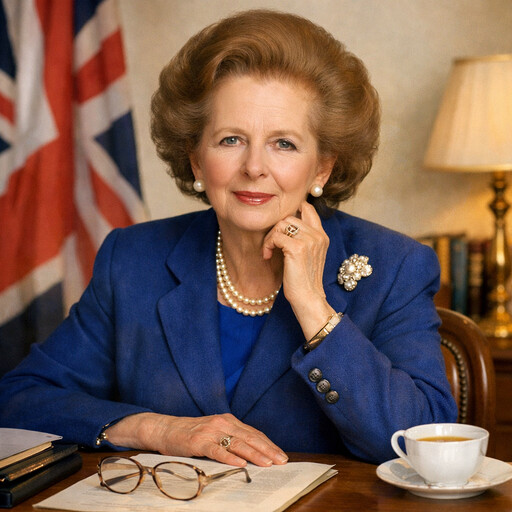
Margaret Thatcher
First woman prime minister of the United Kingdom
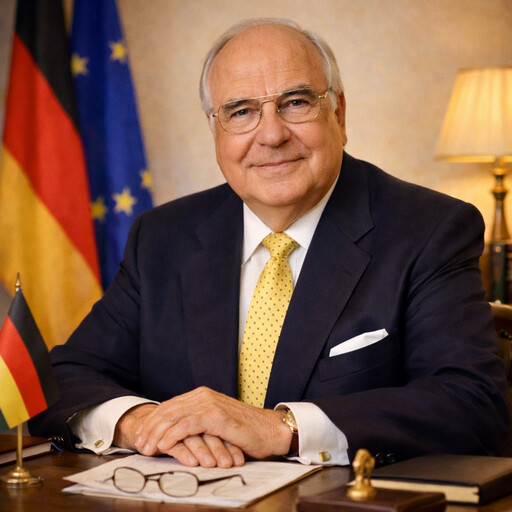
Helmut Kohl
German chancellor during reunification
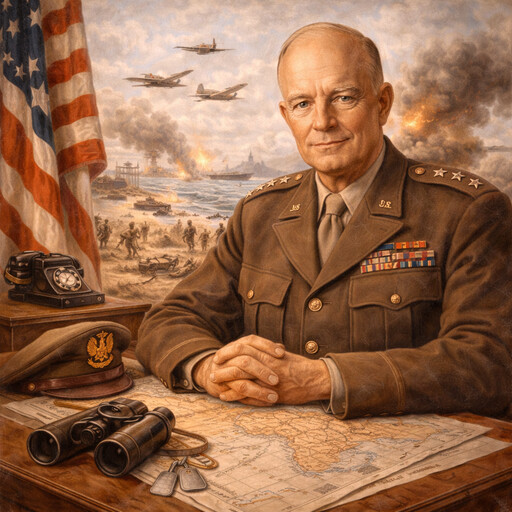
Dwight D. Eisenhower
American general and president
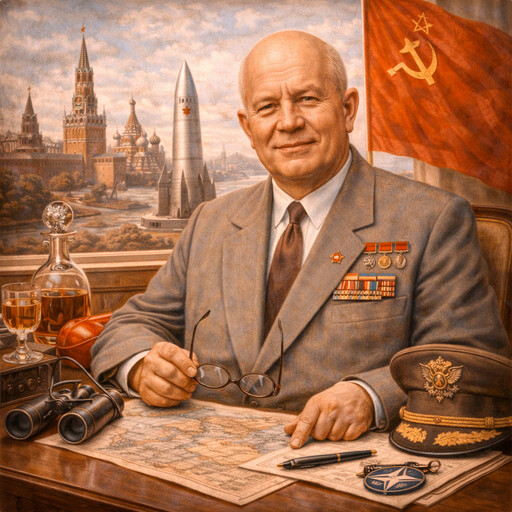
Nikita Khrushchev
Soviet leader during the Cold War