The Columbian exchange was a long process of sharing between different parts of the world. It began after 1492, when European voyages connected the Americas with Europe, Africa, and Asia. The word exchange means a two-way movement. In this case, many things moved across the Atlantic Ocean in both directions. These included food plants, animals, people, and diseases. The exchange slowly changed daily life in many regions of the world.
Before 1492, the Americas were separated from Europe, Africa, and Asia for thousands of years. People in each region grew different crops and raised different animals. When ships began to travel regularly across the Atlantic, these worlds became linked. European sailors, traders, and settlers carried items with them. They also brought back new things from the lands they visited. This created new connections between continents that had never been closely linked before.
Many food plants moved from the Americas to Europe, Africa, and Asia. Examples include maize, also called corn, potatoes, tomatoes, cocoa, and chili peppers. These foods slowly became part of meals in many places. Potatoes became important in parts of Europe. Corn spread widely in Africa. At the same time, foods from Europe and Asia traveled to the Americas. These included wheat, rice, barley, sugarcane, and coffee. Over time, these crops were grown in many American regions.
Animals were also part of the Columbian exchange. Europeans brought horses, cattle, pigs, sheep, and chickens to the Americas. Horses changed travel and work for some Indigenous societies. Cattle and sheep were raised for food and materials such as leather and wool. From the Americas, animals such as turkeys were taken to Europe and other lands. These movements slowly changed farming and diets in many places.
People moved across the Atlantic as well. European settlers traveled to the Americas and formed new communities. Enslaved Africans were forcibly taken to the Americas through the Atlantic slave trade. This trade moved millions of people against their will. At the same time, ideas, languages, and customs also crossed the ocean. These movements created new societies made up of people from different backgrounds.
Diseases were one of the most powerful parts of the Columbian exchange. Europeans and Africans carried diseases such as smallpox, measles, and influenza. Indigenous peoples in the Americas had no previous exposure to many of these illnesses. Exposure means contact with something before. Because they lacked exposure, many people became sick and died. Diseases spread quickly and caused large population losses in some regions. This was an unintended result of contact between distant parts of the world.
The Columbian exchange did not happen all at once. It continued for many centuries. Over time, the exchange reshaped food habits, farming, population patterns, and global connections. Historians use the term Columbian exchange to describe this long process of movement and change after Atlantic contact began.
Columbian exchange
Level
readlittle.com
Global sharing after Atlantic contact
What We Can Learn
- The Columbian exchange began after 1492.
- It involved movement between the Americas and other continents.
- Foods, animals, people, and diseases were exchanged.
- The exchange continued for many centuries.
Related Reads

Holodomor
Famine in Soviet Ukraine, 1932–1933
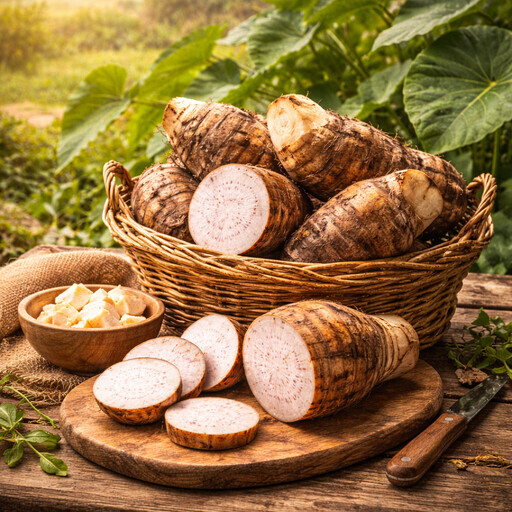
Taro
Starchy root crop grown in wet fields
David Livingstone
Scottish explorer of Africa
Mary Kingsley
British traveler and writer in West Africa
Perry Expedition
American naval mission to Japan
Roald Amundsen
Norwegian polar explorer
Francis Xavier
Missionary who traveled across Asia
Sacagawea
Guide and interpreter of a western expedition
John Franklin
British explorer of the Arctic
Ida Laura Pfeiffer
A traveler who journeyed around the world

Lewis and Clark Expedition
Exploring the land west of the Mississippi

William Clark
Leader of a famous American exploration