Julius Caesar was a Roman general, statesman, and writer who lived from 100 BCE to 44 BCE. He was born in the city of Rome and belonged to a wealthy family. Caesar became famous for leading armies and for taking part in Roman politics. His actions changed how Rome was ruled and helped bring the Roman Republic to an end. The Roman Republic was a system of government where power was shared among elected leaders, not kings.
As a young man, Caesar studied law and public speaking. He began his career in politics and slowly gained power. He later became a general, meaning a leader of soldiers. Caesar led Roman armies in many battles, especially in a long war in Gaul, a region that covered parts of modern France and nearby areas. His writings about these wars, called Commentaries on the Gallic War, describe events in clear and simple Latin and were read by many Romans.
Caesar’s success in Gaul made him very popular with soldiers and ordinary people. However, some leaders in Rome feared his growing power. The Roman Senate, a council of leading citizens, ordered Caesar to give up his army. Instead, in 49 BCE, Caesar crossed the Rubicon River with his soldiers. This act was illegal and started a civil war, which is a war between people of the same country. Caesar defeated his rivals and became the most powerful man in Rome.
After the civil war, Caesar took control of the Roman government. He was named dictator, a ruler with very strong powers, first for a short time and later for life. As dictator, he made changes to laws and the calendar. The modern calendar is partly based on the one he introduced, called the Julian calendar. Caesar also reduced debts and increased the number of people in the Senate.
Some senators believed Caesar had too much power and feared he wanted to become king. In 44 BCE, a group of senators planned to kill him. On March 15, known as the Ides of March, Caesar was attacked and stabbed to death during a Senate meeting. His death caused more fighting in Rome. In the years after, the Roman Republic ended, and Rome later became an empire ruled by emperors.
Julius Caesar
Level
readlittle.com
Roman general and political leader
What We Can Learn
- Julius Caesar lived from 100 BCE to 44 BCE
- He was a Roman general and political leader
- He led armies in Gaul and wrote about his wars
- He was killed by senators in 44 BCE
Related Reads

Irish Civil War
Conflict over Ireland’s new state

Russian Civil War
Conflict after the Russian Revolution
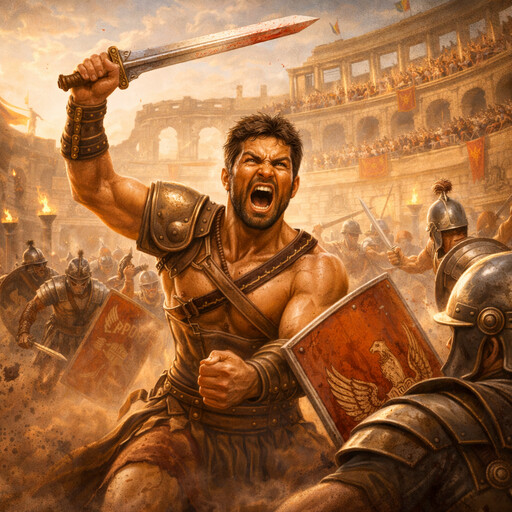
Spartacus
Leader of a slave revolt in Rome
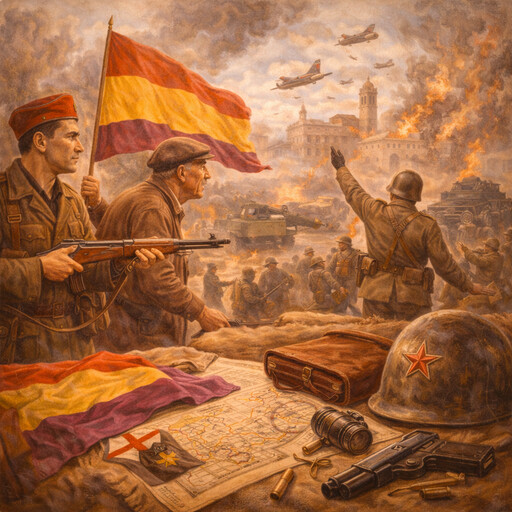
Spanish Civil War
Conflict in Spain before World War II

Charles I of England
King during civil war and execution
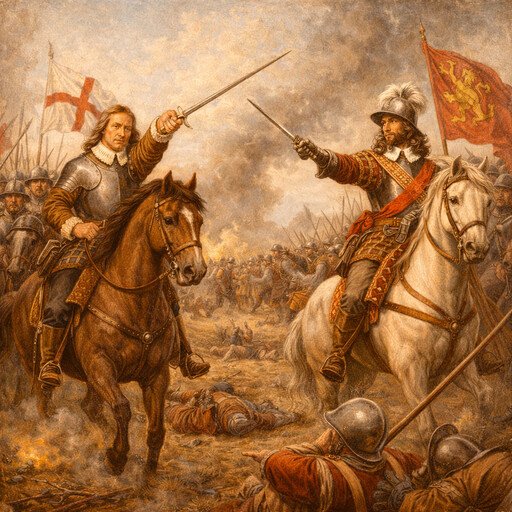
English Civil War
Conflict between king and Parliament
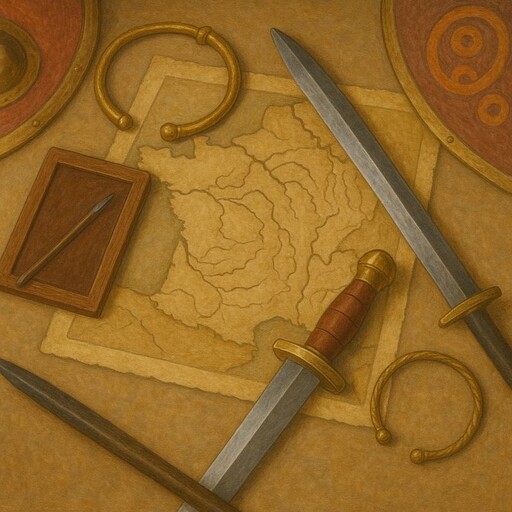
Gallic Wars
Roman wars in ancient Gaul
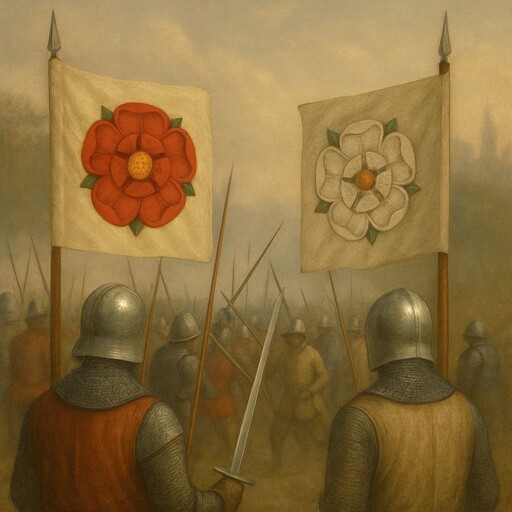
Wars of the Roses
English civil wars for the crown
Edward IV
Yorkist king of England
Magna Carta
A charter limiting a king’s power
Henry III
A long-ruling medieval English king