The Irish Civil War was a conflict in Ireland that lasted from June 1922 to May 1923. It happened soon after the Irish War of Independence. The fighting took place between Irish groups who had once worked together. They disagreed about how Ireland should be governed after independence from Britain.
The main cause of the war was the Anglo-Irish Treaty of 1921. This treaty ended the Irish War of Independence and created the Irish Free State. The new state was a self-governing country, but it remained linked to the British Crown. Some Irish leaders accepted the treaty, while others rejected it. They believed it did not give full independence.
Those who supported the treaty were called the pro-Treaty side. They formed the new Irish government and its army, called the National Army. Those who opposed the treaty were called the anti-Treaty side. Many of them were members of the Irish Republican Army (IRA). They believed the treaty betrayed the Irish Republic declared in 1919.
Fighting began in June 1922 when pro-Treaty forces attacked anti-Treaty positions in Dublin. The conflict quickly spread to other parts of the country. Unlike the earlier war, this conflict involved regular battles and heavy weapons. Cities, towns, and transport systems were damaged during the fighting.
Important leaders were involved on both sides. Michael Collins was a key pro-Treaty leader and head of the new government. He was killed in August 1922. On the anti-Treaty side, leaders included Éamon de Valera. The deaths and arrests of leaders weakened the anti-Treaty forces over time.
By 1923, the anti-Treaty side had lost much of its strength. In May 1923, they ordered their fighters to stop armed actions. The war ended without a formal peace treaty. The Irish Civil War caused deep divisions in Irish society and influenced politics in Ireland for many years.
Irish Civil War
Level
readlittle.com
Conflict over Ireland’s new state
What We Can Learn
- Took place in Ireland from 1922 to 1923.
- Caused by disagreement over the Anglo-Irish Treaty.
- Fought between pro-Treaty and anti-Treaty Irish groups.
- Ended with the anti-Treaty side stopping armed action.
Related Reads

Molotov–Ribbentrop Pact
Non-aggression agreement before World War II

Munich Agreement
1938 agreement over Czechoslovak territory
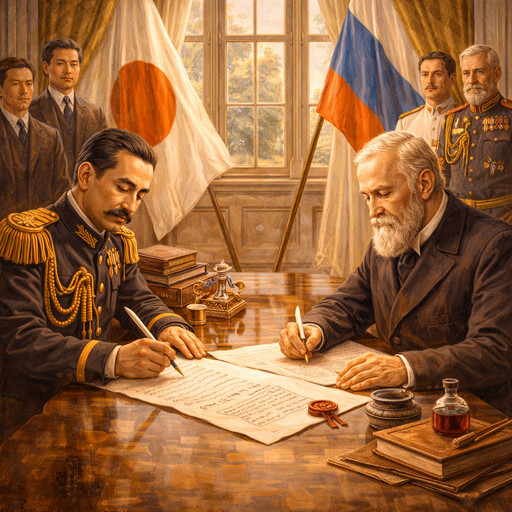
Treaty of Portsmouth
Peace agreement ending Russo-Japanese War
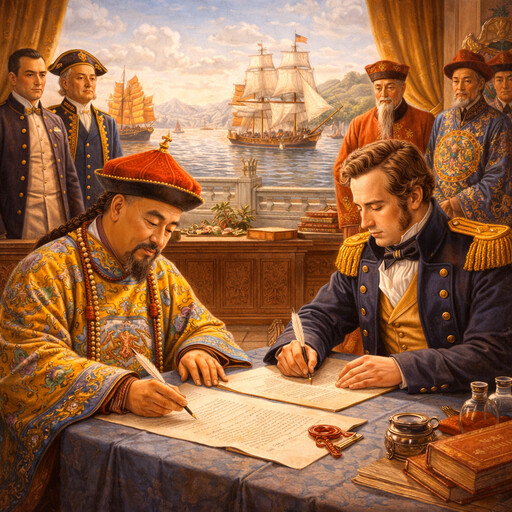
Treaty of Nanking
First unequal treaty between China and Britain
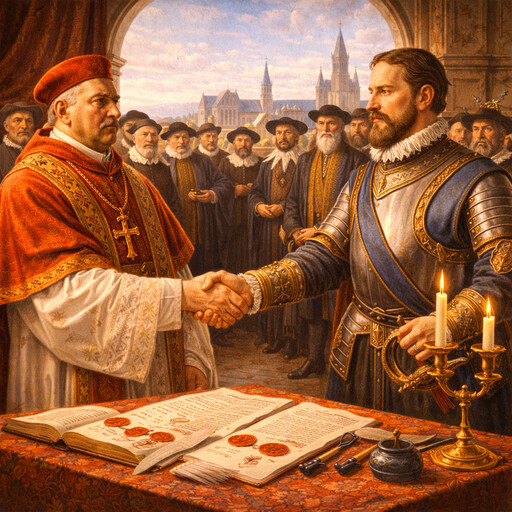
Peace of Westphalia
Treaties ending major European wars
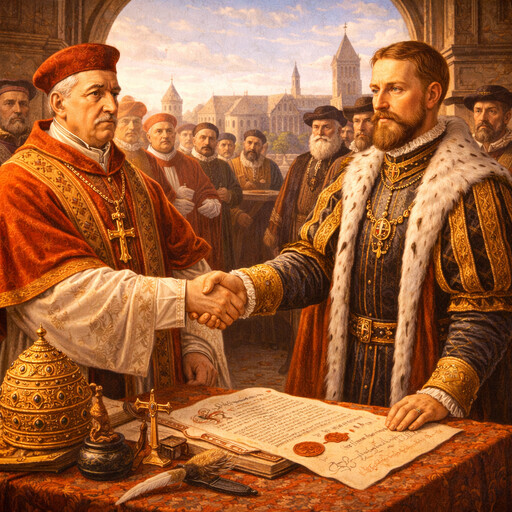
Peace of Augsburg
Religious settlement in the Holy Roman Empire
Treaty of Tordesillas
Dividing new lands between two kingdoms
Russian Civil War
Conflict after the Russian Revolution
Treaty of Versailles
Peace agreement ending World War I
Irish War of Independence
Ireland’s fight for self-rule
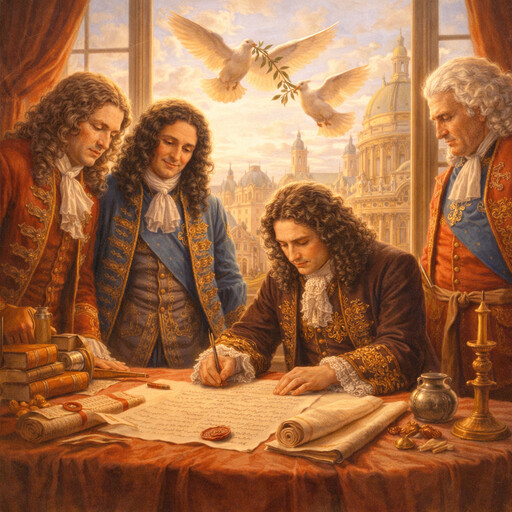
Peace of Utrecht
European treaties ending a major war
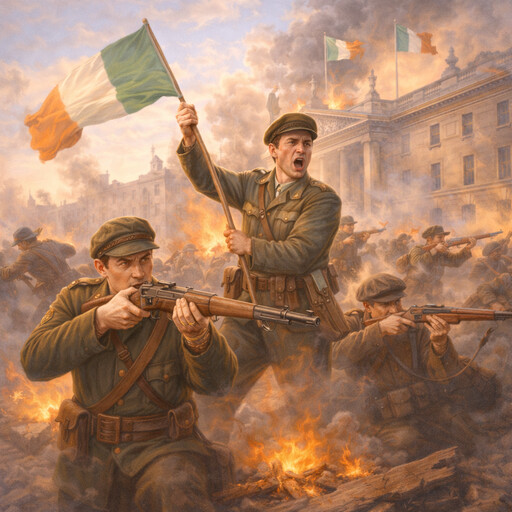
Easter Rising
Irish uprising in Dublin, 1916