The English Civil War was a series of armed conflicts that took place in England, Scotland, and Ireland during the mid-seventeenth century. A civil war is a war fought between groups within the same country. The main struggle was between King Charles I and Parliament. The fighting began in 1642 and ended in 1651. These events changed how England was governed.
Before the war, tensions grew between the king and Parliament. Charles I believed in the divine right of kings, which meant he believed his power came from God. Parliament believed it should help decide laws and taxes. Money caused many disputes. The king needed funds for government and war, but Parliament did not always agree to provide them. Religious differences also increased tension, especially over church practices.
When fighting began in 1642, the country was divided. Supporters of the king were called Royalists or Cavaliers. Supporters of Parliament were called Parliamentarians or Roundheads. Battles took place across England. Early fighting was mixed, with both sides winning and losing. Many towns and villages were affected as armies moved through the countryside.
Parliament gradually gained an advantage. A major reason was the creation of the New Model Army. This was a professional army organized and trained by Parliament. Soldiers were chosen for skill rather than social rank. One of the army’s leading commanders was Oliver Cromwell. The New Model Army defeated the king’s forces at important battles, including the Battle of Naseby in 1645.
After the defeat of the Royalists, Charles I was captured. He was later tried by a court set up by Parliament. In 1649, the king was executed. This was a historic event, as no English king had been formally tried and executed before. After the execution, England became a republic called the Commonwealth of England. The monarchy was abolished, meaning there was no king.
Fighting continued in parts of the British Isles until 1651, when Parliament’s forces won the final battles. England remained a republic for several years under the leadership of Oliver Cromwell. In 1660, the monarchy was restored, and Charles II became king. The English Civil War left lasting effects on government, showing that a king could be challenged by Parliament.
English Civil War
Level
readlittle.com
Conflict between king and Parliament
What We Can Learn
- The war lasted from 1642 to 1651
- It was fought between Royalists and Parliamentarians
- King Charles I was executed in 1649
- England became a republic for a short time
Related Reads
Edmund Burke
British statesman and political writer
Irish Civil War
Conflict over Ireland’s new state
Robert Walpole
Early leader of Britain’s government
Russian Civil War
Conflict after the Russian Revolution

David Lloyd George
British prime minister during World War I
Spanish Civil War
Conflict in Spain before World War II
Louis XIII
King of France in the early 1600s
Nine Years' War
European war from 1688 to 1697
Stuart Restoration
Return of monarchy in 1660
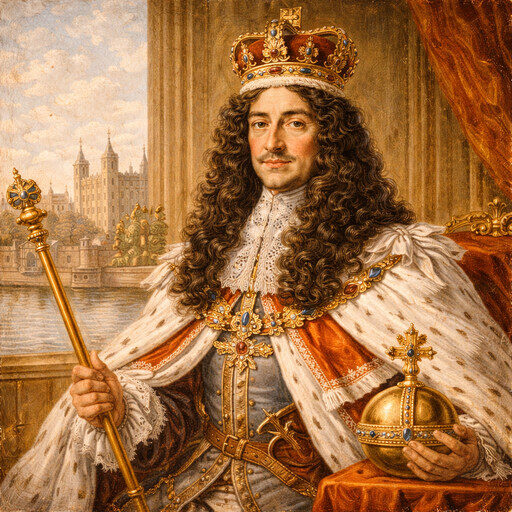
James II
King removed during political change
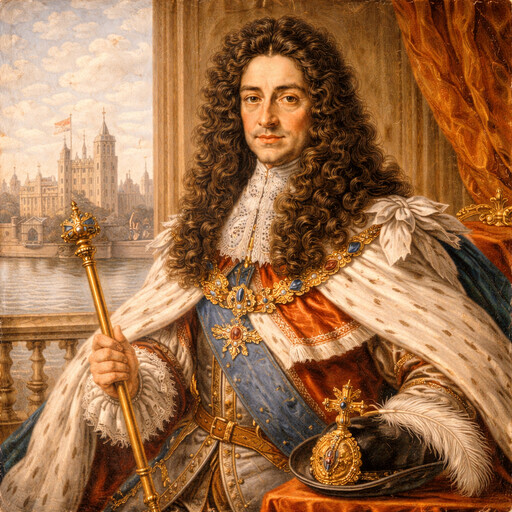
William III of England
King after the Glorious Revolution
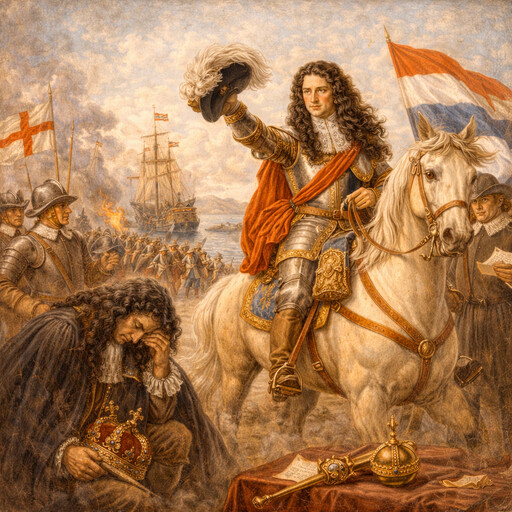
Glorious Revolution
Peaceful change of English monarchy