Henry III of England was a king who ruled from 1216 to 1272. He became king when he was only nine years old after the death of his father, King John. Because he was so young, a group of trusted nobles and church leaders helped rule the kingdom during his early years. Henry’s reign is known for its length, for rebuilding important places, and for political struggles that shaped the future of English government.
Henry was born in 1207, the eldest son of King John and Queen Isabella. When Henry became king, England was in the middle of a civil war. A civil war is a conflict between groups inside the same country. Many nobles had rebelled against King John and supported Prince Louis of France as an alternative ruler. To gain support, Henry’s advisors reissued the Magna Carta, a charter that placed limits on the king’s power. A charter is a written agreement. This helped bring peace, and by 1217 Henry was accepted as the rightful king.
During his rule, Henry worked to rebuild Westminster Abbey, a large church in London. He hoped the abbey would honor Saint Edward the Confessor, an earlier English king. A saint is a holy person recognized by the Church. Henry also spent money on art, buildings, and his royal household. These expenses sometimes caused tension with nobles, who felt the king asked for too many taxes.
As Henry grew older, disagreements between him and many nobles became sharper. Nobles were high-ranking landowners who supported the king but expected fair treatment. Some nobles disliked Henry’s close ties with foreign relatives who were given important positions. In 1258, a group of nobles forced Henry to accept the Provisions of Oxford, which limited his power and called for a council to help rule. A council is a group of people who meet to make decisions. One noble, Simon de Montfort, became a leading opponent of Henry.
Conflict grew into open fighting in 1264 during a series of battles called the Second Barons' War. A baron is a type of noble. Henry and his son Edward fought against Simon de Montfort and his supporters. At first, Henry’s side lost a major battle, and de Montfort briefly controlled the government. He even called a meeting that included townspeople as well as nobles, an early form of what later became Parliament. Parliament is a group that helps make laws for a country. In 1265, Prince Edward defeated de Montfort, restored Henry to full power, and ended the rebellion.
Henry III ruled for more than fifty years, one of the longest reigns in English history. When he died in 1272, his son became King Edward I. Henry’s reign is remembered for rebuilding important monuments, for struggles over royal power, and for early steps toward a government in which the king shared decisions with others.
Henry III
Level
readlittle.com
A long-ruling medieval English king
What We Can Learn
- Henry III became king as a child in 1216.
- His advisors reissued Magna Carta to help restore peace.
- Conflicts with nobles led to the Provisions of Oxford and later the Second Barons' War.
- His rule saw early developments toward Parliament.
Related Reads
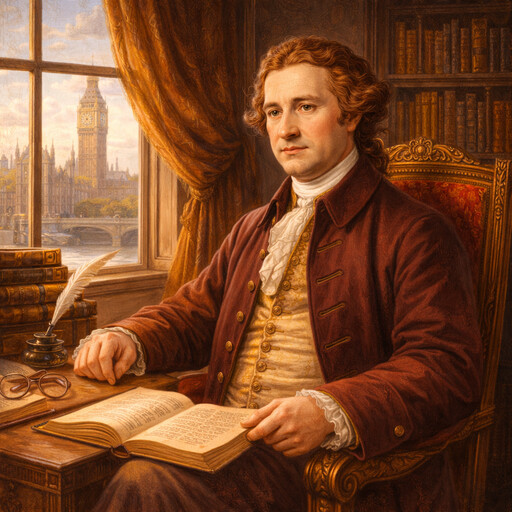
Edmund Burke
British statesman and political writer
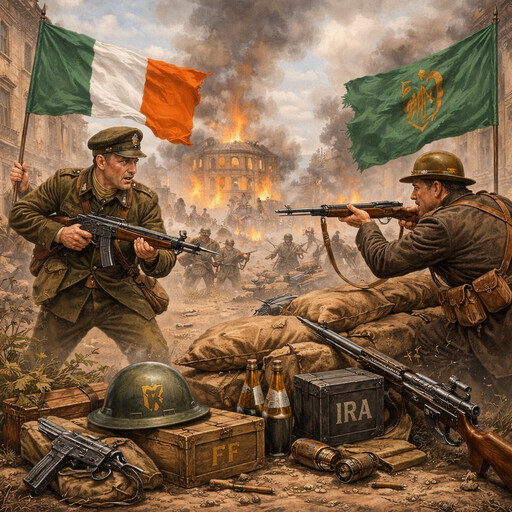
Irish Civil War
Conflict over Ireland’s new state
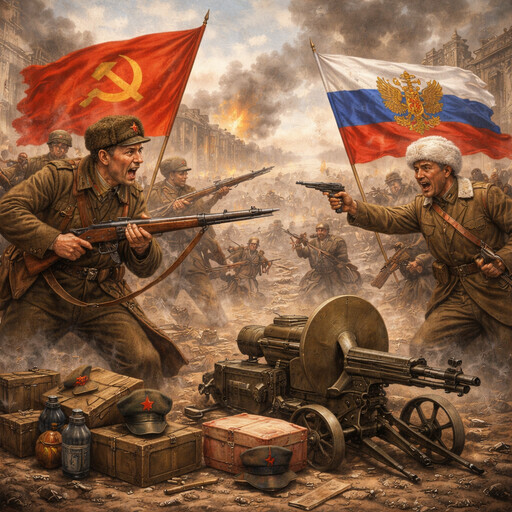
Russian Civil War
Conflict after the Russian Revolution
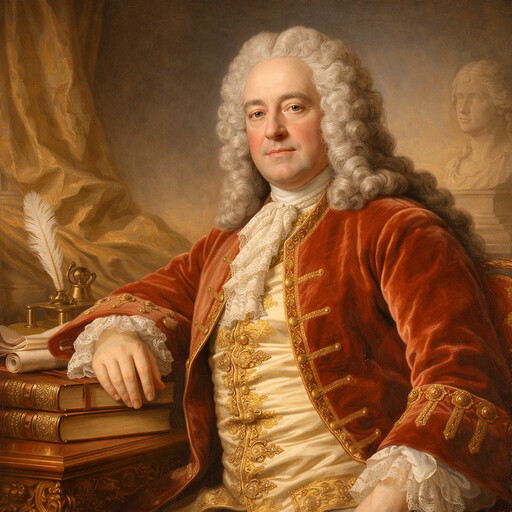
Robert Walpole
Early leader of Britain’s government

David Lloyd George
British prime minister during World War I
Spanish Civil War
Conflict in Spain before World War II
Glorious Revolution
Peaceful change of English monarchy
Anne of Great Britain
Queen during the union of Britain
George I
First king of the House of Hanover
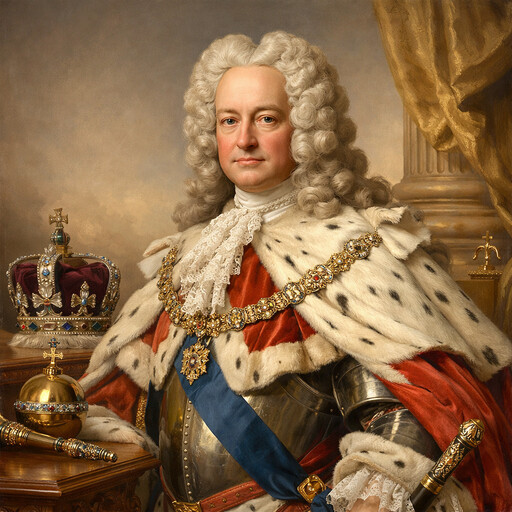
George II
Second king of the House of Hanover

Charles I of England
King during civil war and execution
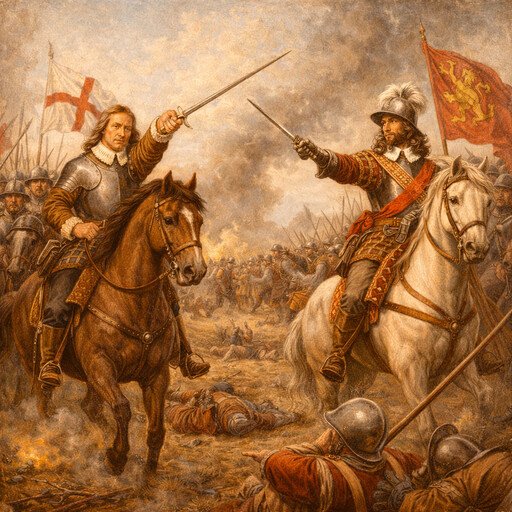
English Civil War
Conflict between king and Parliament