Charles I of England was king of England, Scotland, and Ireland from 1625 until 1649. He was the second son of James VI and I. When his older brother died, Charles became heir to the throne. His reign is remembered for serious conflicts between the king and Parliament, which led to a civil war. A civil war is a fight between groups within the same country.
Charles believed strongly in the divine right of kings. This was the idea that a king’s power came from God and should not be challenged by others. Because of this belief, Charles often disagreed with Parliament, which wanted a say in taxes and laws. Parliament is a body of elected representatives that helps govern the country. These disagreements caused growing tension during the early years of his reign.
Money was a major problem. Charles needed funds to run the government and fight wars, but Parliament did not always approve his requests. At times, Charles ruled without Parliament. This period is called the Personal Rule and lasted from 1629 to 1640. During this time, Charles used other methods to raise money, which increased opposition to his rule.
Religion also caused conflict. Charles supported the Church of England and worked closely with church leaders such as William Laud. Some people believed his policies were too close to Roman Catholic practices. Religious disputes were especially strong in Scotland, where Charles tried to impose new church rules. These actions led to unrest and forced Charles to call Parliament again for support.
In 1642, fighting broke out between supporters of the king, called Royalists, and supporters of Parliament, called Parliamentarians. This conflict is known as the English Civil War. Battles took place across England. Over time, Parliament’s forces, led by Oliver Cromwell, gained the advantage. Charles was captured, escaped, and was later captured again.
In 1649, Charles was put on trial by a court set up by Parliament. He was accused of treason against his own people. Charles was found guilty and was executed in January 1649. This was the first time an English king was formally tried and executed. After his death, England became a republic for a short period, known as the Commonwealth.
Charles I of England
Level
readlittle.com
King during civil war and execution
What We Can Learn
- Charles I ruled from 1625 to 1649
- He believed strongly in the divine right of kings
- His reign led to the English Civil War
- He was executed after being tried by Parliament
Related Reads
Edmund Burke
British statesman and political writer
Irish Civil War
Conflict over Ireland’s new state
Robert Walpole
Early leader of Britain’s government
Russian Civil War
Conflict after the Russian Revolution

David Lloyd George
British prime minister during World War I
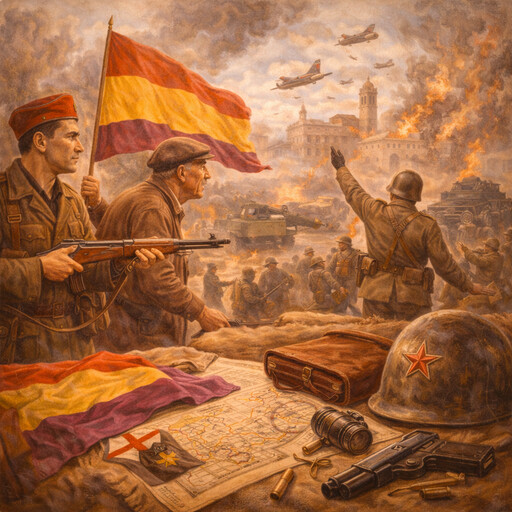
Spanish Civil War
Conflict in Spain before World War II
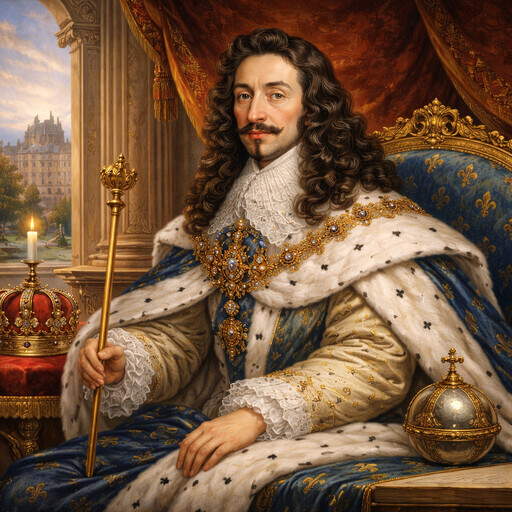
Louis XIII
King of France in the early 1600s
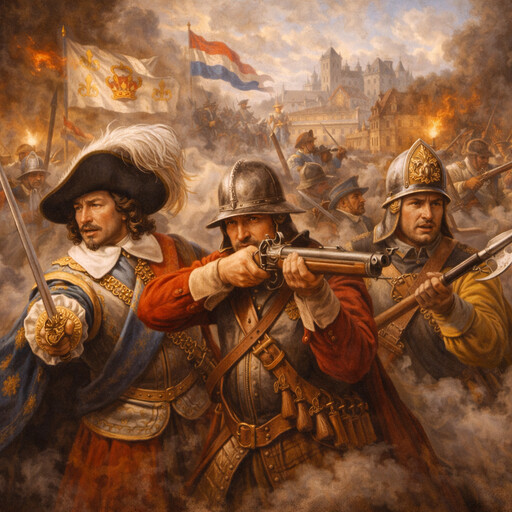
Nine Years' War
European war from 1688 to 1697
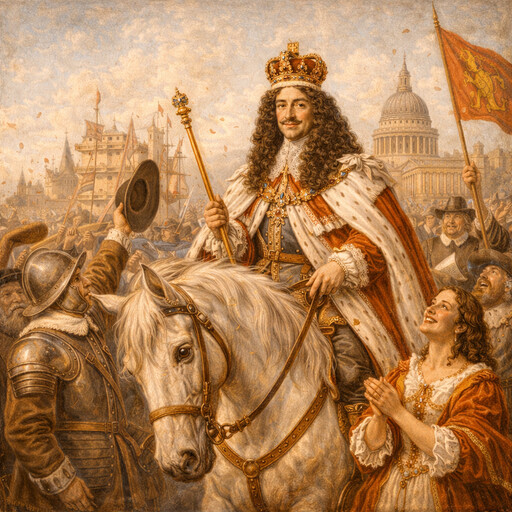
Stuart Restoration
Return of monarchy in 1660
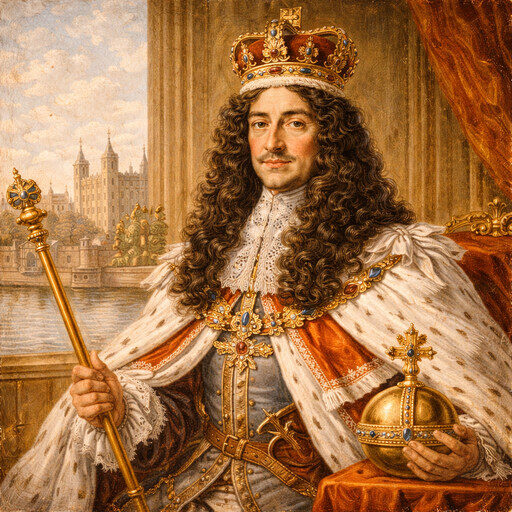
James II
King removed during political change
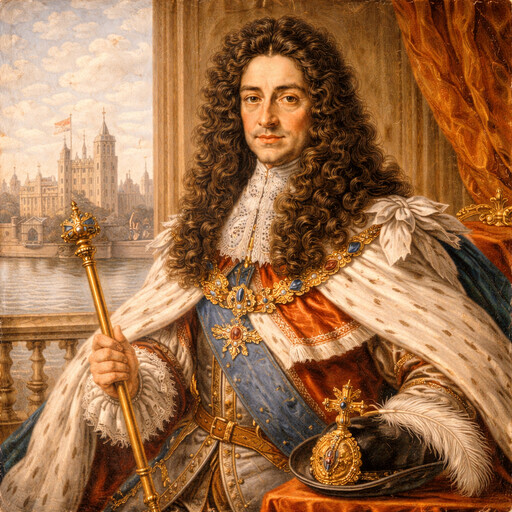
William III of England
King after the Glorious Revolution
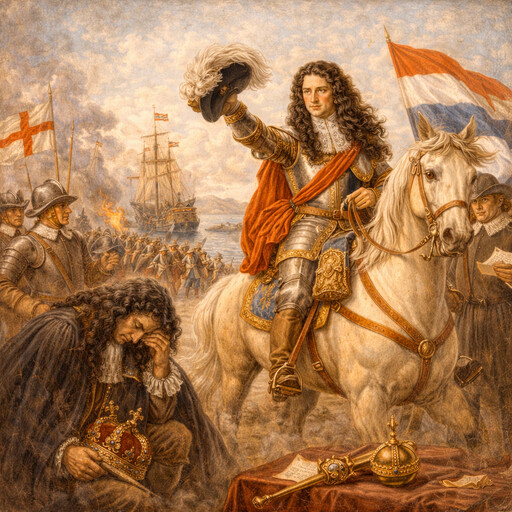
Glorious Revolution
Peaceful change of English monarchy