The Manhattan Project was a large secret project during World War II. It was organized by the United States with help from the United Kingdom and Canada. The main goal was to develop atomic weapons before Germany or other countries could do so. An atomic weapon is a device that releases energy from the nucleus of an atom. The project began in 1942 and continued until the end of the war in 1945.
The project was led by the United States Army. It was called the Manhattan Project because early offices were located in Manhattan, New York. Many parts of the work took place in hidden locations. These included Los Alamos in New Mexico, Oak Ridge in Tennessee, and Hanford in Washington state. Thousands of workers lived and worked in these places. Most of them did not know the full purpose of the project.
Many scientists worked on the Manhattan Project. One important leader was J. Robert Oppenheimer, an American physicist. A physicist is a scientist who studies matter and energy. Other well-known scientists included Enrico Fermi, Niels Bohr, and Richard Feynman. They studied how atoms could be split. This process is called nuclear fission. Nuclear fission happens when the nucleus of an atom breaks apart and releases energy.
To build an atomic weapon, the project needed special materials. Two main materials were uranium-235 and plutonium. These are forms of elements that can undergo nuclear fission. Uranium is a naturally occurring element found in the Earth. Plutonium is an element created in special machines called nuclear reactors. A nuclear reactor is a system that controls nuclear reactions to produce energy or materials.
The first successful test of an atomic device took place on July 16, 1945, in New Mexico. This test was called the Trinity test. It showed that the design worked. After this test, atomic weapons were used during the war. The Manhattan Project officially ended soon after World War II ended in 1945.
After the war, the work of the Manhattan Project influenced science and government policy. Many scientists continued research in physics and energy. The project also led to the creation of new rules about nuclear research. Its records and history are now studied to understand how large scientific projects are organized.
Manhattan Project
Level
readlittle.com
World War II atomic research program
What We Can Learn
- The Manhattan Project was a secret World War II program
- It focused on atomic research and development
- Scientists from several countries were involved
- The project ended in 1945
Related Reads

Munich Agreement
1938 agreement over Czechoslovak territory

Molotov–Ribbentrop Pact
Non-aggression agreement before World War II
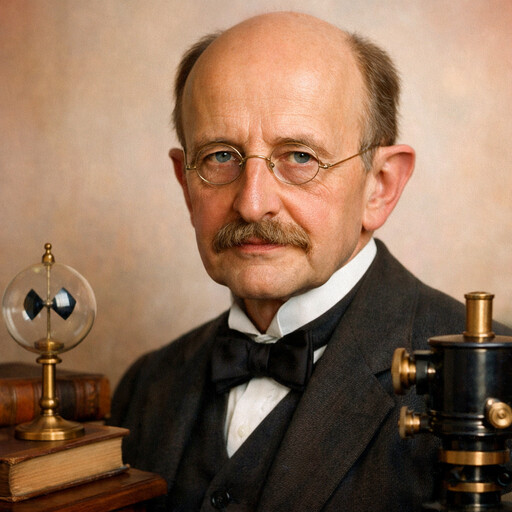
Max Planck
Founder of quantum theory
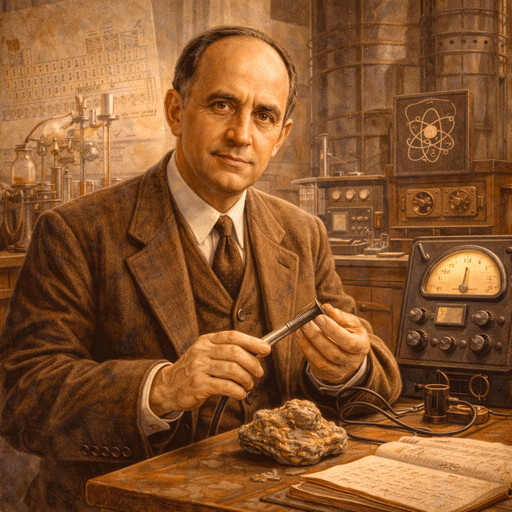
Enrico Fermi
Scientist of nuclear physics
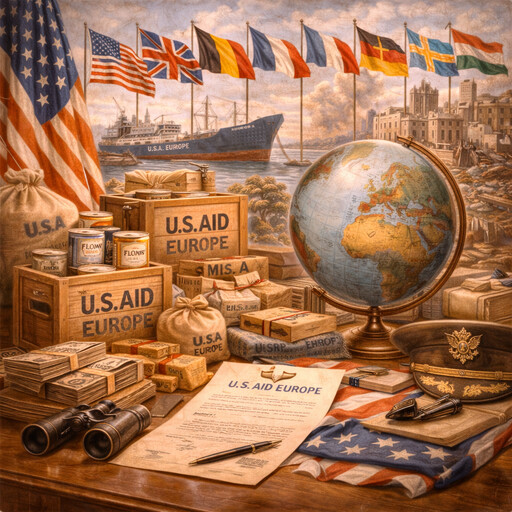
Marshall Plan
Postwar rebuilding program for Europe
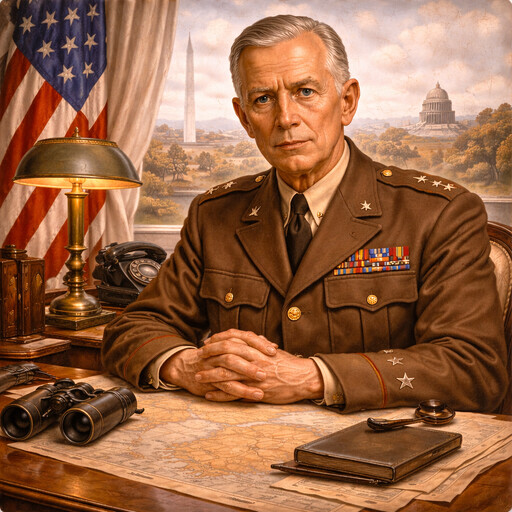
George C. Marshall
American military leader and government official
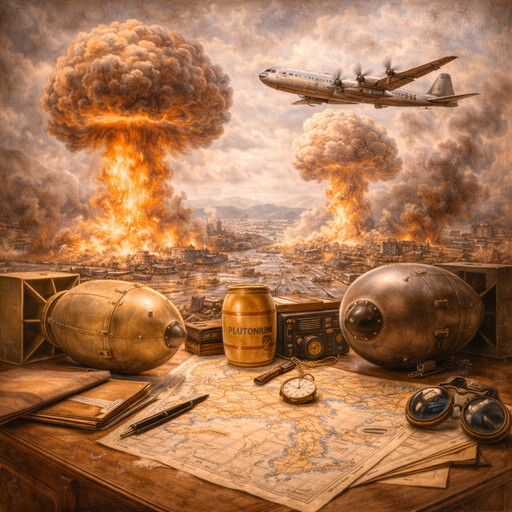
Atomic bombings of Hiroshima and Nagasaki
Nuclear attacks in Japan during World War II
Hirohito
Emperor of Japan during World War II
Charles de Gaulle
French general and president
Dwight D. Eisenhower
American general and president
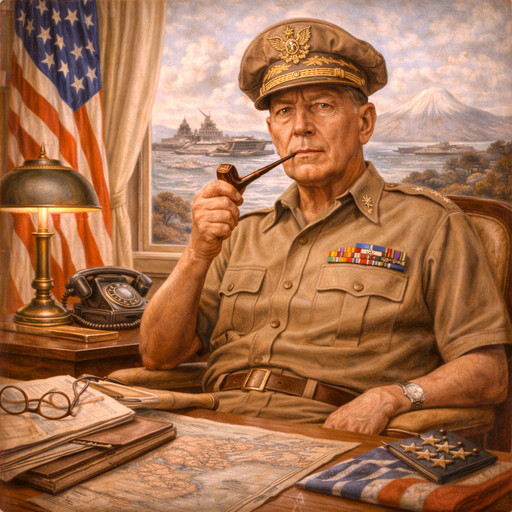
Douglas MacArthur
American general in World War II
NATO
Military alliance formed after World War II