The Munich Agreement was an international agreement signed on 30 September 1938. It involved four countries: Germany, the United Kingdom, France, and Italy. The agreement decided the future of a region called the Sudetenland, which was part of Czechoslovakia. The main idea was to give this region to Germany in order to avoid war. Czechoslovakia was not invited to the meeting and did not agree to the decision.
In the late 1930s, Europe faced rising tension. Germany was led by Adolf Hitler, who demanded control of the Sudetenland. This area had many German-speaking people. Hitler claimed that these people were treated unfairly. Czechoslovakia feared an invasion and prepared to defend itself. France and the United Kingdom were worried that a war could spread across Europe. Both countries had suffered greatly in World War I and wanted to avoid another major conflict.
The leaders who met in Munich were Adolf Hitler of Germany, Neville Chamberlain of the United Kingdom, Édouard Daladier of France, and Benito Mussolini of Italy. They discussed the demands without including representatives from Czechoslovakia. The agreement stated that Germany would take control of the Sudetenland. In return, Germany promised that it would make no more territorial demands in Europe.
After the agreement was signed, German troops entered the Sudetenland in October 1938. Czechoslovakia lost important border defenses, factories, and railways. The country became weaker and less able to protect itself. In March 1939, Germany took control of the rest of Czechoslovakia. This action showed that the promises made in Munich were not kept.
The Munich Agreement is often connected with the policy called *appeasement*. Appeasement means giving in to demands in order to avoid conflict. Leaders in Britain and France believed that meeting Germany’s demands would keep peace. Instead, Germany continued to expand. Less than a year later, Germany invaded Poland in September 1939, which began World War II in Europe.
After World War II, the Munich Agreement was widely discussed by historians and governments. It became an example of how international agreements can fail when some countries are excluded. Today, the agreement is remembered as a key event that influenced the course of European history before World War II.
Munich Agreement
Level
readlittle.com
1938 agreement over Czechoslovak territory
What We Can Learn
- The agreement was signed in September 1938
- It gave the Sudetenland to Germany
- Czechoslovakia was not included in the decision
- The agreement failed to prevent World War II
Related Reads
No image
Vienna
Capital city on the Danube River
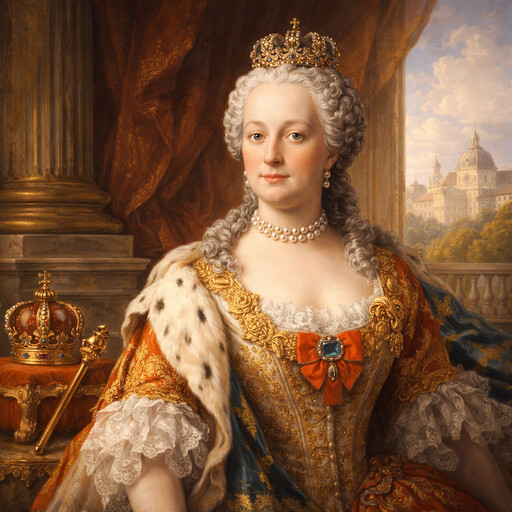
Maria Theresa
Powerful ruler of the Habsburg lands

Vilnius
Historic capital city of Lithuania

Polish–Soviet War
War over borders after World War I

Revolutions of 1848
Uprisings across Europe in 1848

Molotov–Ribbentrop Pact
Non-aggression agreement before World War II
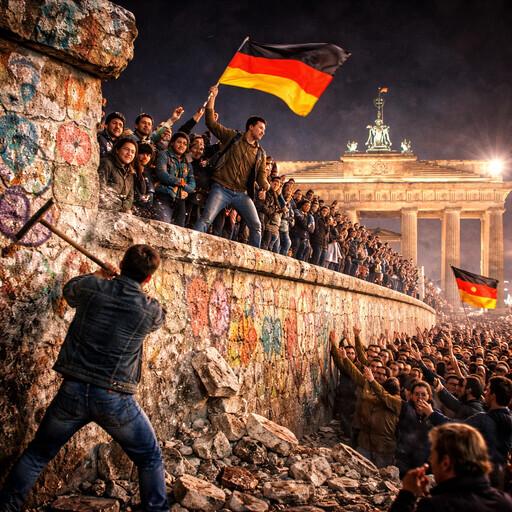
Fall of the Berlin Wall
End of Germany’s divided barrier
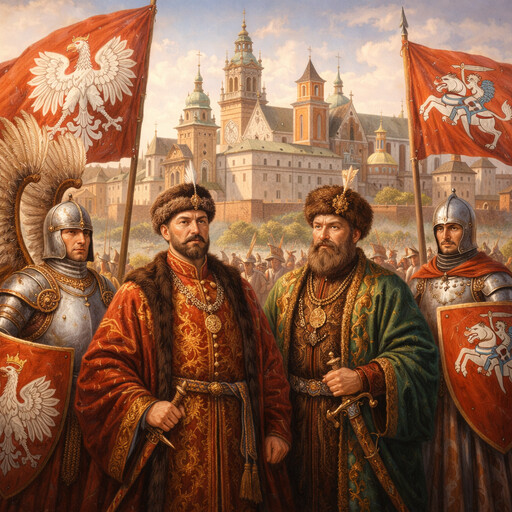
Polish–Lithuanian Commonwealth
A large early modern European state
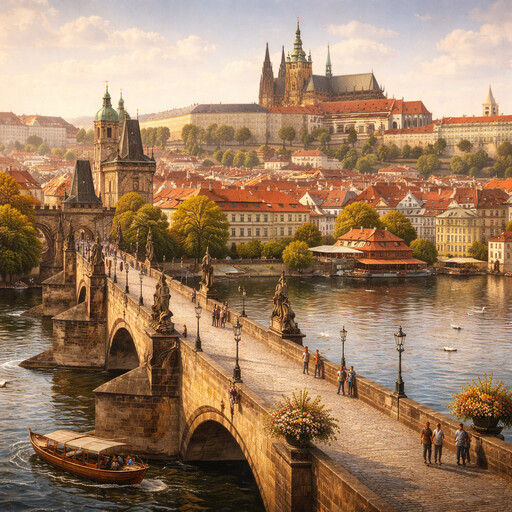
Prague
Historic capital city of the Czech Republic
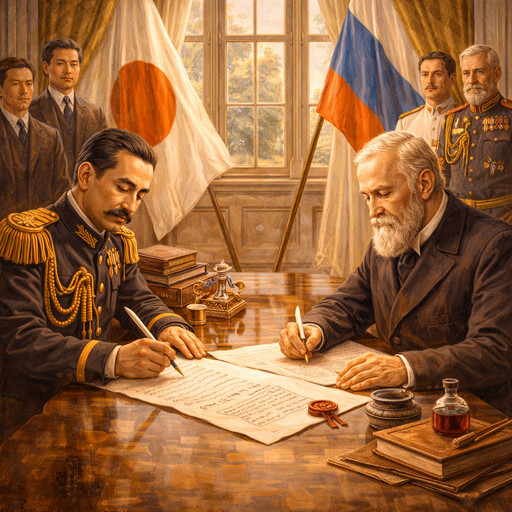
Treaty of Portsmouth
Peace agreement ending Russo-Japanese War
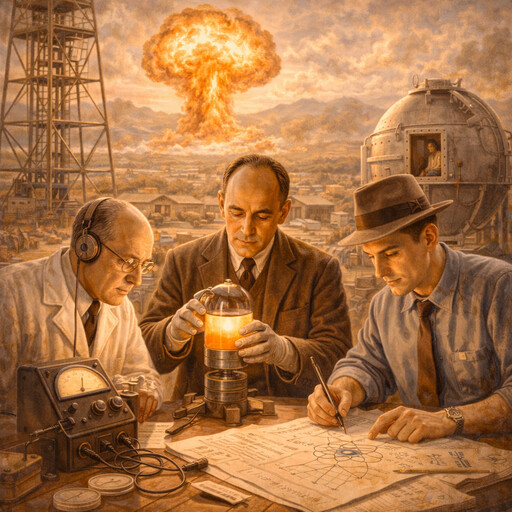
Manhattan Project
World War II atomic research program
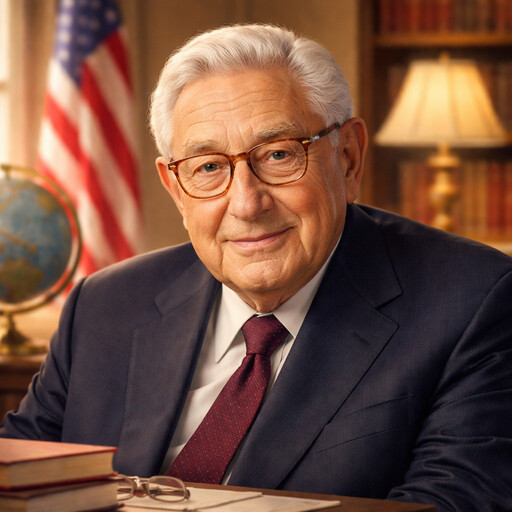
Henry Kissinger
American diplomat and foreign policy leader