The Marshall Plan was a large program created after World War II to help European countries recover from the war. The war had damaged cities, factories, farms, and transportation systems. Many people lacked food, jobs, and housing. The United States government proposed the plan to support economic recovery. The program officially began in 1948 and lasted for several years.
The plan was named after George C. Marshall, who was the United States Secretary of State at the time. A secretary of state is a top government official who manages foreign relations. George C. Marshall explained the idea in a speech in 1947. He said that rebuilding Europe was important for stability. The United States Congress later approved the plan and provided funding.
Under the Marshall Plan, the United States sent money and supplies to European countries. These supplies included food, fuel, machinery, and raw materials. Raw materials are basic items used to make other goods. Countries used the aid to repair roads, rebuild factories, and restart farming. Each country made its own recovery plans while working with the United States.
Sixteen countries in Western Europe took part in the Marshall Plan. These included the United Kingdom, France, Italy, and West Germany. West Germany was the western part of Germany after the war. Countries in Eastern Europe were invited but did not take part. The Soviet Union opposed the plan and did not allow countries under its influence to join.
The Marshall Plan operated from 1948 to 1951. During this time, the United States provided more than 12 billion dollars in aid. This was a very large amount of money at that time. The program helped increase industrial production and trade between countries. European economies began to stabilize, and daily life slowly improved.
After the Marshall Plan ended, European countries continued rebuilding on their own. The plan became an important part of early Cold War history. It showed how economic support could be used in international relations. The Marshall Plan remains a key event in the period after World War II.
Marshall Plan
Level
readlittle.com
Postwar rebuilding program for Europe
What We Can Learn
- The Marshall Plan began in 1948 after World War II
- It was proposed by George C. Marshall
- The United States provided money and supplies
- Sixteen Western European countries participated
Related Reads

Munich Agreement
1938 agreement over Czechoslovak territory

Molotov–Ribbentrop Pact
Non-aggression agreement before World War II

Fall of the Berlin Wall
End of Germany’s divided barrier
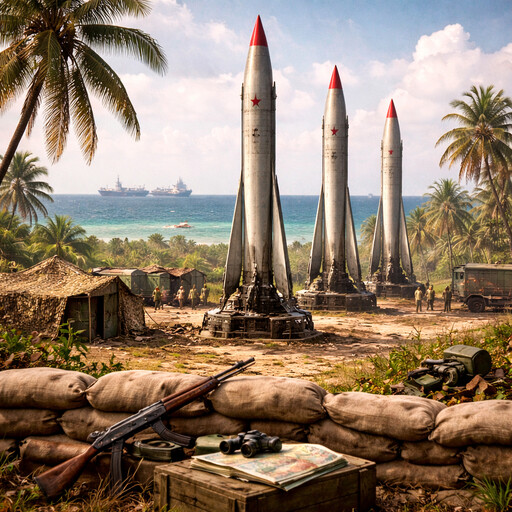
Cuban Missile Crisis
Cold War nuclear standoff in 1962
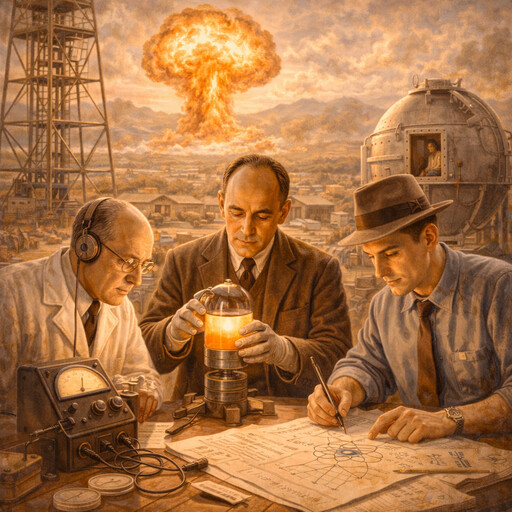
Manhattan Project
World War II atomic research program
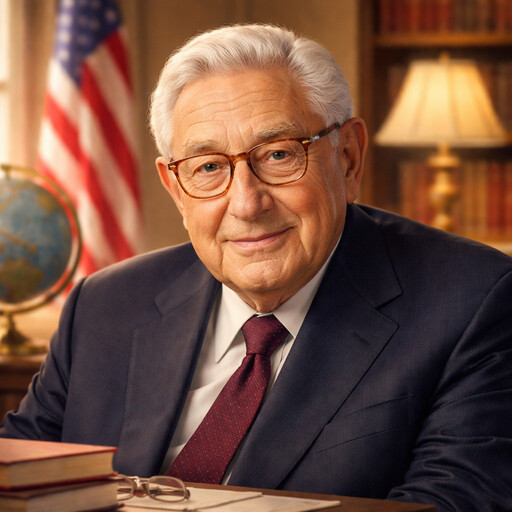
Henry Kissinger
American diplomat and foreign policy leader
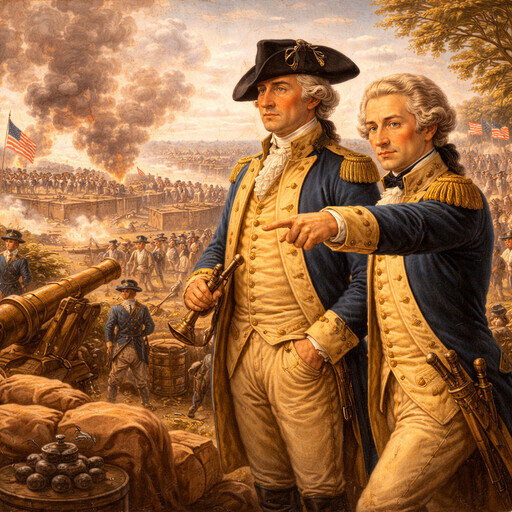
Siege of Yorktown
Final major battle of American independence
Theodore Roosevelt
Twenty-sixth president of the United States
Thomas Jefferson
Author and third U.S. president
Perry Expedition
American naval mission to Japan

Mount Rushmore
Monument with four U.S. presidents

William Clark
Leader of a famous American exploration