Germany lies at the heart of Europe, bordered by the North Sea, Baltic Sea, and the Alps, with rivers such as the Rhine, Elbe, and Danube weaving through forests, vineyards, and mineral plains. Coastal dunes meet central uplands, while the Bavarian Alps host glaciers and valleys that feed major watersheds and support year-round tourism.
The nation operates as a parliamentary federal republic with a president as head of state and a chancellor leading the government. Sixteen states, known as Länder, exercise federalism through elected legislatures and share power in the Bundesrat. Citizens elect the Bundestag, form coalition governments, and rely on courts that uphold constitutional rights.
Historical roots trace to early tribal confederations, the Holy Roman Empire, and independent principalities that encouraged universities, cathedrals, and merchant guilds. Unification in 1871 created a modern state, while the 20th century saw world wars, division into East and West Germany, and the peaceful reunification of 1990 that rebuilt democratic institutions across the country.
Germany's economy blends automotive engineering, precision manufacturing, chemicals, and renewable technology with regional agriculture from dairy farms to hop fields. The Autobahn network, Rhine ports, and digital corridors connect exporters to global markets, supported by a strong apprenticeship system and research institutes. Energy policy emphasizes wind, solar, and innovation to replace fossil fuels.
Cultural life ranges from Johann Sebastian Bach and Ludwig van Beethoven to contemporary design, film, and club scenes. Cities host philharmonic orchestras, museums, and book fairs, while forests, castles, and festivals such as Oktoberfest draw visitors. Germany participates actively in the European Union, NATO, and United Nations, promoting cooperation on climate, security, and humanitarian aid.
Germany
Level
readlittle.com
Federal nation of innovation and forests
What We Can Learn
- Germany combines rivers, forests, and Alps within a central European landscape.
- Federal institutions share power between Länder, the Bundestag, and the chancellor.
- History includes unification, division, and reunification that shape identity.
- Engineering, renewable energy, and cultural exports sustain a strong economy.
Related Reads
No image
Monarchy
Government ruled by a royal family

Johann Gottfried Herder
German thinker of culture and language
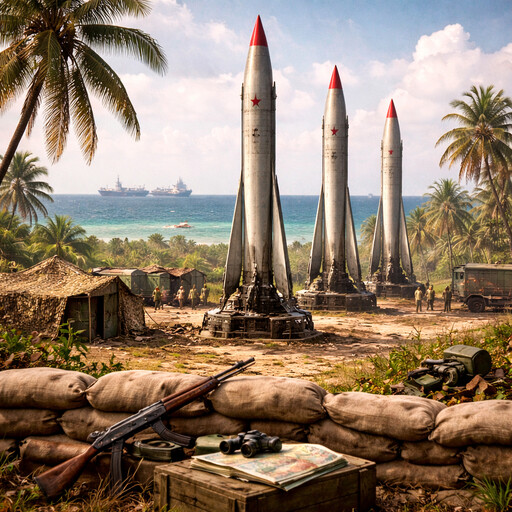
Cuban Missile Crisis
Cold War nuclear standoff in 1962
Henry Kissinger
American diplomat and foreign policy leader
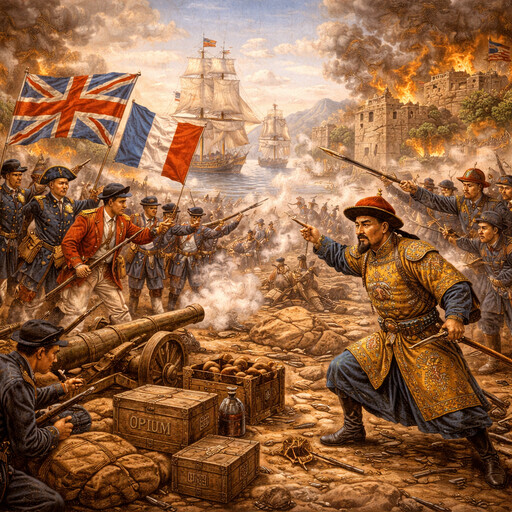
Second Opium War
Renewed conflict between China and Western powers
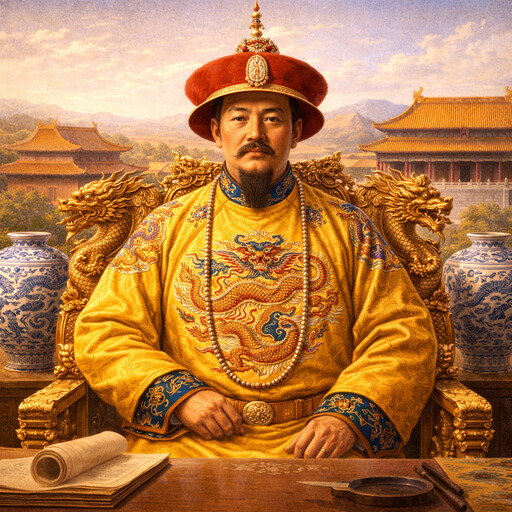
Ming dynasty
Chinese dynasty from 1368 to 1644
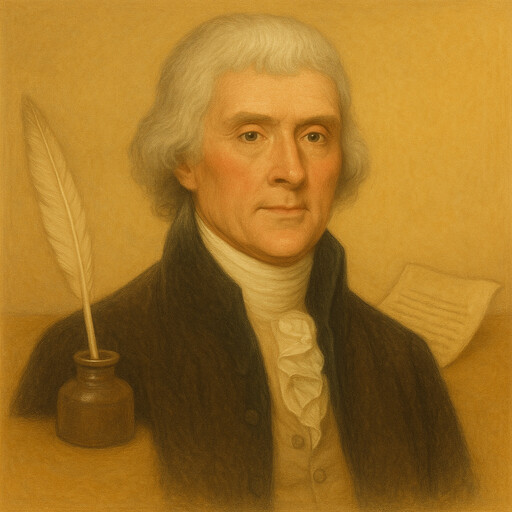
Thomas Jefferson
Author and third U.S. president
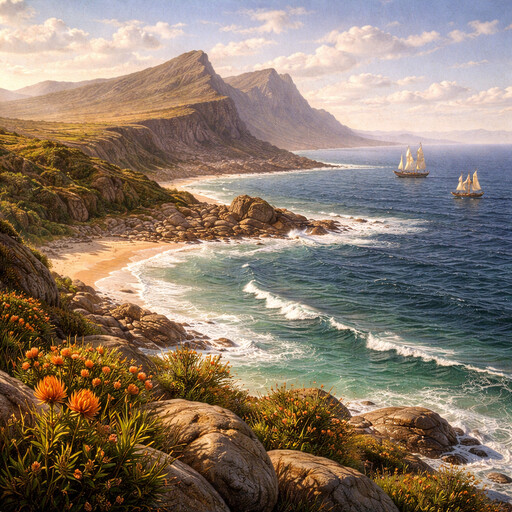
Cape of Good Hope
Southern headland of Africa
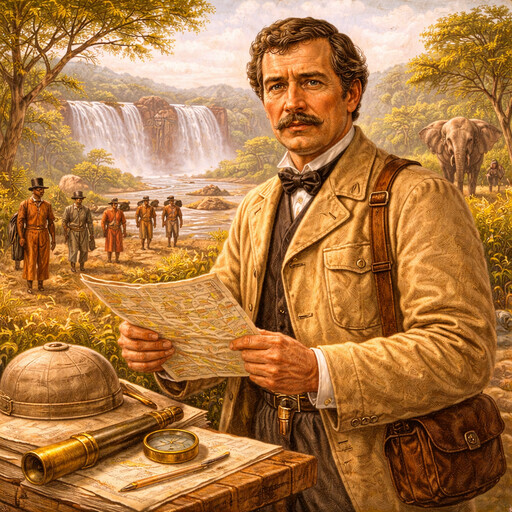
David Livingstone
Scottish explorer of Africa
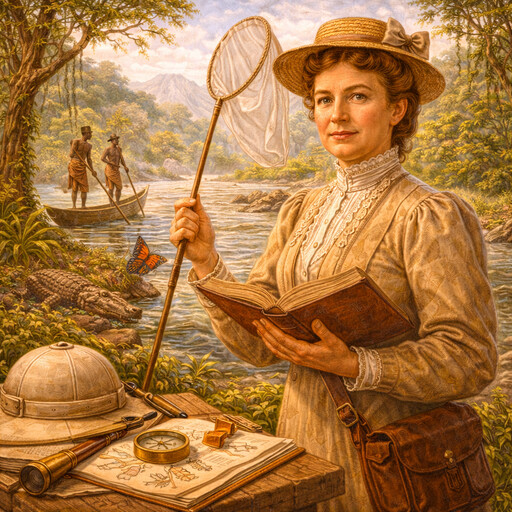
Mary Kingsley
British traveler and writer in West Africa
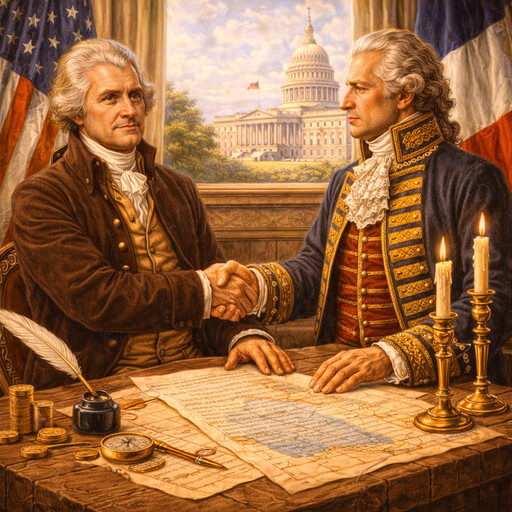
Louisiana Purchase
A land deal that doubled the United States

Lewis and Clark Expedition
Exploring the land west of the Mississippi