The Molotov–Ribbentrop Pact was a political agreement signed on 23 August 1939. It was made between two powerful states in Europe at that time: Nazi Germany and the Soviet Union. The pact is named after the foreign ministers who signed it, Vyacheslav Molotov of the Soviet Union and Joachim von Ribbentrop of Germany. The main idea of the pact was a promise that the two countries would not fight each other. This type of agreement is called a *non-aggression pact*, which means a formal promise not to attack.
In the late 1930s, Europe was tense and unstable. Germany, led by Adolf Hitler, had already taken control of several areas without fighting a large war. The Soviet Union, led by Joseph Stalin, was also concerned about its borders and security. Both governments wanted time to prepare for possible future conflicts. By signing the pact, Germany avoided fighting a war on two fronts at the same time. The Soviet Union gained time to strengthen its military and defenses.
A key part of the Molotov–Ribbentrop Pact was a *secret protocol*. A protocol is an additional part of an agreement. This secret part divided parts of Eastern Europe into areas of influence. Areas such as Poland, the Baltic states (Estonia, Latvia, and Lithuania), and parts of Romania were included. The agreement stated which country would control which areas if changes happened. At the time, this information was not shared with the public.
Only days after the pact was signed, Germany invaded Poland on 1 September 1939. This action marked the beginning of World War II in Europe. On 17 September 1939, Soviet forces entered eastern Poland. Poland was divided between Germany and the Soviet Union according to the secret protocol. Later, the Soviet Union also took control of the Baltic states and parts of Finland and Romania, following the areas listed in the agreement.
The pact lasted less than two years. On 22 June 1941, Germany broke the agreement and invaded the Soviet Union. This invasion was called *Operation Barbarossa*. From that point on, Germany and the Soviet Union were enemies in a very large and violent war. The non-aggression promise was no longer followed, and the pact effectively ended.
After World War II, the Molotov–Ribbentrop Pact became an important topic in historical studies. For many years, the Soviet government denied the existence of the secret protocol. In the late 1980s, official documents were released that confirmed it. Today, the pact is remembered as a major political agreement that influenced the early events of World War II and the borders of Eastern Europe.
Molotov–Ribbentrop Pact
Level
readlittle.com
Non-aggression agreement before World War II
What We Can Learn
- The pact was signed in August 1939
- It was an agreement between Germany and the Soviet Union
- It included a secret plan to divide Eastern Europe
- The pact ended when Germany invaded the Soviet Union
Related Reads
No image
Vienna
Capital city on the Danube River
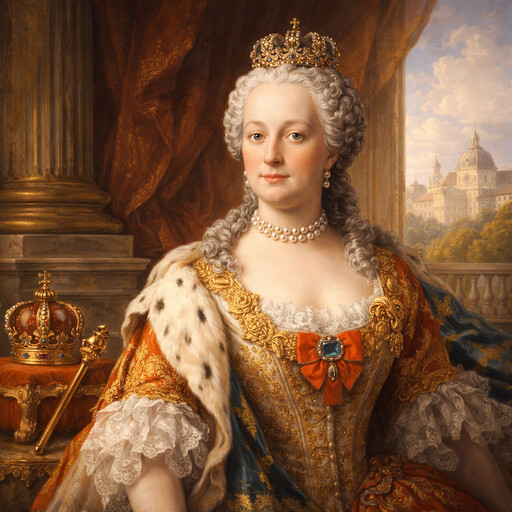
Maria Theresa
Powerful ruler of the Habsburg lands

Vilnius
Historic capital city of Lithuania

Polish–Soviet War
War over borders after World War I

Revolutions of 1848
Uprisings across Europe in 1848

Munich Agreement
1938 agreement over Czechoslovak territory

Fall of the Berlin Wall
End of Germany’s divided barrier
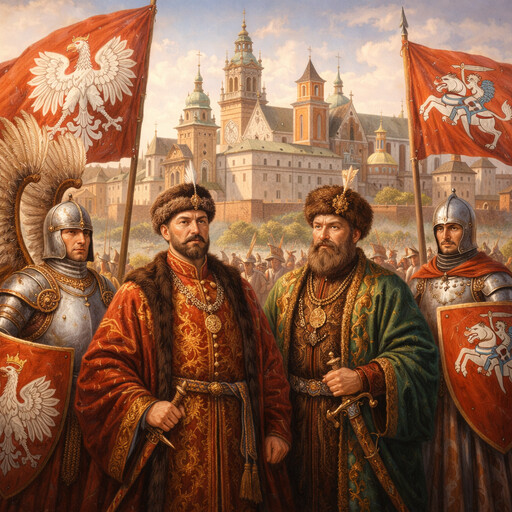
Polish–Lithuanian Commonwealth
A large early modern European state
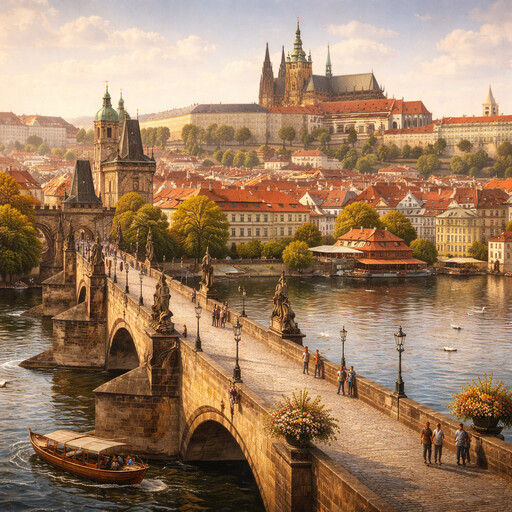
Prague
Historic capital city of the Czech Republic
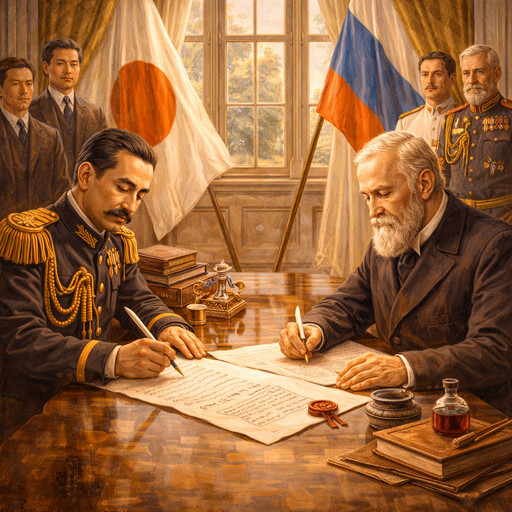
Treaty of Portsmouth
Peace agreement ending Russo-Japanese War
Manhattan Project
World War II atomic research program
Henry Kissinger
American diplomat and foreign policy leader