Bangladesh lies on the Bay of Bengal, bordered by India and Myanmar. The Ganges (Padma), Brahmaputra (Jamuna), and Meghna Rivers weave across the low delta, creating wetlands, rice paddies, and the Sundarbans mangrove forest where Bengal tigers live. Cyclones sweep inland from the ocean, yet dry winters allow farmers to harvest rice, jute, and vegetables. Dhaka, the capital, is a vibrant megacity filled with rickshaws, garment factories, and historic mosques.
Bangladesh is a parliamentary democracy. Citizens elect members of the Jatiya Sangsad, and a president serves as head of state while a prime minister leads the cabinet. Sixty-four districts manage schools, health clinics, and cyclone shelters, and volunteers broadcast storm warnings through radio, text messages, and community loudspeakers.
History includes ancient Bengal kingdoms, Mughal forts, British colonial rule, and Partition in 1947, which created East Pakistan. The Language Movement of 1952 defended the Bangla language, and the Bangladesh Liberation War in 1971 led to independence. The country joined the United Nations in 1974 and now contributes peacekeepers to missions around the world.
The economy relies on agriculture, ready-made garment exports, remittances from overseas workers, and a growing technology sector. Garment factories employ millions of women sewing clothing for global brands, while rice mills, shrimp ponds, and tea estates support rural families. Solar home systems, river ferries, and new metro lines in Dhaka show how innovation helps manage dense neighborhoods.
Culture blends Bengali literature, music, and festivals such as Pahela Baishakh (Bengali New Year), Durga Puja, and Eid. Families enjoy rice, lentils called dal, hilsa fish curry, pithas (rice cakes), and desserts like rasgulla or mishti doi. Folk crafts include nakshi kantha embroidered quilts and traditional boat races, and cricket matches fill stadiums with cheering fans.
Bangladesh
Level
readlittle.com
River deltas and resilient cities
What We Can Learn
- Bangladesh covers the world's largest river delta with fertile yet flood-prone land.
- A parliamentary democracy coordinates cyclone preparedness and development.
- History spans colonial rule, the Language Movement, and the 1971 Liberation War.
- Garments, farming, remittances, and cultural festivals support communities.
Related Reads

Johann Gottfried Herder
German thinker of culture and language
No image
Monarchy
Government ruled by a royal family
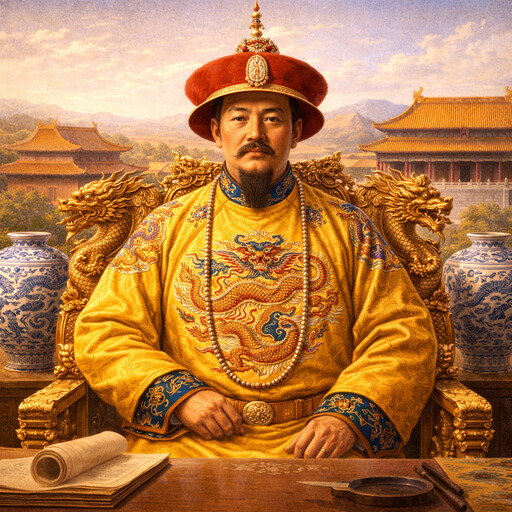
Ming dynasty
Chinese dynasty from 1368 to 1644
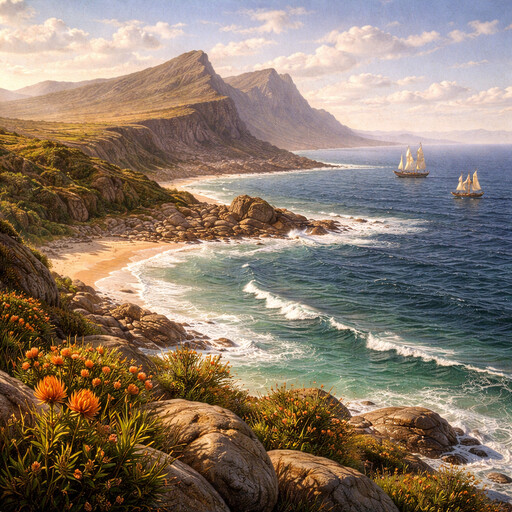
Cape of Good Hope
Southern headland of Africa
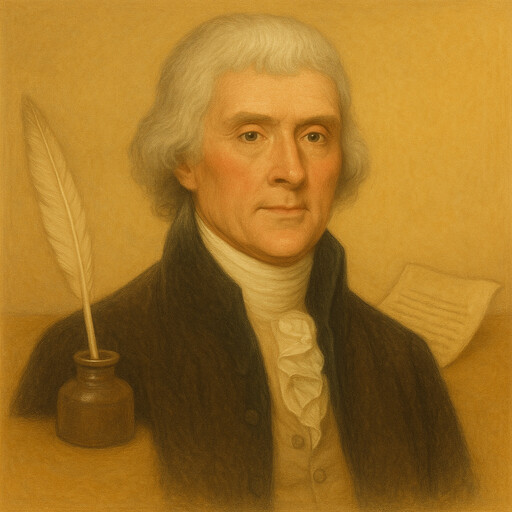
Thomas Jefferson
Author and third U.S. president
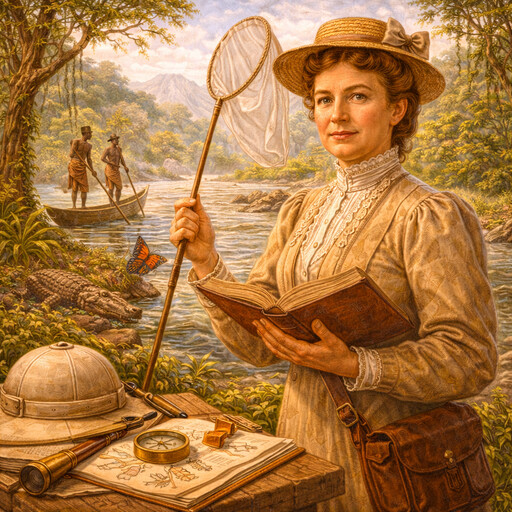
Mary Kingsley
British traveler and writer in West Africa
David Livingstone
Scottish explorer of Africa
Northwest Passage
A sea route through Arctic waters
Alexander von Humboldt
Explorer of nature and the natural world
Louisiana Purchase
A land deal that doubled the United States

Lewis and Clark Expedition
Exploring the land west of the Mississippi
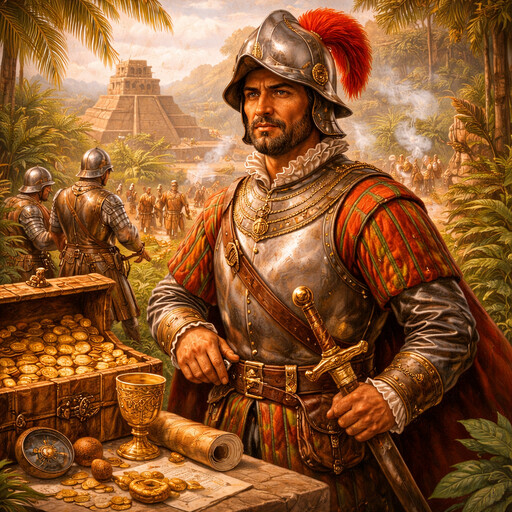
Conquistador
Spanish explorers and soldiers of empire