Genghis Khan was the founder of the Mongol Empire, one of the largest land empires in history. He was born around 1162 and was named Temujin. He grew up on the open grasslands of Central Asia, an area called the steppe, which is a wide region of flat land with few trees. During his early life, his family faced hardship and danger. These experiences shaped his rise as a strong leader who brought many groups together.
As a young man, Temujin worked to unite the Mongol tribes. Tribes are groups of families that share customs and leaders. At the time, the Mongols were divided and often fought each other. Temujin formed alliances and defeated rivals. In 1206, a meeting of Mongol leaders declared him Genghis Khan, which means "universal ruler." From this point, he led the Mongols as one people.
Genghis Khan organized his army in new ways. He chose leaders based on skill rather than family ties. The Mongol army used horses, bows, and fast movement. Soldiers could travel long distances quickly. These methods helped the Mongols win battles against larger armies. The empire expanded across Central Asia, northern China, and parts of the Middle East.
The Mongol Empire included many different cultures and languages. Genghis Khan set rules called laws to manage the empire. One set of rules was known as the Yassa. These laws helped keep order among soldiers and civilians. He allowed people to practice their own religions. Trade routes were protected, which allowed goods, messages, and travelers to move across long distances.
Genghis Khan died in 1227 during a military campaign. After his death, his sons and grandsons continued to rule and expand the empire. His grandson Kublai Khan later ruled China and founded the Yuan dynasty. Over time, the empire split into smaller parts, but it remained powerful for many years.
Genghis Khan left behind records, cities, and trade connections that linked distant regions. His leadership changed political borders and connected parts of the world that had little contact before. The Mongol Empire influenced the history of Asia and Europe through conquest, rule, and communication.
Genghis Khan
Level
readlittle.com
Founder of the Mongol Empire
What We Can Learn
- Genghis Khan united the Mongol tribes.
- He founded the Mongol Empire in 1206.
- The Mongol army used speed and organization.
- The empire connected many regions across Asia.
Related Reads

Peter the Great
Russian ruler who reshaped his country
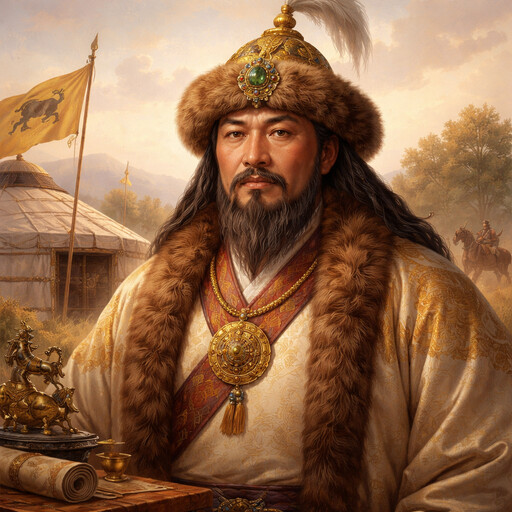
Ögedei Khan
Second ruler of the Mongol Empire
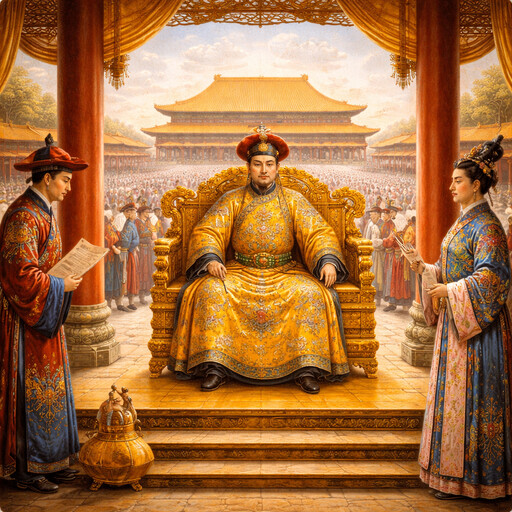
Qing dynasty
Last imperial dynasty of China
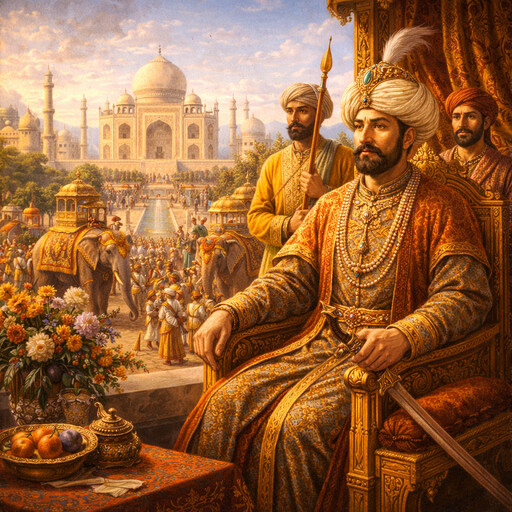
Mughal Empire
Powerful empire in South Asia
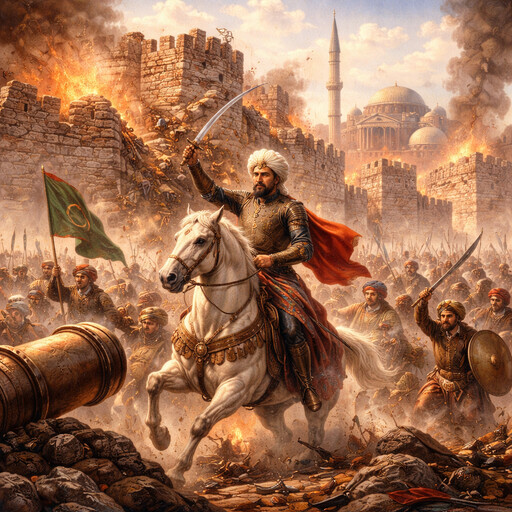
Fall of Constantinople
Ottoman capture of Constantinople in 1453
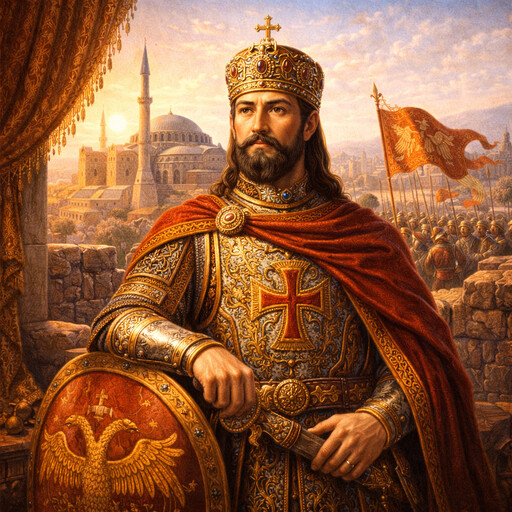
Constantine XI Palaiologos
Last emperor of the Byzantine Empire
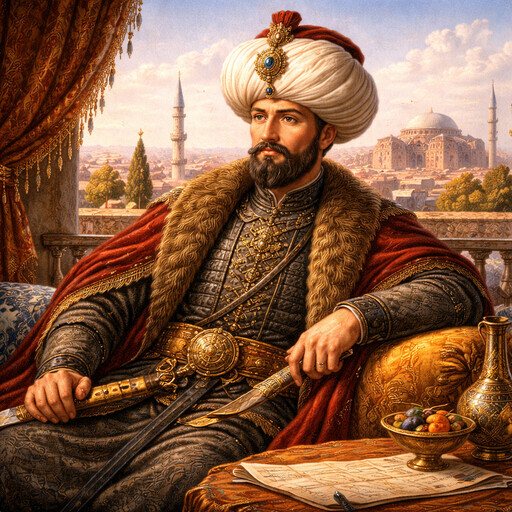
Mehmed II
Ottoman sultan who captured Constantinople
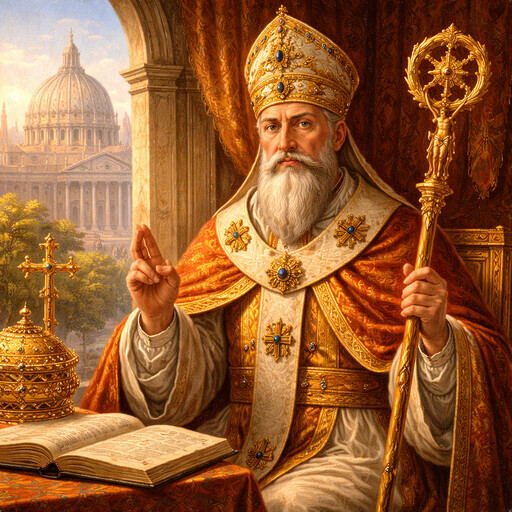
Pope Gregory VII
Medieval pope and church reformer
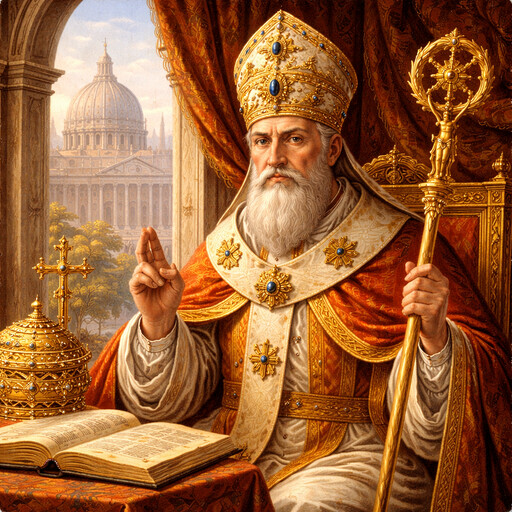
Pope Boniface VIII
Medieval pope and royal conflict
Ibn Battuta
Great traveler of the medieval world
Aztecs
A powerful civilization of ancient Mexico
Alexander the Great
King and conqueror of the ancient world