Constantine XI Palaiologos was the last emperor of the Byzantine Empire. He ruled from 1449 until his death in 1453. His reign ended when the city of Constantinople was captured by the Ottoman Empire. Constantine XI is remembered as the final ruler of an empire that had existed for more than one thousand years. The Byzantine Empire was the eastern continuation of the Roman Empire. By the time Constantine became emperor, the empire was very small and faced many dangers. His rule is closely linked with the final siege of Constantinople.
Constantine XI was born on 8 February 1405. He was a member of the Palaiologos family, which had ruled the Byzantine Empire for many generations. His father was Emperor Manuel II Palaiologos. Constantine had several brothers, some of whom also became emperors. Before becoming emperor, Constantine served as a ruler in the Peloponnese, a region in southern Greece. This region was known as the Despotate of the Morea. A despotate was a territory ruled by a prince or governor. Constantine gained experience in military defense and local government during this time.
In 1449, Constantine became emperor after the death of his brother John VIII Palaiologos. He was crowned in the city of Mystras instead of Constantinople, which showed how limited the empire had become. When Constantine took the throne, the Byzantine Empire controlled little more than Constantinople and nearby lands. The city itself was strong in history but weak in resources. The population was smaller than in earlier centuries, and the army was limited. Constantine worked to strengthen the city’s defenses and sought help from Western European states.
Constantine XI faced the growing power of the Ottoman Empire. The Ottomans were ruled by Sultan Mehmed II, who wanted to capture Constantinople and make it his capital. Constantine knew the city was in danger. He ordered repairs to the famous city walls and prepared for a siege. A siege is a military action in which an army surrounds a city to cut off supplies and force surrender. Constantine gathered Byzantine soldiers and accepted help from foreign volunteers, including fighters from Italy. Despite these efforts, the defenders were far fewer than the attackers.
The siege of Constantinople began in April 1453. Ottoman forces attacked the city by land and sea. They used large cannons that could break stone walls. Inside the city, Constantine XI took part in the defense. He visited the walls, encouraged soldiers, and helped organize resistance. As the siege continued, food and supplies ran low. On 29 May 1453, the Ottomans launched a final attack. During the fighting, the city defenses were broken. Constantine XI died in battle. His exact death is not fully recorded, but he is believed to have fought alongside his soldiers until the end.
After Constantine XI died, Constantinople fell to the Ottomans. This marked the end of the Byzantine Empire. The city later became the capital of the Ottoman Empire and was known as Istanbul. Constantine XI became a symbol of the empire’s final days. Later stories and legends grew around his death, but historical records focus on his role as a defending emperor. He is remembered as the last Byzantine ruler, whose life ended with the fall of his capital and the close of a long chapter in Mediterranean history.
Constantine XI Palaiologos
Level
readlittle.com
Last emperor of the Byzantine Empire
What We Can Learn
- Constantine XI was the last Byzantine emperor
- He ruled from 1449 to 1453
- He defended Constantinople during its final siege
- He died during the fall of the city
Related Reads
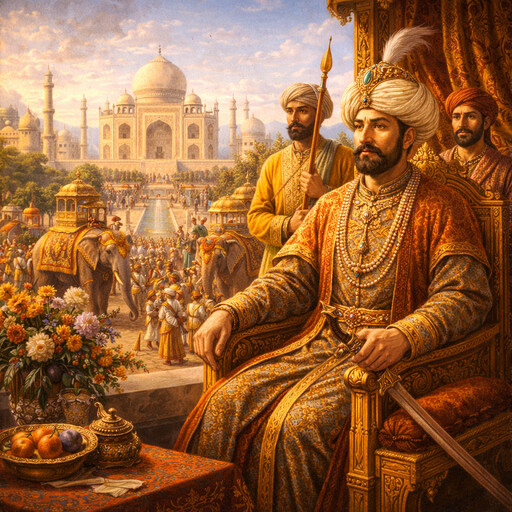
Mughal Empire
Powerful empire in South Asia
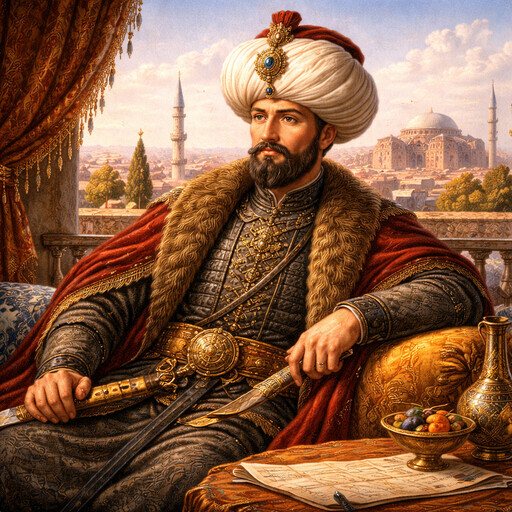
Mehmed II
Ottoman sultan who captured Constantinople
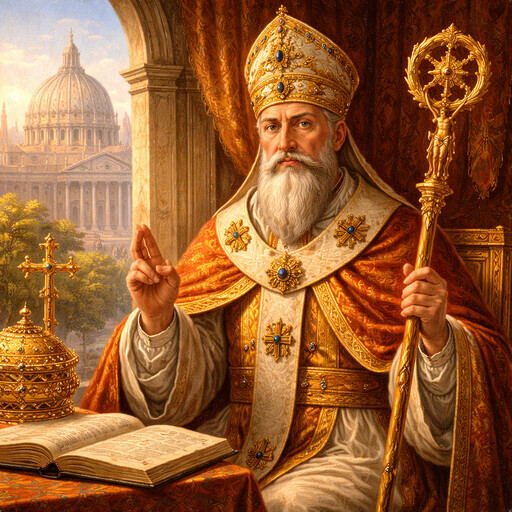
Pope Gregory VII
Medieval pope and church reformer
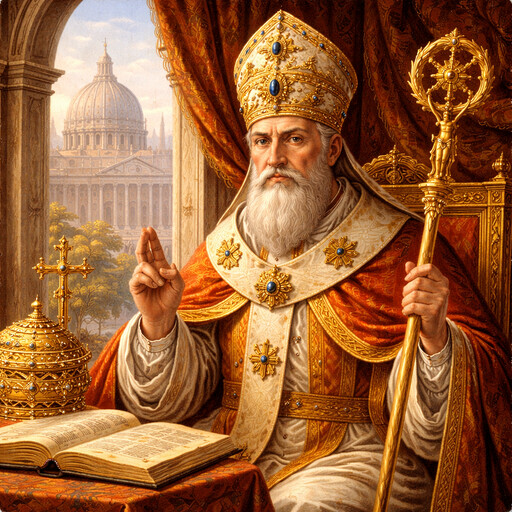
Pope Boniface VIII
Medieval pope and royal conflict
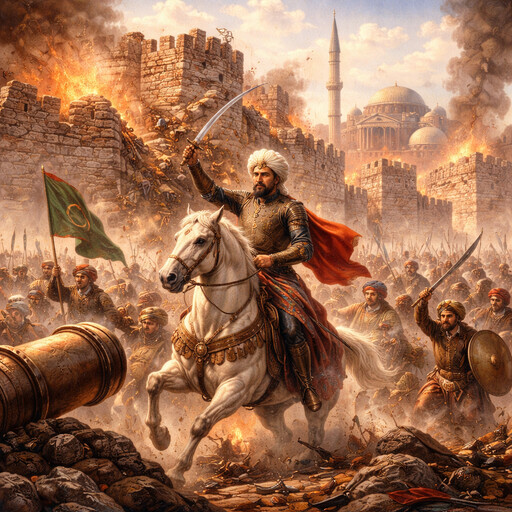
Fall of Constantinople
Ottoman capture of Constantinople in 1453
Ibn Battuta
Great traveler of the medieval world
Meiji Restoration
Return of imperial rule in Japan
Sack of Constantinople
Crusaders capture Constantinople in 1204
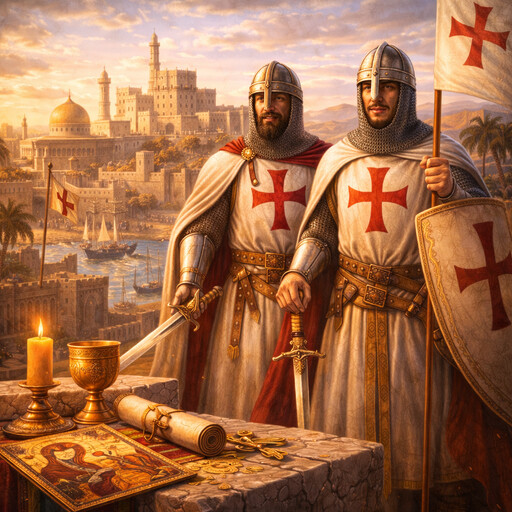
Crusader states
Crusader kingdoms in the eastern Mediterranean

Eleanor of Aquitaine
Powerful queen of medieval Europe
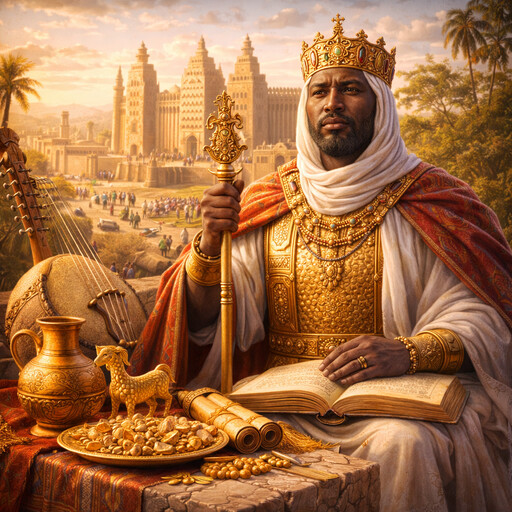
Mali Empire
A great empire of West Africa

Venice
City built on water