The Meiji Restoration was a period of major political and social change in Japan that began in 1868. During this time, power was restored to the emperor, who became the main ruler of the country again. Before this change, Japan was ruled by military leaders called shoguns. The shoguns governed Japan for many centuries, while emperors had limited direct power. The Meiji Restoration marked the end of this system and the beginning of a new form of government.
Before 1868, Japan was ruled by the Tokugawa shogunate. A shogunate is a government led by a shogun, who was the top military commander. The Tokugawa shoguns controlled the country from Edo, which is now called Tokyo. During this time, Japan limited contact with most foreign countries. This policy is often called isolation, meaning separation from outside influence. By the mid-1800s, pressure from foreign powers increased, and the shogunate faced growing problems at home.
In 1853, American ships led by Commodore Matthew Perry arrived in Japan. They demanded that Japan open its ports to foreign trade. The shogunate agreed to unequal treaties, which gave foreign nations special rights. Many people in Japan were unhappy with these agreements. Some leaders believed the shogunate was weak. Groups supporting the emperor argued that political power should return to him. These tensions led to conflict between forces loyal to the shogun and those supporting imperial rule.
In 1868, supporters of the emperor took control of the government. This event is known as the Meiji Restoration. Emperor Meiji became the official ruler of Japan. The emperor moved his residence from Kyoto to Edo, which was renamed Tokyo, meaning "eastern capital." The new government announced that it would rule in the emperor’s name and make major changes to how Japan was governed.
After the restoration, Japan’s leaders reorganized the government. The feudal system was ended. A feudal system is a social structure where land is controlled by powerful local lords. These lords, called daimyo, lost their authority, and their lands were taken over by the central government. Samurai, the warrior class, also lost their special status. New laws made all people equal under the law, regardless of class.
The Meiji government introduced many reforms. New schools were created, and education became more widespread. The army was reorganized into a national force. Modern factories, railways, and communication systems were built. Japan also adopted elements of Western-style government, including a constitution in 1889. These changes transformed Japan into a centralized modern state by the early 20th century.
Meiji Restoration
Level
readlittle.com
Return of imperial rule in Japan
What We Can Learn
- The Meiji Restoration began in 1868.
- It ended rule by the shoguns and restored imperial power.
- The Tokugawa shogunate was replaced by a central government.
- Major political and social reforms followed the restoration.
Related Reads

Revolutions of 1848
Uprisings across Europe in 1848
Constantine XI Palaiologos
Last emperor of the Byzantine Empire
Mughal Empire
Powerful empire in South Asia
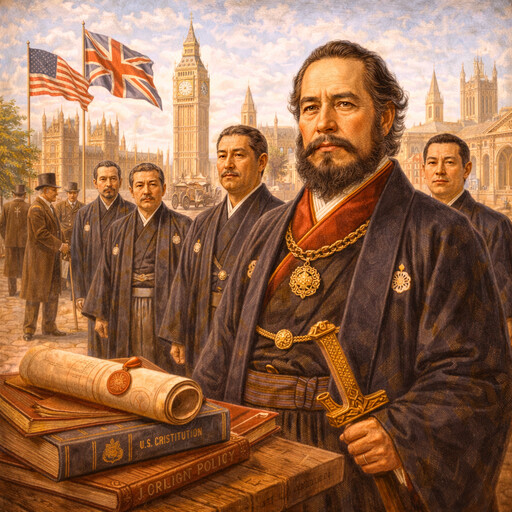
Iwakura Mission
Japanese study journey to the Western world
Atomic bombings of Hiroshima and Nagasaki
Nuclear attacks in Japan during World War II
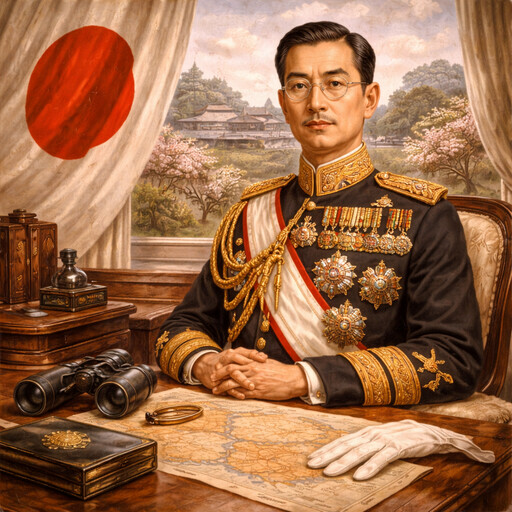
Hirohito
Emperor of Japan during World War II

Theodosius I
Last ruler of a united Roman Empire