Pygmy marmosets weigh less than a bar of soap yet display big personalities. Found along tributaries of the western Amazon in Peru, Ecuador, Colombia, and Brazil, they inhabit vine tangles, secondary forests, and river-edge thickets. Their fur blends olive, gold, and brown tones that camouflage them among mossy trunks. Rotating ankles and sharp claws allow them to cling vertically to thin branches like woodpeckers do on tree bark.
Diet revolves around tree sap, gum, and latex. Each family maintains feeding trees with gouge marks carved by the lower incisors. Marmosets visit the same holes daily, licking the sweet exudate that flows out. They supplement sap with small insects, fruit, and pollen, snapping dragonflies from the air with lightning-fast paws. Because sap flows slowly, groups defend their trees from other marmosets with squeaky warning calls.
Social structure centers on a monogamous pair and their offspring from several years. Mothers often produce twins twice a year. Fathers, older brothers, and sisters carry the infants on their backs for the first weeks, returning them to the mother only for nursing. Cooperative care lets females recover quickly and produce the next litter. Family members keep in touch using high-pitched trills that humans barely hear.
Habitat fragmentation and illegal pet capture threaten pygmy marmosets. Their tiny size makes them appealing pets, but removing even a few adults can collapse an entire group. Conservation strategies include educating river communities about the species, promoting community-managed forests, and rehabilitating confiscated animals for release. Scientists also track sap trees and monitor population health by listening for ultrasonic calls in the canopy.
Pygmy marmoset
Level
readlittle.com
Thumb-sized sap specialist
What We Can Learn
- Pygmy marmosets are the smallest monkeys, living along western Amazon rivers.
- Chisel teeth carve tree bark so sap, gum, and latex can be licked.
- Families share infant care, with fathers and siblings carrying babies.
- Protecting river-edge forests and stopping the pet trade keep groups stable.
Related Reads
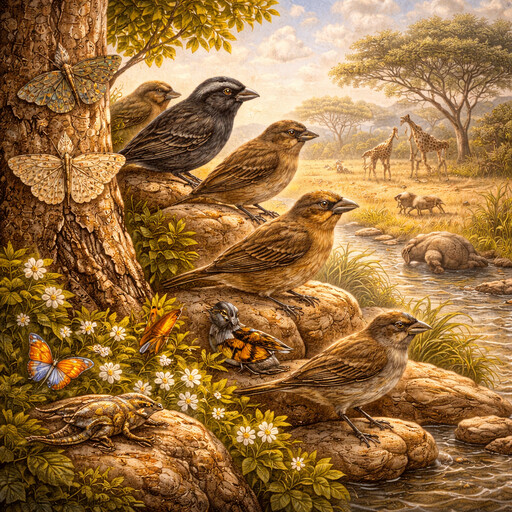
Natural selection
How living things change over time

Internet
Global network connecting computers worldwide

Smartphone
Mobile phone with advanced computing features

Chimpanzee
Inventive problem-solvers of African forests
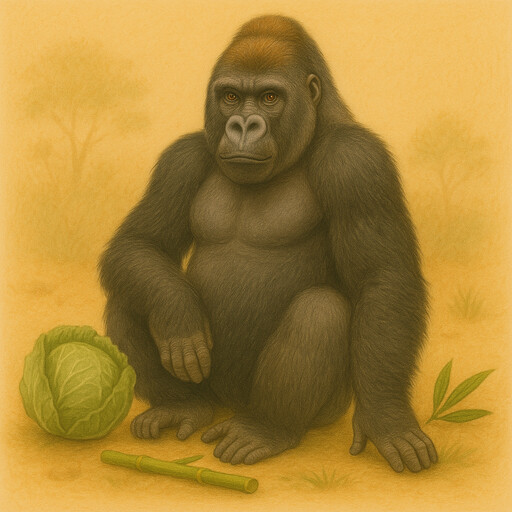
Gorilla
Forest gardeners with gentle strength
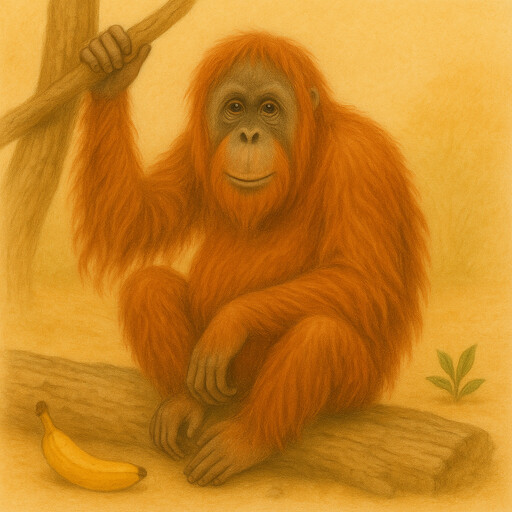
Orangutan
Solitary engineers of the canopy

Baboon
Savanna troubleshooters
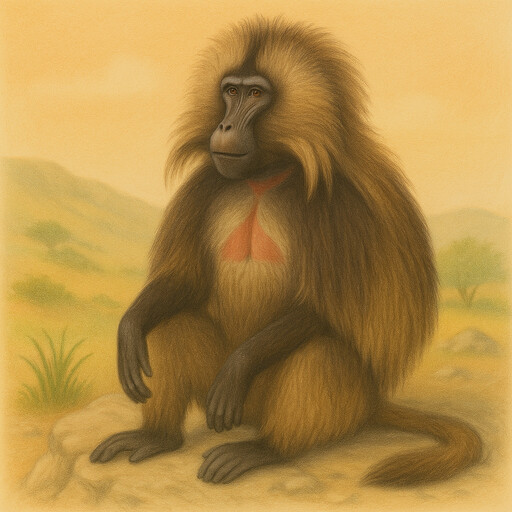
Gelada
Grass-eating monkeys of the highlands
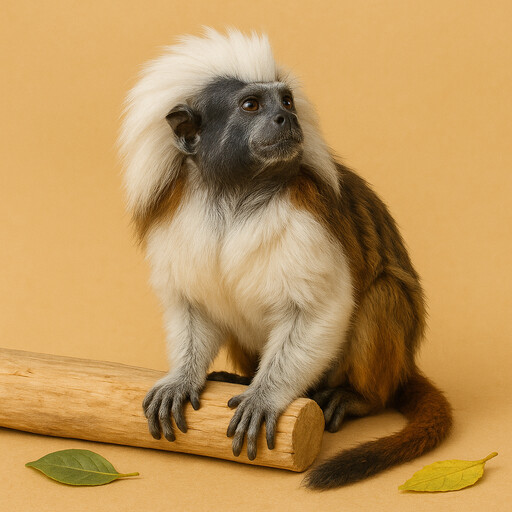
Tamarin
Tiny monkeys with bold mustaches
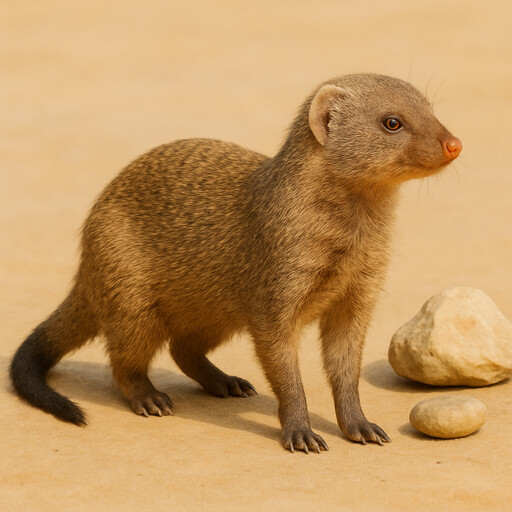
Mongoose
Quick hunters with shared dens
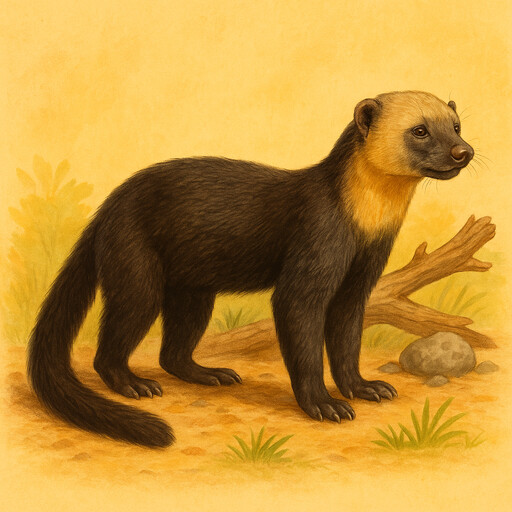
Tayra
Restless hunters of the Neotropics
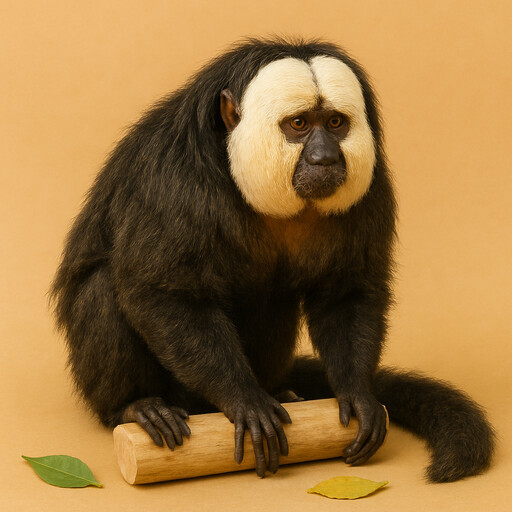
Saki
Shaggy-tailed seed eaters