Peru stretches from the Pacific seafloor up to 6,768-meter Mount Huascarán and down again into the Amazon Basin. The coastal strip is arid for most of the year, yet irrigation canals fed by Andean rivers allow farmers to grow asparagus, grapes, and cotton. Offshore, the cold Humboldt Current nurtures anchoveta fish that support one of the world's largest fisheries. Inland, the Andes rise in dramatic terraces, hosting cities such as Cusco, Arequipa, and Huancayo, while the eastern slopes descend into cloud forests and the headwaters of the amazon-river near Iquitos and Pucallpa.
Lima, the capital, blends colonial architecture with modern skyscrapers, research universities, culinary institutes, and neighborhoods overlooking the Pacific cliffs. The city's chefs pioneered contemporary Peruvian cuisine that mixes Indigenous ingredients like quinoa, potatoes, and ají peppers with influences from Spanish, African, Chinese, and Japanese immigrants. UNESCO World Heritage sites such as Machu Picchu, the Nazca Lines, and the Sacred City of Caral showcase civilizations that flourished long before the Inca Empire.
Peru's history features the rise of the Inca, whose empire stretched from colombia to chile, and the arrival of Spanish conquistadors in the 1500s. Resistance, reforms, and independence efforts culminated in 1821–1824 when José de San Martín and Simón Bolívar declared the country free from spain. The republican era brought railroads, mining booms, agrarian reforms, and constitutional changes. Today Peru is a presidential democracy with 25 regions that elect local governors and councils.
The economy relies on mining copper, gold, silver, and zinc in the Andes; exporting coffee and cacao from the Amazon foothills; and shipping fresh fruit, fishmeal, and textiles abroad. Hydropower dams and natural gas pipelines provide energy, while new wind farms rise along the coast. Engineers build road and rail links over mountain passes, and satellite internet projects aim to connect remote valleys. Scientists monitor glaciers that feed drinking water, while archaeologists collaborate with Indigenous communities to preserve sacred landscapes.
Cultural traditions remain vibrant. Quechua and Aymara languages echo in markets, colorful textiles and alpaca sweaters fill craft cooperatives, and musicians play panpipes, charangos, and cajón percussion. Festivals such as Inti Raymi, the Lord of Miracles procession, and jungle-based San Juan celebrations unite regions with dance, faith, and community service. Students join robotics leagues, coding bootcamps, and environmental clubs to solve challenges from climate change to urban transit.
Peru
Level
readlittle.com
Andean peaks, Amazon headwaters, coastal deserts
What We Can Learn
- Peru contains desert coasts, Andean peaks, and Amazon headwaters
- Lima anchors culinary innovation and research while iconic sites like Machu Picchu attract visitors
- Mining, agriculture, fisheries, and renewable energy sustain the economy
- Indigenous languages, festivals, and science programs keep heritage and innovation connected
Related Reads
No image
Monarchy
Government ruled by a royal family

Johann Gottfried Herder
German thinker of culture and language
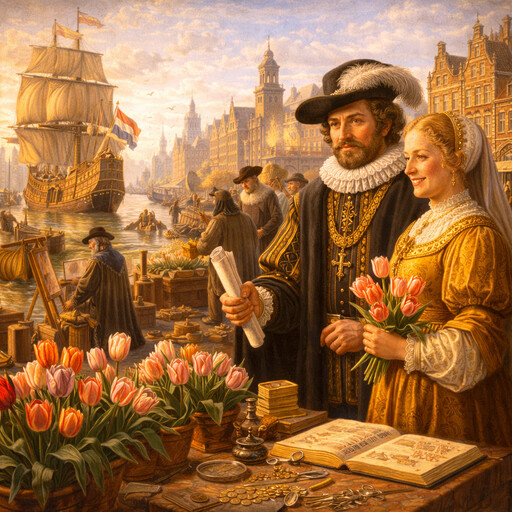
Dutch Golden Age
Period of Dutch global growth
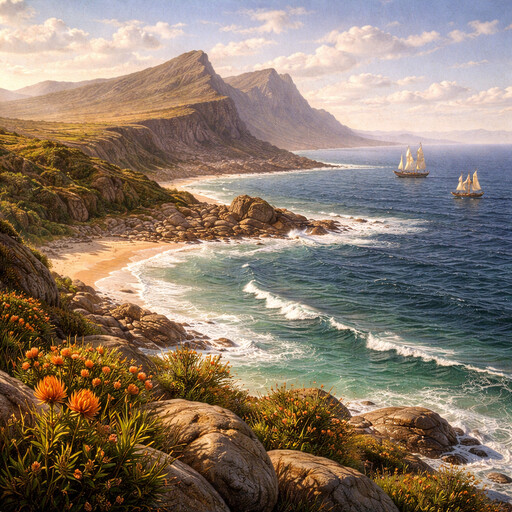
Cape of Good Hope
Southern headland of Africa
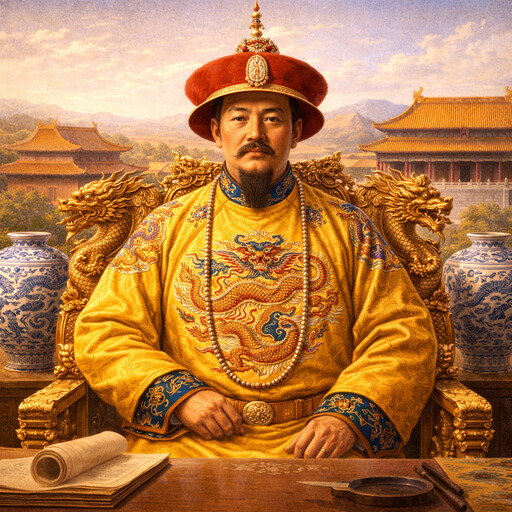
Ming dynasty
Chinese dynasty from 1368 to 1644
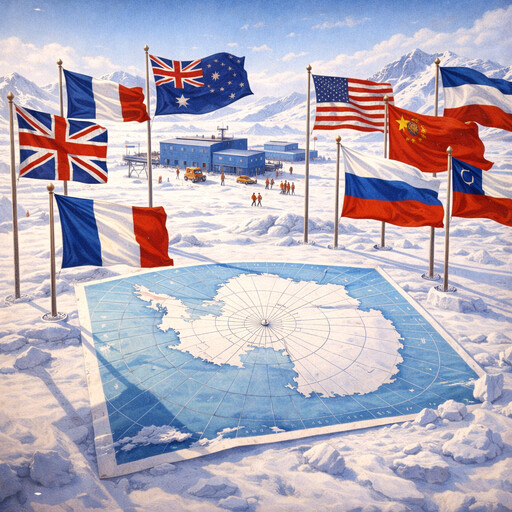
Antarctic Treaty System
Agreements governing Antarctica
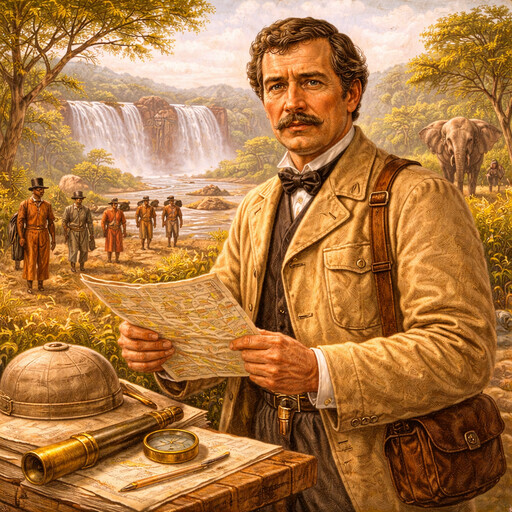
David Livingstone
Scottish explorer of Africa
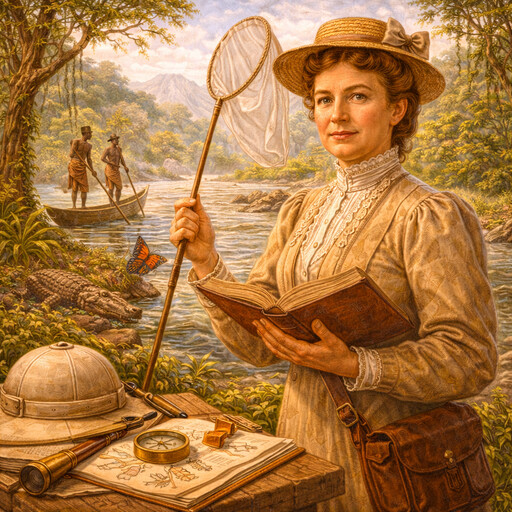
Mary Kingsley
British traveler and writer in West Africa
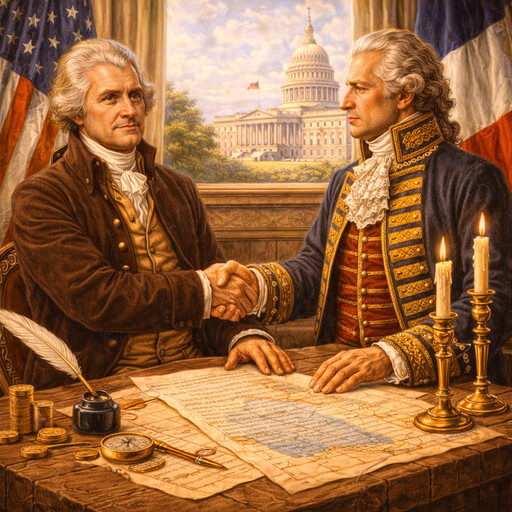
Louisiana Purchase
A land deal that doubled the United States
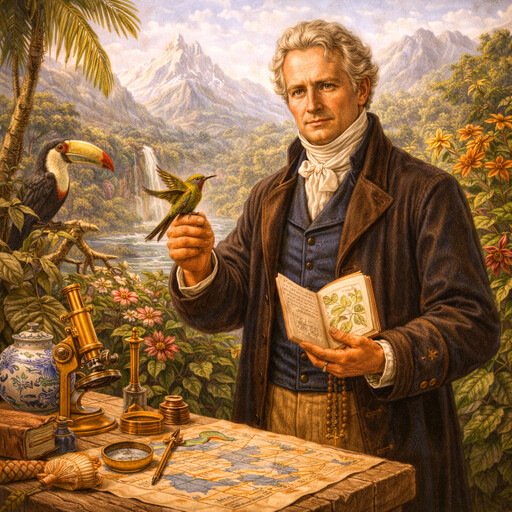
Alexander von Humboldt
Explorer of nature and the natural world

Lewis and Clark Expedition
Exploring the land west of the Mississippi
Northwest Passage
A sea route through Arctic waters