William the Conqueror was the first Norman king of England. He became king in 1066 after defeating the English king, Harold Godwinson, at the Battle of Hastings. William was born in Normandy, a region in northern France, where he was known as the Duke of Normandy. A duke is a powerful ruler who controls a large area of land. William claimed that the English throne had been promised to him, and he used this claim to organize an invasion.
William's early life in Normandy was difficult. He became duke as a child, and many powerful families did not want to follow a young ruler. William survived several attempts to remove him, and he grew into a strong leader. By the time he was an adult, he controlled Normandy with firm authority and prepared it for war when needed.
In 1066, William sailed across the English Channel with many soldiers, horses, and supplies. The English army fought him at the Battle of Hastings. A battle is a large fight between two organized armies. After a long day of fighting, King Harold was killed, and William's army won the field. William then moved across southern England, taking control of towns and building wooden castles to secure each area.
As king, William made wide changes in England. He ordered a survey called the Domesday Book, which described who owned land and what taxes they should pay. He replaced many English lords with Norman lords, who supported him. William also built strong stone castles, such as the Tower of London, to defend his rule. These castles helped him control the land and protect important places.
William's rule connected England more closely with Normandy and the rest of Europe. Norman culture, language, and building methods spread across England. William died in 1087 in Normandy. His sons later became kings, and the systems he started shaped English government, landholding, and royal power for many years.
Today, historians see William as a ruler who changed England in lasting ways. His victory in 1066 marked the beginning of a new chapter in English history, with new leaders, new buildings, and new laws that influenced the country for centuries.
William the Conqueror
Level
readlittle.com
Norman ruler who changed England
What We Can Learn
- William became king of England in 1066 after the Battle of Hastings.
- He strengthened his power by building castles and replacing many English lords.
- The Domesday Book recorded land and taxes across England.
- His rule linked England more closely with Normandy and Europe.
Related Reads
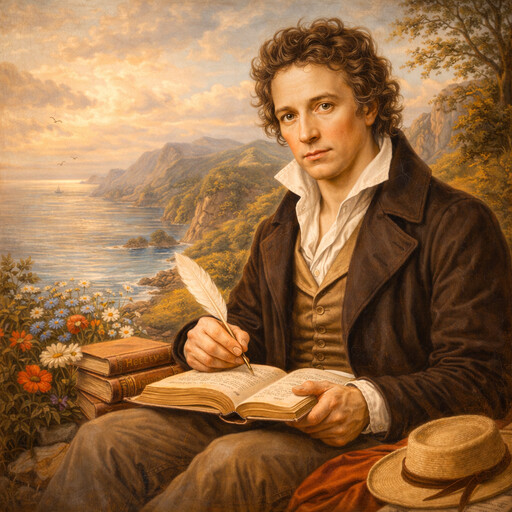
Percy Bysshe Shelley
English Romantic poet and writer
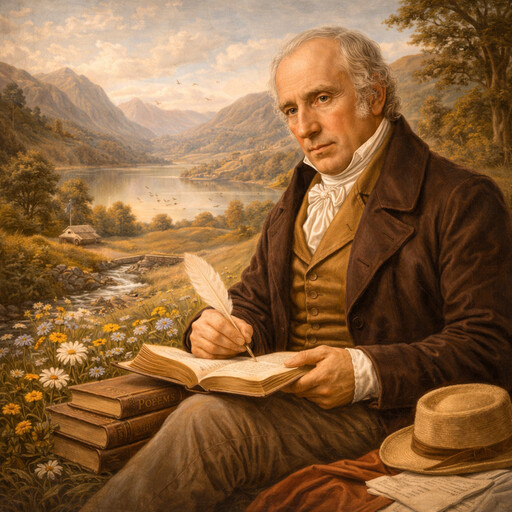
William Wordsworth
English Romantic poet of nature
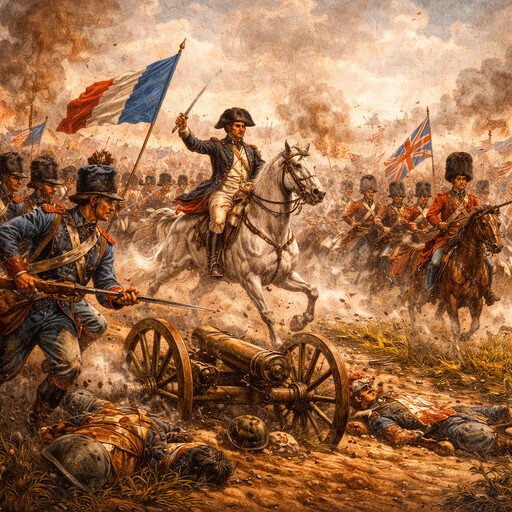
Battle of Waterloo
Napoleon’s final defeat

Battles of Lexington and Concord
First fighting of the American Revolution
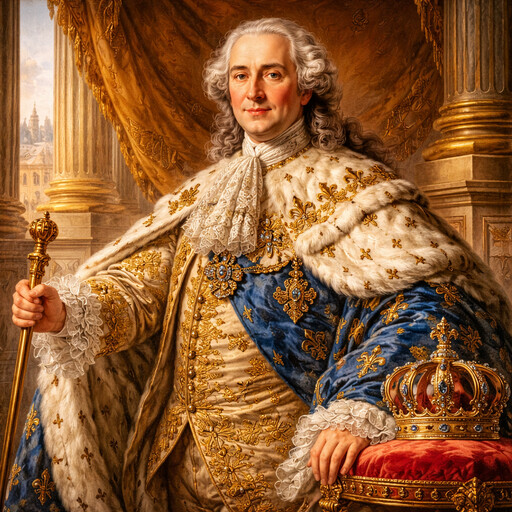
Louis XV
King of France in the 1700s
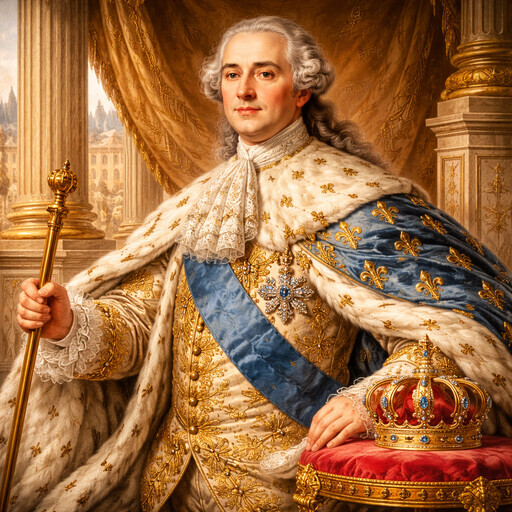
Louis XVI
Last king of France before revolution
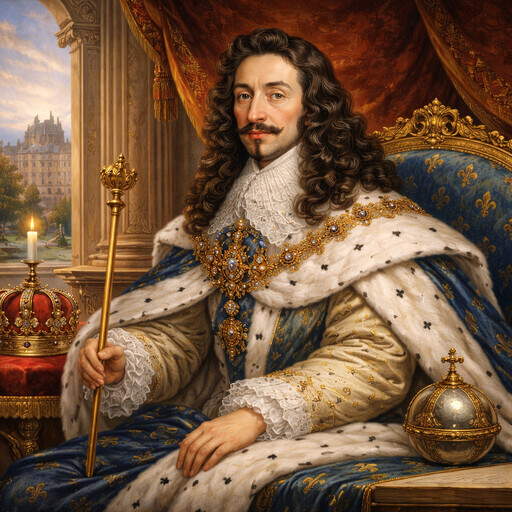
Louis XIII
King of France in the early 1600s
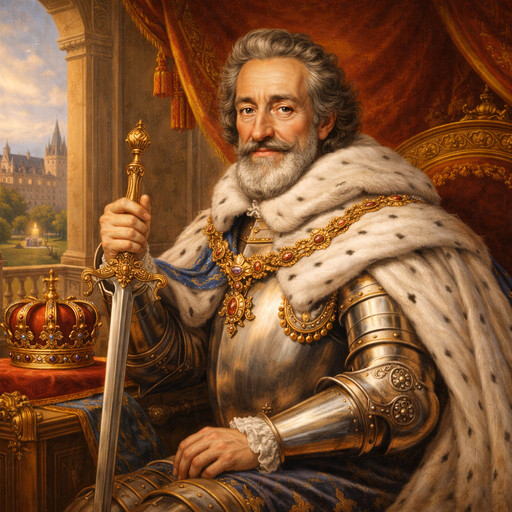
Henry IV of France
First Bourbon king of France
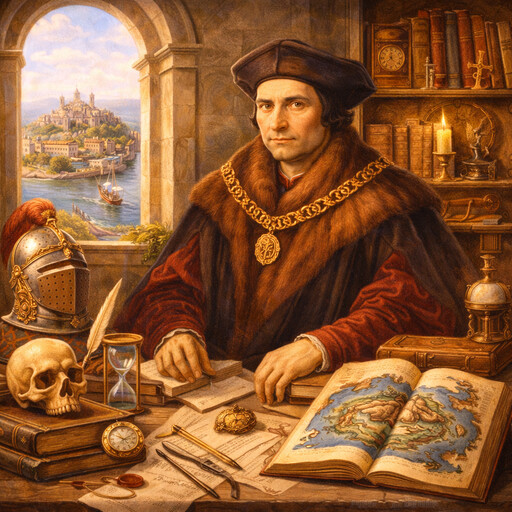
Thomas More
English writer and government official
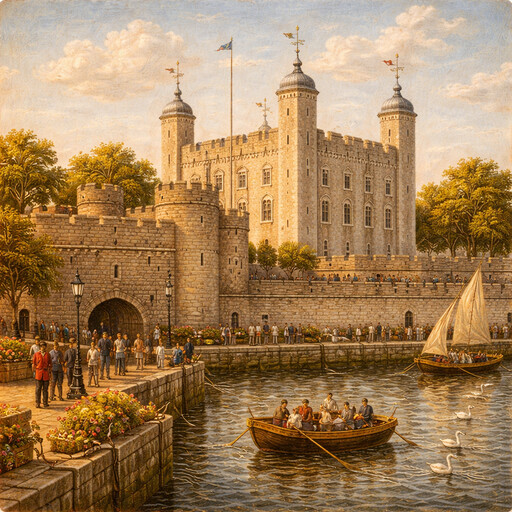
Tower of London
Historic fortress beside the River Thames
Charles II of England
King restored after civil war

Robert the Bruce
King of Scots during independence wars