The Battle of Hastings was a major fight that took place in the year 1066. It was fought between the English army, led by King Harold Godwinson, and the Norman army, led by William, Duke of Normandy. A duke is a powerful ruler who controls a large area of land. The battle decided who would become the next king of England, making it an event that changed English history.
Before the battle, England had been ruled by King Edward the Confessor. After Edward died, Harold Godwinson became king. William of Normandy believed that the English crown had been promised to him, and he disagreed with Harold taking the throne. The throne is the right to rule a kingdom. To claim the crown, William gathered soldiers, horses, and supplies to cross the English Channel, the sea that separates England and France.
The battle took place near the town of Hastings in southern England on October 14, 1066. Both armies used different fighting methods. The English soldiers mostly fought on foot and formed a strong shield wall. A shield wall is a line of soldiers standing close together with their shields touching. The Normans used cavalry, which means soldiers on horseback, as well as archers who shot arrows from a distance. These different styles of fighting shaped how the battle unfolded.
The fighting lasted for many hours. The English held their position for a long time, but a key moment came when King Harold was killed. The exact way he died is not known, but many stories say he was struck by an arrow. Without their king, the English army weakened. William's army pushed forward and forced the English soldiers to fall back. When the battle ended, the Normans had won.
After his victory, William moved across England to secure his control. He entered London, where he was crowned king on December 25, 1066. This marked the beginning of Norman rule in England. William changed many parts of English society. He gave land to Norman lords who supported him and ordered the building of strong stone castles. These castles helped protect important places and demonstrated Norman power.
The Battle of Hastings had long-lasting effects. It led to the Norman Conquest, which brought new laws, new building styles, and new language influences to England. Over time, English and Norman ways mixed together. This event remains one of the most studied battles in British history because it shaped how the country developed in the centuries that followed.
Battle of Hastings
Level
readlittle.com
A major fight for England’s crown
What We Can Learn
- The Battle of Hastings was fought in 1066 between the English and the Normans.
- William of Normandy invaded England to claim the crown.
- King Harold was killed during the battle, leading to a Norman victory.
- The battle led to the Norman Conquest and major changes in England.
Related Reads

Percy Bysshe Shelley
English Romantic poet and writer
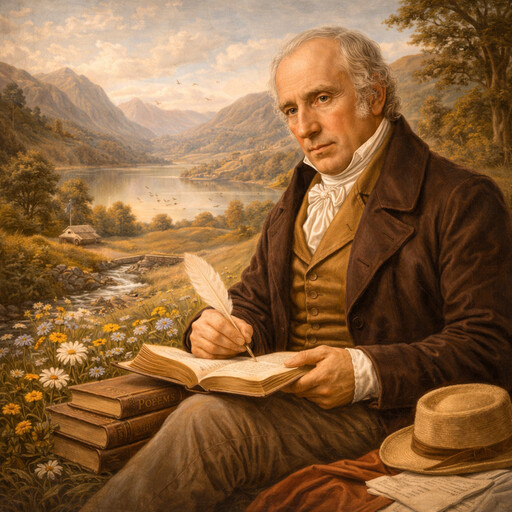
William Wordsworth
English Romantic poet of nature
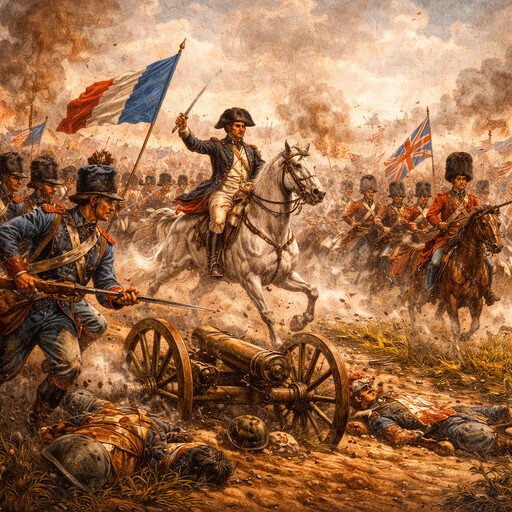
Battle of Waterloo
Napoleon’s final defeat
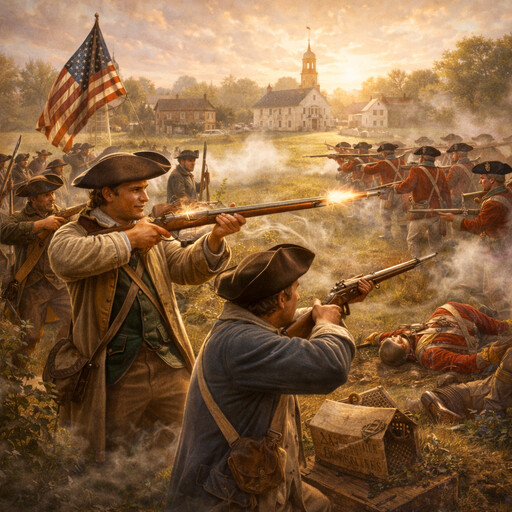
Battles of Lexington and Concord
First fighting of the American Revolution
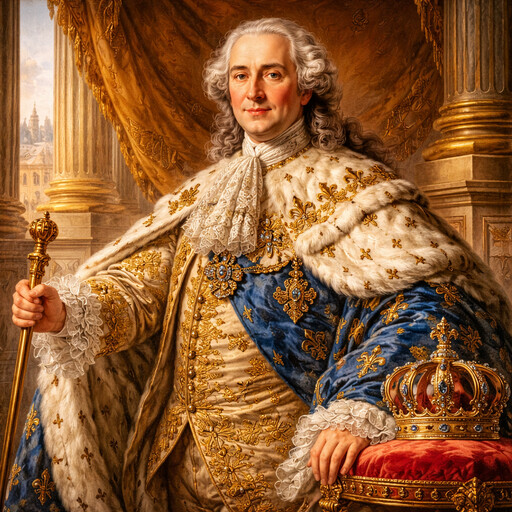
Louis XV
King of France in the 1700s
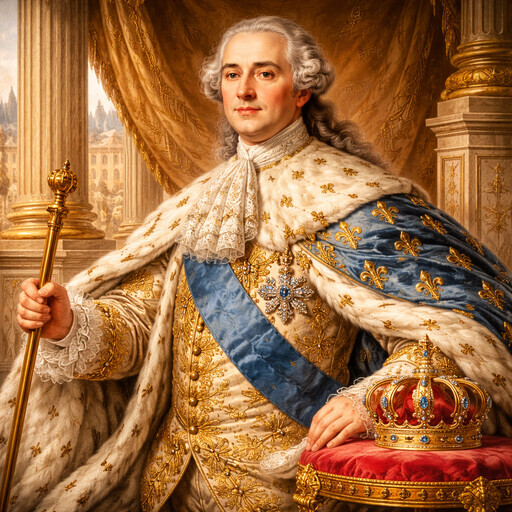
Louis XVI
Last king of France before revolution
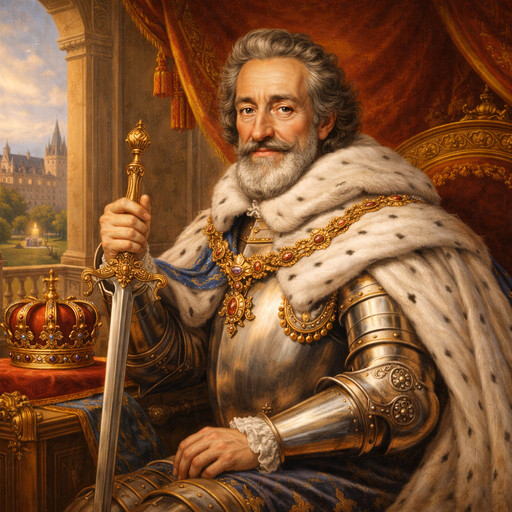
Henry IV of France
First Bourbon king of France
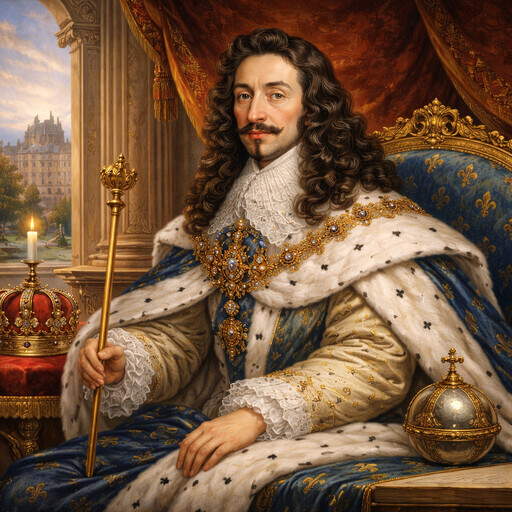
Louis XIII
King of France in the early 1600s
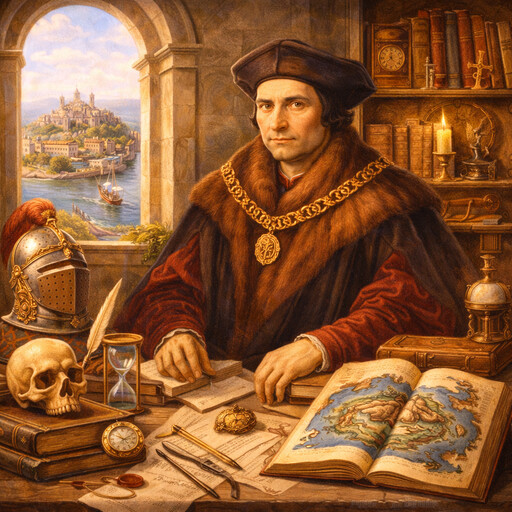
Thomas More
English writer and government official
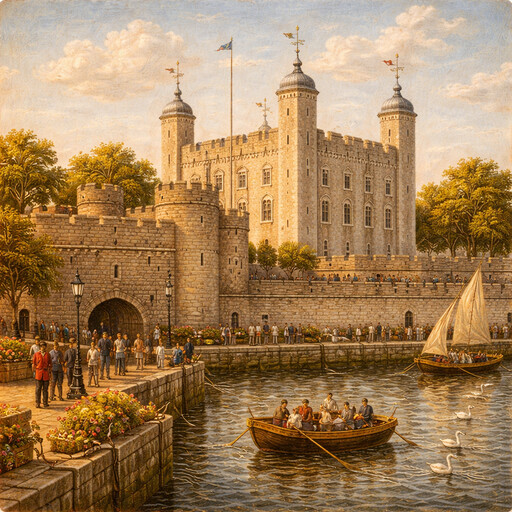
Tower of London
Historic fortress beside the River Thames
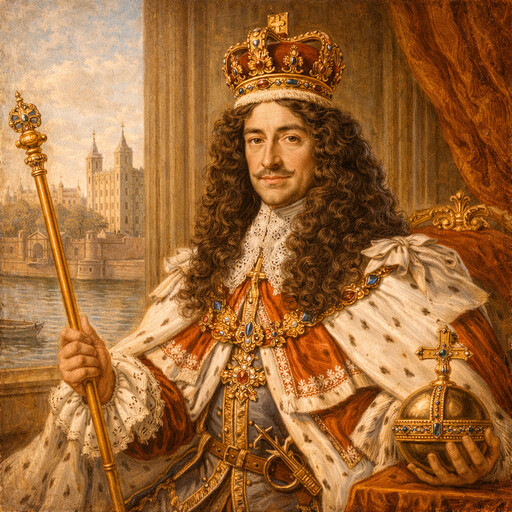
Charles II of England
King restored after civil war

Robert the Bruce
King of Scots during independence wars