The Balkans is a geographic and historical region located in southeastern Europe. It lies between Central Europe and the eastern Mediterranean area. The region is named after the Balkan Mountains, which run through Bulgaria. The Balkans are bordered by several seas, including the Adriatic Sea, the Ionian Sea, the Aegean Sea, and the Black Sea. Because of its location, the region has been a meeting place of different peoples, cultures, and empires for many centuries.
The Balkans is not a single country. It is a region made up of many modern nations. Countries commonly included in the Balkans are Albania, Bosnia and Herzegovina, Bulgaria, Croatia, Kosovo, Montenegro, North Macedonia, Romania, Serbia, and Slovenia. Greece is often included as well. Some definitions also include parts of Turkey. The exact list can change depending on whether geography, history, or politics is used to define the region.
The land of the Balkans is mostly mountainous. Mountains, valleys, and rivers shape the landscape. Important rivers include the Danube, which flows along or through several Balkan countries. The mountains made travel difficult in the past. This helped different groups develop their own languages, traditions, and customs. The climate varies from place to place, with coastal areas having milder weather and inland areas having colder winters.
The history of the Balkans is long and complex. In ancient times, the region was home to peoples such as the Illyrians, Thracians, and Greeks. Later, it became part of the Roman Empire. After the Roman Empire split, the eastern half, called the Byzantine Empire, ruled much of the Balkans. From the late Middle Ages onward, the Ottoman Empire controlled large parts of the region for several centuries. This brought new religions, laws, and social systems.
In the 1800s and early 1900s, many Balkan peoples sought independence from the Ottoman Empire. New nations were formed, and borders changed often. These changes sometimes led to conflicts between states and groups. The Balkan Wars of 1912 and 1913 involved several countries fighting over land. The region was also linked to the start of World War I, which began in 1914 after the assassination of Archduke Franz Ferdinand in Sarajevo.
During the 20th century, the Balkans continued to change. After World War II, some countries became part of socialist states. Yugoslavia was a large country that included several Balkan peoples. In the 1990s, Yugoslavia broke apart into separate nations. This period involved wars and major political changes. Today, the Balkans is made up of independent countries that cooperate through trade, diplomacy, and regional organizations, while still reflecting their diverse histories and cultures.
Balkans
Level
readlittle.com
Southeastern European region
What We Can Learn
- The Balkans is a region in southeastern Europe.
- It includes many different countries, not one nation.
- Mountains and rivers shape the region’s geography.
- Its borders and rulers have changed many times.
Related Reads

Johann Gottfried Herder
German thinker of culture and language
No image
Monarchy
Government ruled by a royal family
Cape of Good Hope
Southern headland of Africa
Mary Kingsley
British traveler and writer in West Africa
David Livingstone
Scottish explorer of Africa
Alexander von Humboldt
Explorer of nature and the natural world
Louisiana Purchase
A land deal that doubled the United States

Lewis and Clark Expedition
Exploring the land west of the Mississippi
Northwest Passage
A sea route through Arctic waters
Conquistador
Spanish explorers and soldiers of empire
Ptolemy
Ancient scholar of astronomy and geography
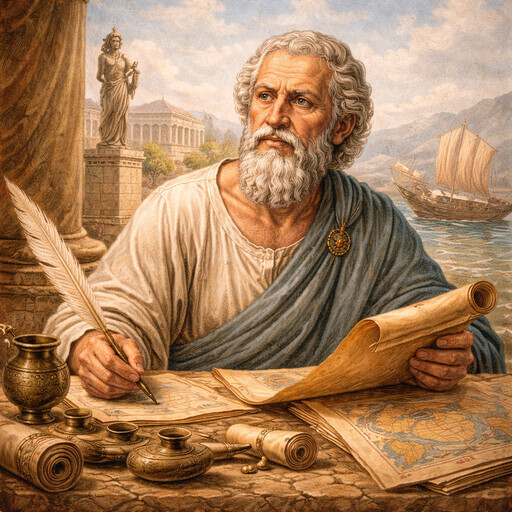
Herodotus
Ancient Greek writer of early history