Edward the Confessor was a king of England who ruled from 1042 until 1066. He lived during the late Anglo-Saxon period, before the Norman Conquest of England. He is called "the Confessor" because later writers believed he lived a holy life and cared deeply for his faith. His reign is known for its relative calm at home, even though important changes were taking place in England and across the sea in Normandy.
Edward was the son of King Æthelred the Unready and Queen Emma. As a young boy, he spent many years living in Normandy, a region across the English Channel, after his family fled from Viking threats. Because he lived there so long, he became familiar with Norman customs. A custom is a usual way of doing things. When he later returned to England and became king, he brought some Norman advisers into the royal court, which shaped how the court worked.
Edward became king after the death of King Harthacnut in 1042. During his reign, powerful nobles, such as Earl Godwin and his family, played major roles in government. A noble was a high-ranking person who owned land and supported the king with soldiers. Edward depended on these nobles to maintain peace and collect taxes. However, the strong influence of the Godwin family sometimes caused tension, which means stress or disagreement. One example was the dispute that led to the temporary exile of Godwin, who was later allowed to return.
Edward is well known for building a great stone church called Westminster Abbey. An abbey is a large religious building used for prayer and important ceremonies. Construction began around 1050. The building replaced an older church on the same site. Westminster Abbey became a center for the king’s rule and for church life in England. Later English kings and queens were crowned there, and many were buried there, which helped make the abbey an important national symbol.
Edward had no children, so he left no clear heir. An heir is the person who becomes ruler after a king or queen dies. This unclear succession created conflict after his death. Several leaders claimed the right to rule England, including Harold Godwinson, who was chosen by the English council called the witan, and William, the Duke of Normandy, who said Edward had once promised him the throne. These competing claims led to the Norman Conquest later in 1066.
Edward died in January 1066. Soon after, Harold Godwinson became king, but he ruled for only a short time before dying at the Battle of Hastings. Edward’s life shows how early English kings balanced noble power, foreign influence, and church responsibilities. His building of Westminster Abbey and the events after his death had long-lasting effects on the history of England.
Edward the Confessor
Level
readlittle.com
An early English king and builder
What We Can Learn
- Edward the Confessor ruled England from 1042 to 1066.
- He built Westminster Abbey, an important religious building.
- His court included both English and Norman advisers.
- His death without an heir helped lead to the Norman Conquest.
Related Reads
Louis XVI
Last king of France before revolution
Louis XV
King of France in the 1700s
War of the Austrian Succession
European war over imperial inheritance
Henry IV of France
First Bourbon king of France
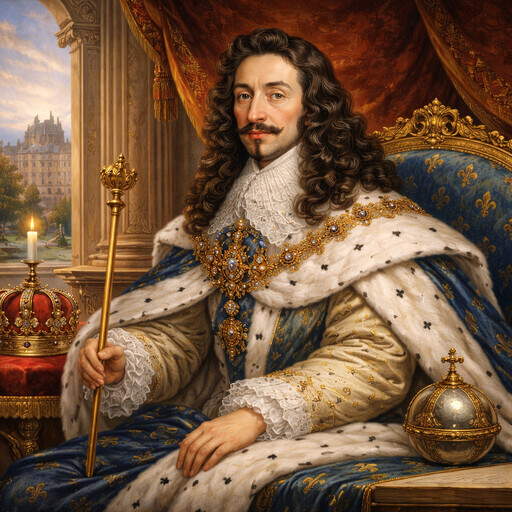
Louis XIII
King of France in the early 1600s
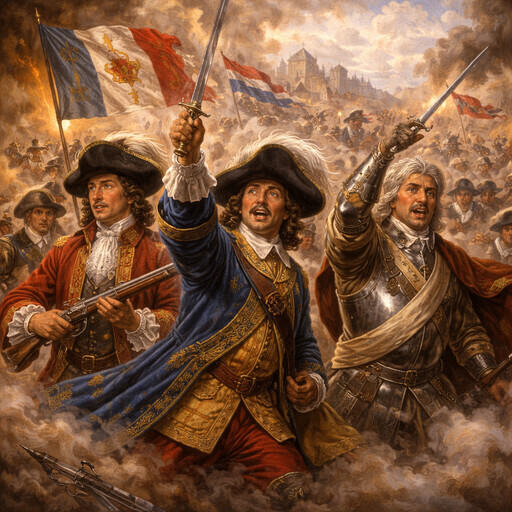
War of the Spanish Succession
European war over Spanish throne
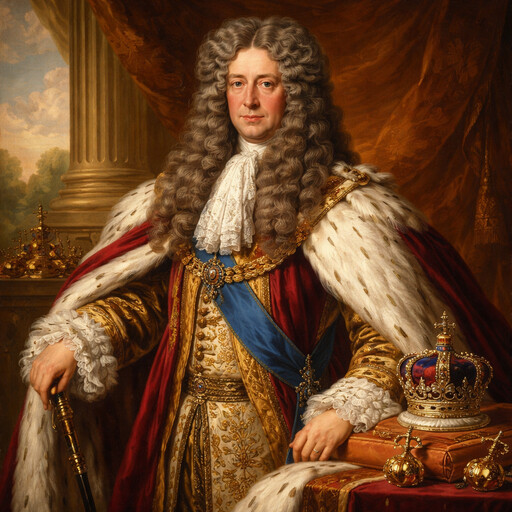
George I
First king of the House of Hanover
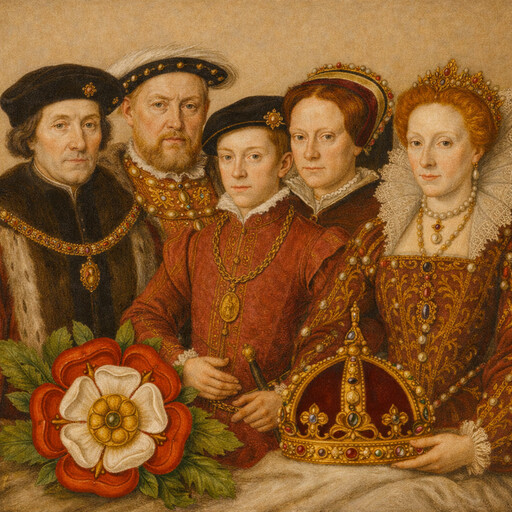
House of Tudor
Royal family of England and Wales
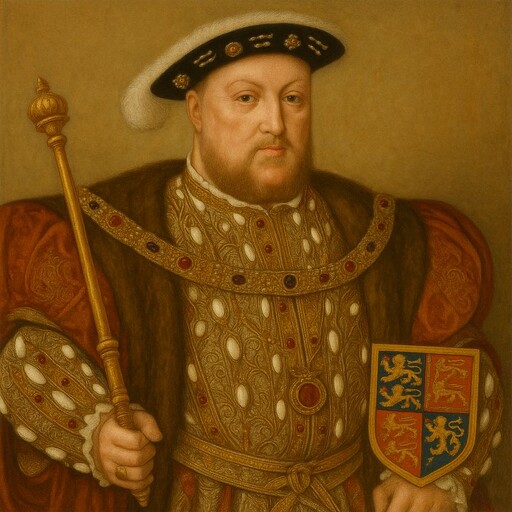
Henry VIII
Tudor king known for major reforms
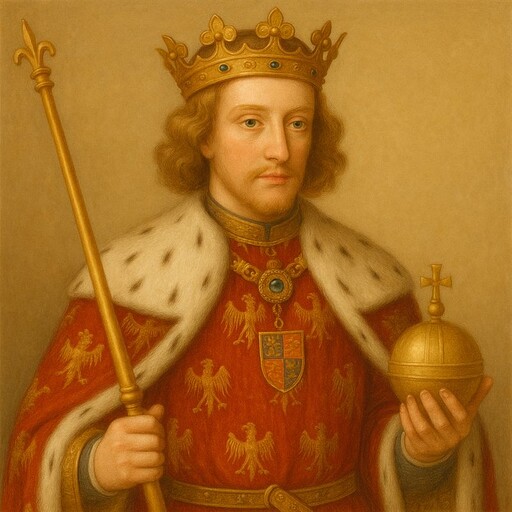
Richard II
Young medieval king of England
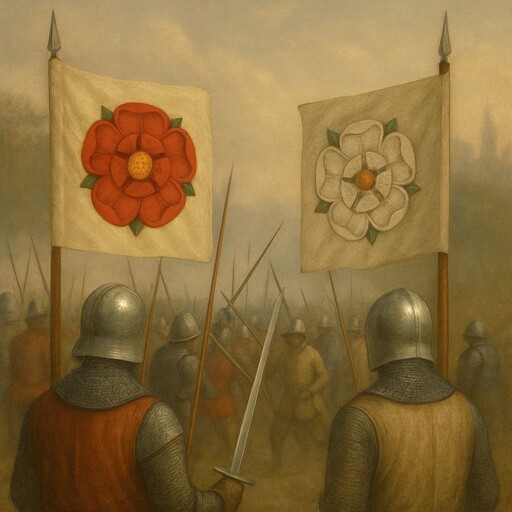
Wars of the Roses
English civil wars for the crown
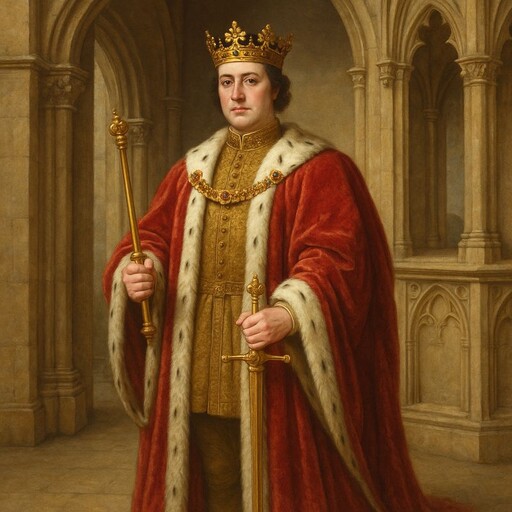
Edward IV
Yorkist king of England