Bird describes animals covered in feathers, the only living creatures to have them. Feathers insulate, shed rain, and create the broad surfaces needed for flight. Even species that do not fly, like ostriches and penguins, keep their feathers for warmth, camouflage, or courtship displays.
Birds have lightweight bones full of air spaces, strong chest muscles, and wings shaped to push against the air. Their hearts beat rapidly to deliver oxygen, and their lungs use air sacs that keep oxygen flowing even as they exhale. These features let hummingbirds hover, hawks glide, and swallows travel thousands of kilometers during migration.
Every bird has a beak, but shapes vary by diet. Finches crack seeds with thick bills, woodpeckers use chisel-shaped beaks to drill insects from bark, herons spear fish with long, sharp points, and nectar feeders sip through straw-like bills. Inside the body, a muscular gizzard grinds food with swallowed pebbles in place of teeth.
Bird senses and behavior are finely tuned. Eagles can spot prey from high cliffs, owls hear scurrying mice under snow, and albatrosses smell fish oil across the ocean. Many birds sing complex songs to claim territory or attract mates, while others use dances or bright plumage to send signals.
Care for young differs widely. Some chicks hatch helpless and need warmth and food for weeks, while others run or swim within hours. Parents may share duties, form large nesting colonies, or hide eggs in quiet tree hollows. habitat protection, bird feeders, and window decals that prevent collisions help people support bird populations facing climate change and habitat loss.
Bird
Level
readlittle.com
Feathered animals built for flight
What We Can Learn
- Birds are feathered, warm-blooded vertebrates with beaks and lightweight bodies
- Wings, strong hearts, and special lungs support flight, gliding, or swimming
- Beak shapes, songs, and colors reflect a bird's diet and behavior
- People can help birds by protecting habitats and making cities safer
Related Reads
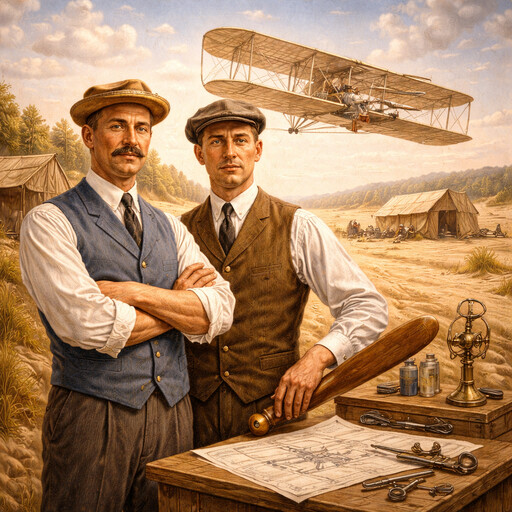
Wright brothers
Pioneers of powered human flight
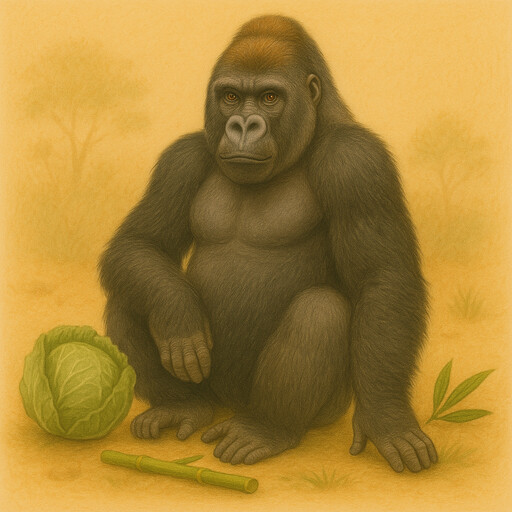
Gorilla
Forest gardeners with gentle strength
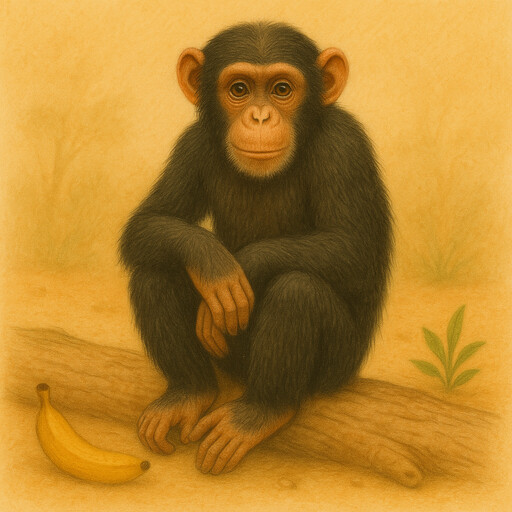
Chimpanzee
Inventive problem-solvers of African forests
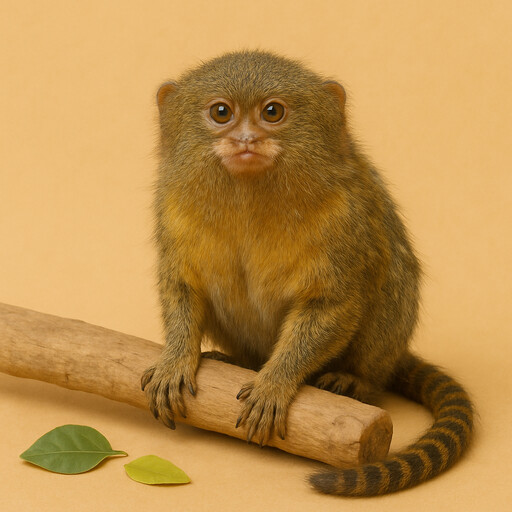
Pygmy marmoset
Thumb-sized sap specialist
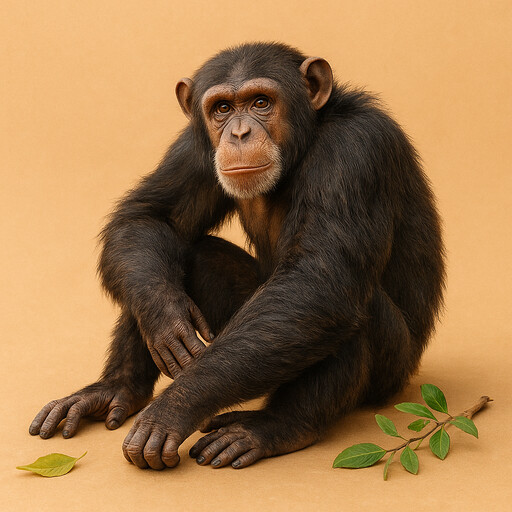
Ape
Tailless primates with flexible minds
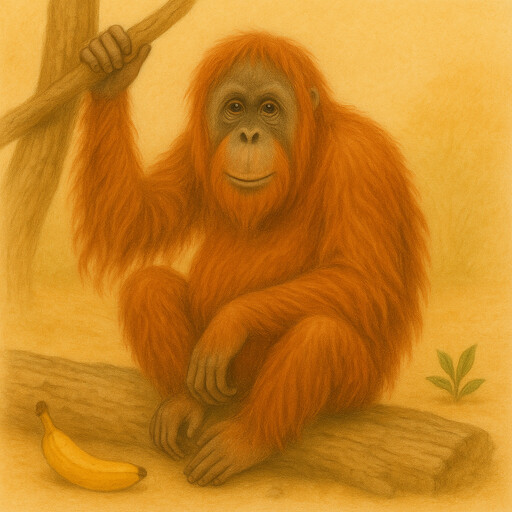
Orangutan
Solitary engineers of the canopy
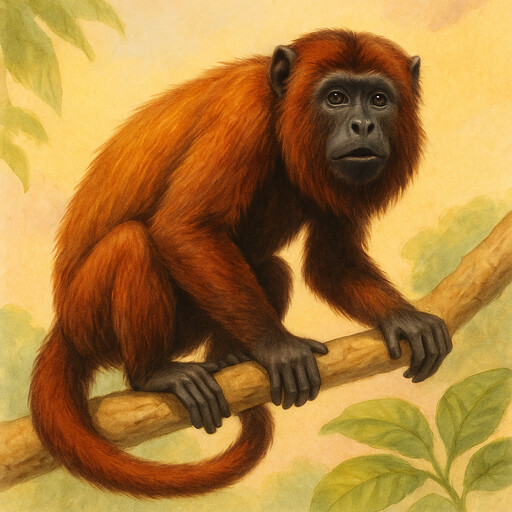
Howler monkey
Rainforest alarm bells
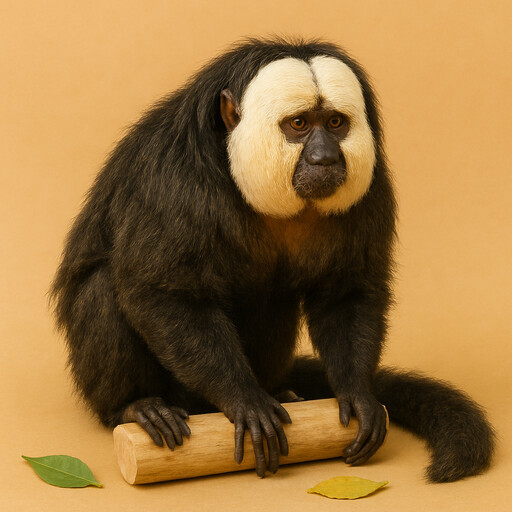
Saki
Shaggy-tailed seed eaters
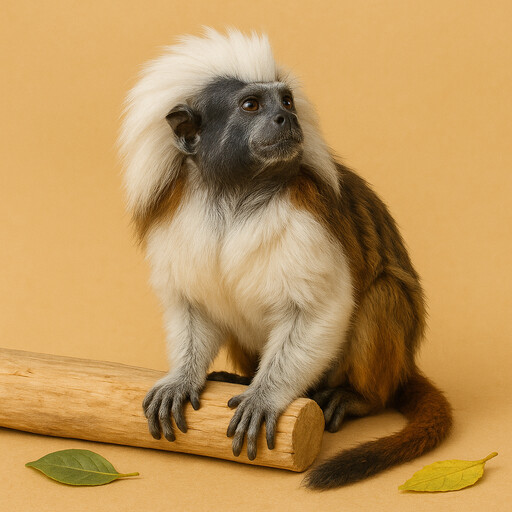
Tamarin
Tiny monkeys with bold mustaches
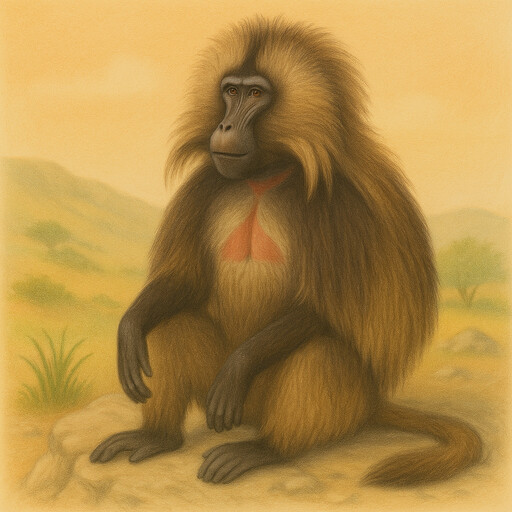
Gelada
Grass-eating monkeys of the highlands
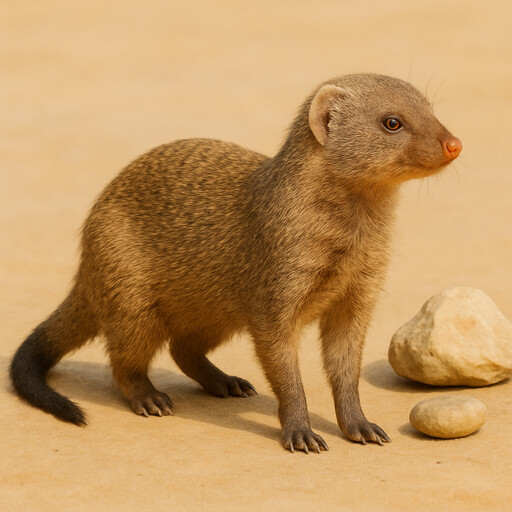
Mongoose
Quick hunters with shared dens
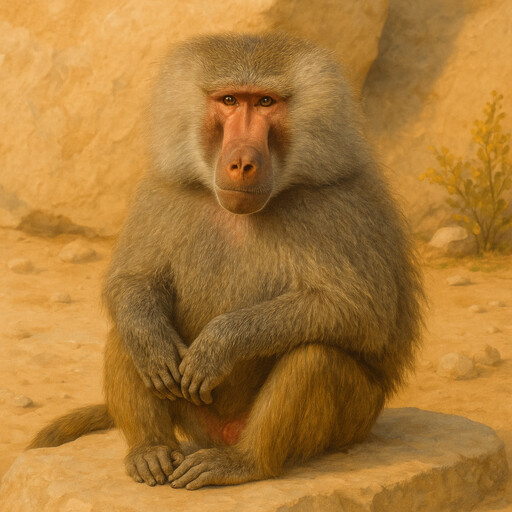
Baboon
Savanna troubleshooters