Botany is the branch of science that studies plants. Plants include trees, grasses, flowers, mosses, and many other green living things. Botany looks at how plants grow, how they make food, how they reproduce, and where they live. A scientist who studies plants is called a botanist. Botany helps describe the natural world by explaining how plant life is formed and how it changes over time.
Plants are living organisms that usually make their own food. They do this through a process called photosynthesis. Photosynthesis is the way plants use sunlight, water, and air to make sugar for energy. Most plants have roots, stems, and leaves. Roots hold the plant in the ground and take in water. Stems support the plant. Leaves collect sunlight. Botany studies these parts and how they work together to keep the plant alive.
Botany also studies how plants are grouped. This is called classification. Classification means putting plants into groups based on shared features. For example, flowering plants produce flowers and seeds, while ferns reproduce using spores. Trees such as pine are conifers, which means they make seeds in cones. By comparing shape, size, and structure, botanists can describe how plants are related to one another.
Plants live in many different environments. Some grow in forests, others in deserts, grasslands, or water. The place where a plant naturally grows is called its habitat. Botany examines how plants survive in these places. Cactus plants store water in thick stems. Water plants have leaves that float. These differences help plants live in their surroundings. Botany records these features and explains how they appear in different regions of the world.
People have studied plants for thousands of years. Early farming societies learned how to grow crops such as wheat, rice, and corn. In ancient Greece, a scholar named Theophrastus wrote early books about plants. He is often called the “father of botany.” Over time, tools like microscopes allowed scientists to see plant cells, which are tiny units that make up all living things. This helped botany describe plants in greater detail.
Today, botany is part of modern science. Botanists work in fields, forests, gardens, and laboratories. They collect plant samples, draw diagrams, and record data. Botany connects with other sciences such as ecology, which studies living things and their environments, and biology, which studies all life. By describing plants carefully, botany adds to knowledge about the living world and its variety.
Botany
Level
readlittle.com
The study of plants and plant life
What We Can Learn
- Botany is the science that studies plants.
- Plants make their own food through photosynthesis.
- Botanists classify plants into groups.
- Plants grow in many different habitats.
Related Reads

Eye
Organ used for seeing light
Paul Ehrlich
Pioneer of modern medical science

Sense
Ways humans receive information
Natural selection
How living things change over time

Dutch Golden Age
Period of Dutch global growth

Antarctic Treaty System
Agreements governing Antarctica
Alexander von Humboldt
Explorer of nature and the natural world

Evergreen
Plants that keep leaves year-round
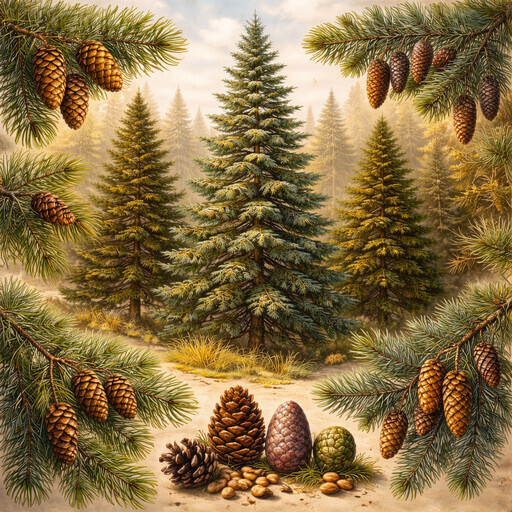
Conifer
Cone-bearing trees and shrubs
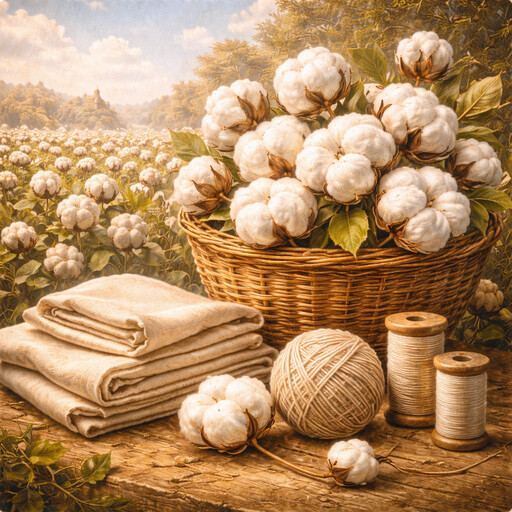
Cotton
A natural fiber from plants

Maple
A tree with leaves and sweet sap

Dormancy
A temporary state of inactivity