Evergreen is a word used to describe plants that keep their leaves all year. Unlike some plants, evergreens do not lose all their leaves at one time. They remain green during spring, summer, autumn, and winter. Many trees, shrubs, and other plants are evergreen.
Evergreen plants are different from deciduous plants. Deciduous plants lose their leaves during a certain season, usually autumn. Evergreen plants replace their leaves slowly. Old leaves fall while new ones grow. Because of this, the plant never looks bare. This slow change helps the plant survive in many climates.
Most evergreen trees have leaves shaped like needles or thick scales. Examples include pine, fir, and spruce trees. Needle-shaped leaves have a small surface area. This helps reduce water loss. Thick leaves are often covered with a waxy layer. The wax protects the leaf from cold, wind, and dry air.
Evergreens can be found in many parts of the world. They grow in cold regions, warm regions, and places with little rainfall. In cold areas, evergreen forests often cover large lands. In warmer places, evergreen plants may include trees with broad leaves, such as some tropical species.
The green color of evergreen leaves comes from chlorophyll. Chlorophyll is a substance that helps plants use sunlight to make food. Evergreen leaves keep chlorophyll year-round. This allows the plant to continue this process whenever conditions allow, even during mild winters.
Evergreen plants play an important role in natural environments. They provide shelter for animals throughout the year. Birds may nest in evergreen trees. Other animals use them for protection from weather. Evergreen forests also help shape landscapes and plant communities.
Evergreen
Level
readlittle.com
Plants that keep leaves year-round
What We Can Learn
- Evergreen plants keep their leaves all year.
- They replace leaves slowly instead of all at once.
- Many have needle-shaped or thick leaves.
- Evergreens grow in many climates worldwide.
Related Reads
Botany
The study of plants and plant life
Conifer
Cone-bearing trees and shrubs
Cotton
A natural fiber from plants
Maple
A tree with leaves and sweet sap
Deciduous
Plants that lose leaves seasonally
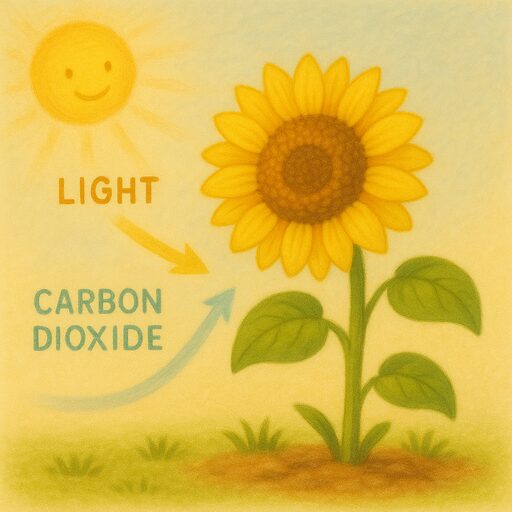
Photosynthesis
How plants make food using light
Cactus
Plant adapted to dry environments
Plant
Living organism that makes its own food
Jurassic
Middle period of the Mesozoic era
Poppy
A bright flower with colorful petals
Amber
Golden fossilized tree resin
Herbivore
Animal that eats only plants