The New World is a term used by Europeans from the late 1400s onward. It described lands that were unknown to them before long sea voyages. The New World mainly refers to North America, South America, and nearby islands. These lands lie west of Europe, across the Atlantic Ocean.
Before the late 15th century, Europeans knew about Europe, Asia, and Africa. These regions were sometimes called the Old World. Trade routes connected these places by land and sea. When sailors began to travel farther west, they reached lands that were not part of these known routes.
In 1492, Christopher Columbus sailed west from Europe. He reached islands in the Caribbean Sea. He believed he had arrived in Asia. Later explorers showed that these lands were part of a different continent. Over time, Europeans used the term New World to describe these regions.
The New World was already home to many people before Europeans arrived. These people are often called Indigenous peoples, meaning the original inhabitants of a place. Large civilizations existed, such as the Aztec Empire in Mesoamerica and the Inca Empire in South America. Many smaller groups lived across the continents.
After contact between the Old World and the New World, travel increased across the Atlantic. Plants, animals, and goods moved between the two regions. This exchange is often called the Columbian Exchange. For example, crops like maize and potatoes spread to Europe, while horses and wheat were brought to the Americas.
Over time, European countries claimed land in the New World. They formed colonies, which are areas controlled by another country. These colonies changed the history, population, and borders of the Americas. Today, the term New World is mainly used in history to describe this period of contact and exploration.
New World
Level
readlittle.com
Lands across the Atlantic Ocean
What We Can Learn
- The New World refers mainly to the Americas.
- The term was used by Europeans after 1492.
- Indigenous peoples lived there long before Europeans.
- The New World and Old World became connected by travel.
Related Reads
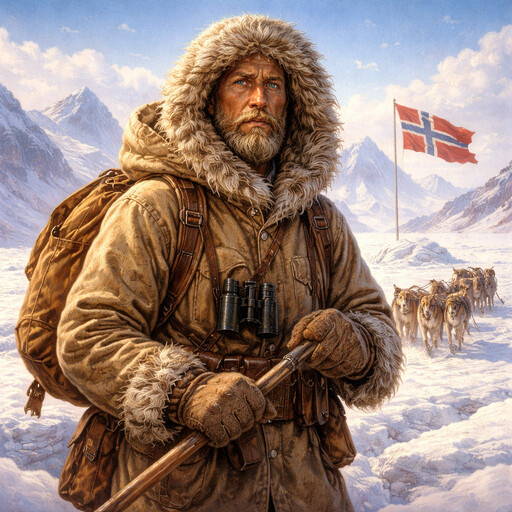
Roald Amundsen
Norwegian polar explorer
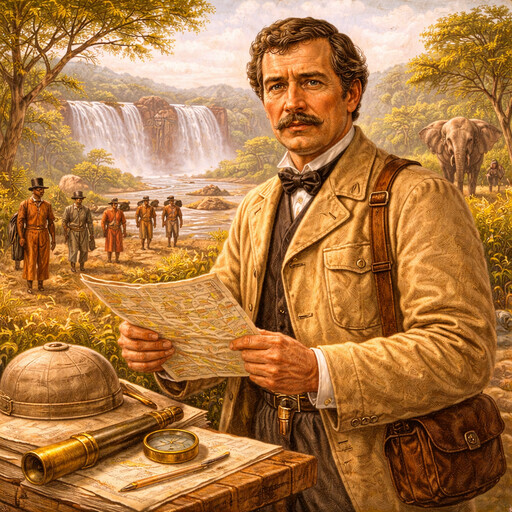
David Livingstone
Scottish explorer of Africa
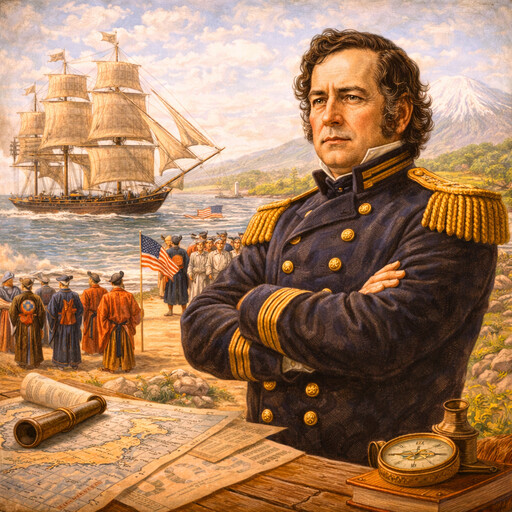
Perry Expedition
American naval mission to Japan
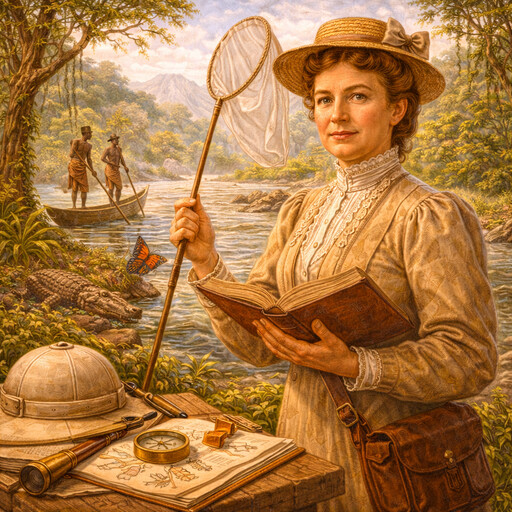
Mary Kingsley
British traveler and writer in West Africa
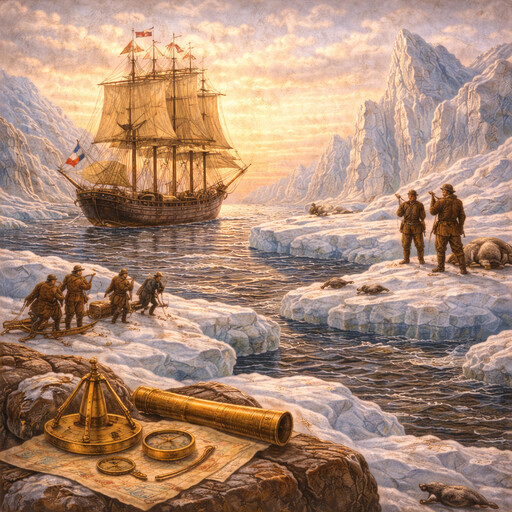
Northwest Passage
A sea route through Arctic waters
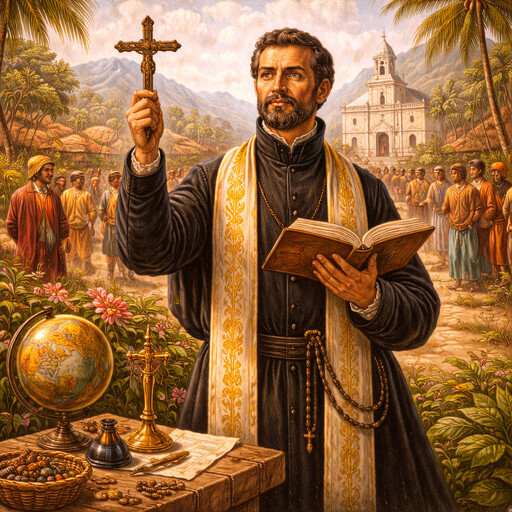
Francis Xavier
Missionary who traveled across Asia

Lewis and Clark Expedition
Exploring the land west of the Mississippi
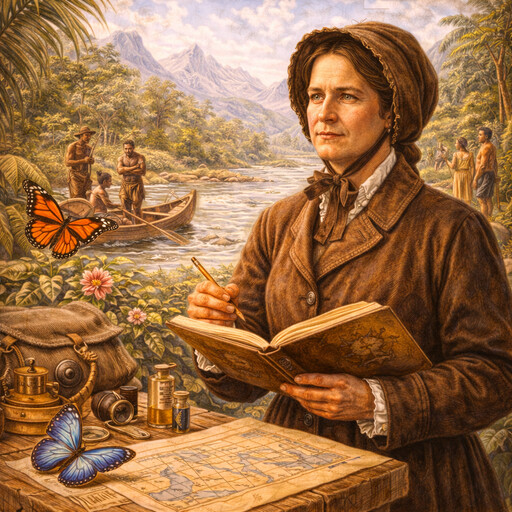
Ida Laura Pfeiffer
A traveler who journeyed around the world
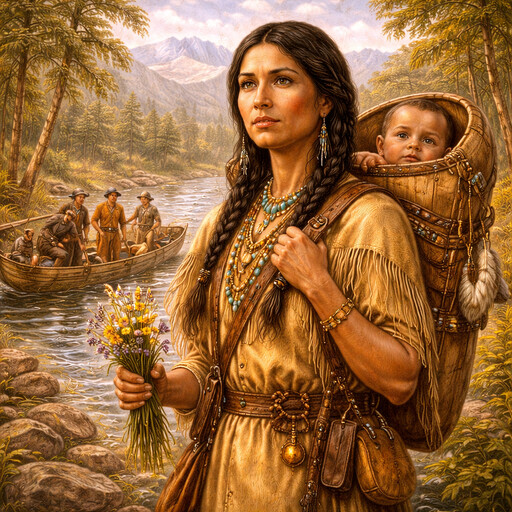
Sacagawea
Guide and interpreter of a western expedition

William Clark
Leader of a famous American exploration
John Franklin
British explorer of the Arctic
Zheng He
Admiral who led great ocean voyages