Henry I of England was a Norman king who ruled from 1100 to 1135. He was the youngest son of William the Conqueror, the Norman ruler who took control of England in 1066. Henry became king after the sudden death of his brother William II. His reign is remembered for efforts to build order, strengthen royal law, and manage lands on both sides of the English Channel.
Henry grew up in a royal family where learning was valued. Because of this, later writers gave him the name Beauclerc, which means fine scholar. A scholar is a person who studies reading, writing, and learning. Henry used record keeping and written rules to support his government. These efforts helped make the king’s decisions clearer to nobles and local officials.
During Henry’s rule, he worked to gain control of Normandy, a region in northern France that had been ruled by his father. Normandy was claimed by Henry’s older brother Robert. Henry defeated Robert in battle and took control of the region. This meant that Henry ruled both England and Normandy, which required careful leadership. A region is an area of land with shared features or history.
Henry also made changes to law and government. He issued a charter, which is a written promise describing rights and duties. This document was meant to limit unfair payments and protect certain customs. A custom is a usual way of doing something, such as how land is passed down or how taxes are collected. Henry also expanded the use of royal judges, who traveled to different areas to hear cases. These steps helped create more unity across the kingdom.
Henry’s family life greatly affected the future of England. His only legitimate son, William, died in 1120 in the White Ship disaster, when a ship carrying many nobles sank off the coast of Normandy. After this tragedy, Henry named his daughter Matilda as his heir. An heir is a person who becomes ruler after a king or queen dies. However, some nobles were unsure about accepting a woman as ruler in that time period. When Henry died in 1135, his nephew Stephen claimed the crown.
Henry’s death led to a long period of civil conflict known as the Anarchy. Matilda and Stephen both claimed the throne, which caused many years of fighting. Although Henry had worked to create stability, the question of succession showed how fragile royal power could be. His reign helped shape early English government, and many of his actions influenced later kings who ruled after the Norman Conquest.
Henry I
Level
readlittle.com
A Norman king who shaped early England
What We Can Learn
- Henry I ruled England from 1100 to 1135.
- He gained control of both England and Normandy.
- He used written rules and traveling judges to support government.
- His death without a clear accepted heir led to the Anarchy.
Related Reads

Balkans
Southeastern European region
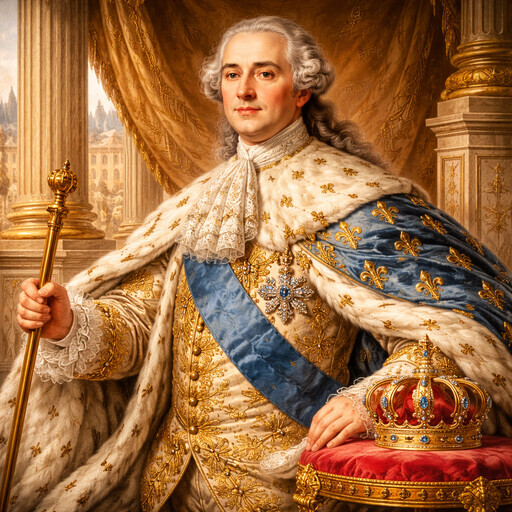
Louis XVI
Last king of France before revolution
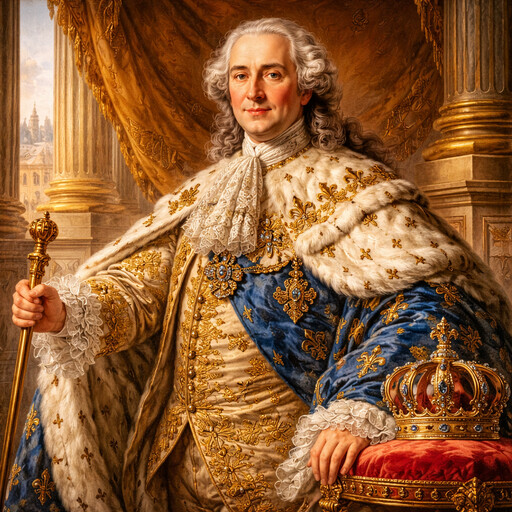
Louis XV
King of France in the 1700s

War of the Austrian Succession
European war over imperial inheritance

War of the Spanish Succession
European war over Spanish throne
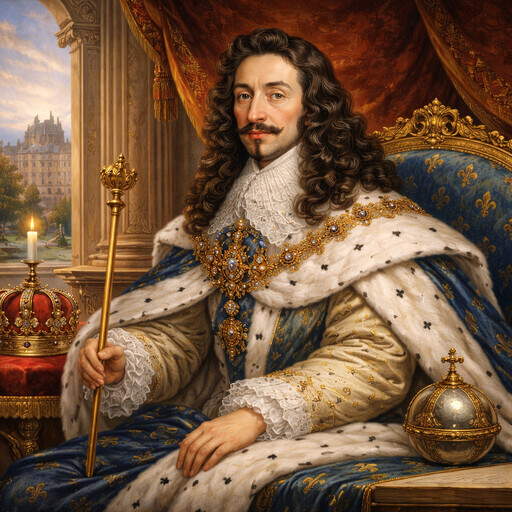
Louis XIII
King of France in the early 1600s
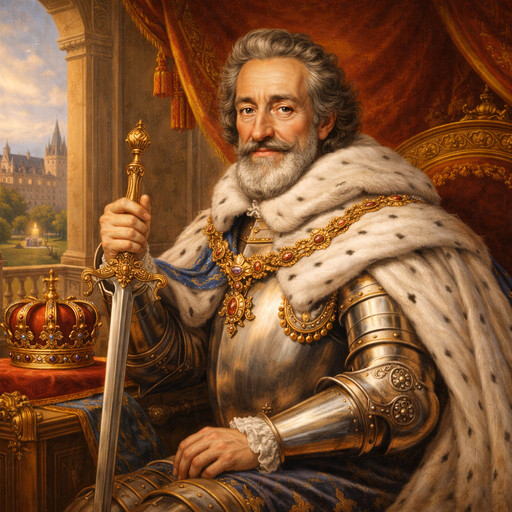
Henry IV of France
First Bourbon king of France

Western Europe
Region of countries in western Europe

Eastern Europe
Region of countries in eastern Europe
George I
First king of the House of Hanover
House of Tudor
Royal family of England and Wales
Edward IV
Yorkist king of England