George I of Great Britain was king from 1714 until his death in 1727. He was born in 1660 in Hanover, a German state in Europe. Before becoming king, he was known as George Louis, Elector of Hanover. An elector was a ruler with the right to help choose the Holy Roman Emperor. George became king of Great Britain because he was the closest Protestant relative of Queen Anne.
George I became king after the death of Queen Anne, who had no surviving children. At that time, English law required that the monarch be Protestant. A Protestant is a Christian who does not follow the Roman Catholic Church. This rule was set by the Act of Settlement in 1701, a law that decided who could inherit the throne. Because of this law, George was chosen over closer Catholic relatives.
George I ruled over both Great Britain and Hanover. Great Britain included England and Scotland, which had joined in 1707. George spent much of his time in Hanover and did not often live in Britain. He spoke little English and relied on advisers to help him govern. These advisers were called ministers, people who manage government business for the monarch.
During George I’s reign, the role of Parliament became stronger. Parliament is the group of elected representatives who make laws and approve taxes. Because George depended on ministers, they began to lead the government more directly. One important minister was Robert Walpole, who is often described as the first prime minister. A prime minister is the main leader of the government.
George I’s reign also faced political problems. Some people supported the Jacobites, a group that wanted to restore the Stuart family to the throne. The Stuarts had ruled before Queen Anne. In 1715, a Jacobite rebellion took place, but it failed. A rebellion is an armed attempt to oppose the government.
George I died in 1727 while traveling in Germany. He was buried in Hanover. His son became king as 'George II. George I is remembered as the first Hanoverian king and as a ruler during a time when power slowly shifted from the monarch to Parliament.
George I
Level
readlittle.com
First king of the House of Hanover
What We Can Learn
- George I was the first king from the House of Hanover
- He became king after Queen Anne died in 1714
- Parliament became more powerful during his reign
- He ruled both Great Britain and Hanover
Related Reads
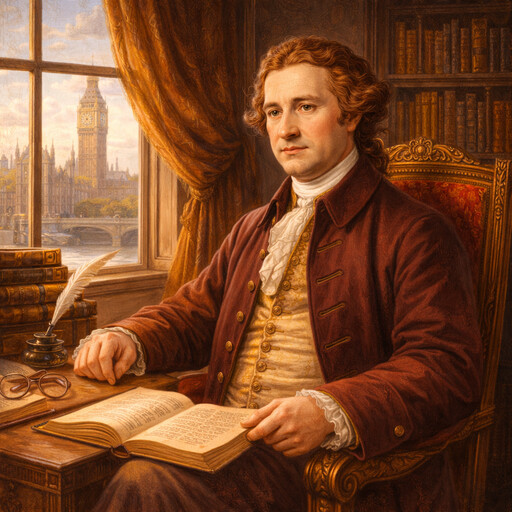
Edmund Burke
British statesman and political writer
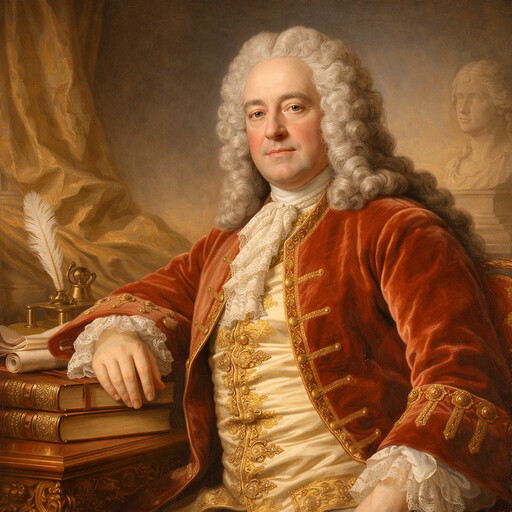
Robert Walpole
Early leader of Britain’s government

David Lloyd George
British prime minister during World War I
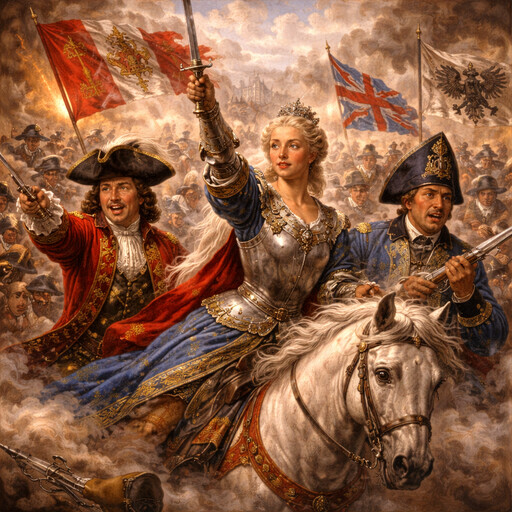
War of the Austrian Succession
European war over imperial inheritance

War of the Spanish Succession
European war over Spanish throne
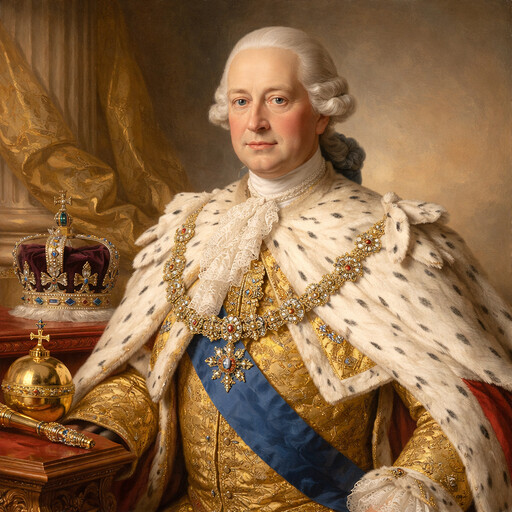
George III
Long-reigning British king of the eighteenth century
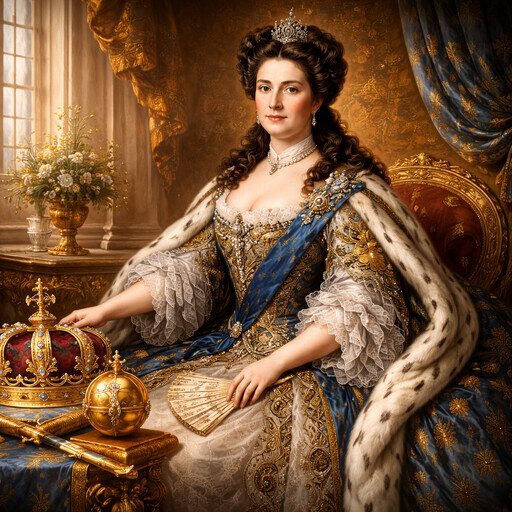
Anne of Great Britain
Queen during the union of Britain
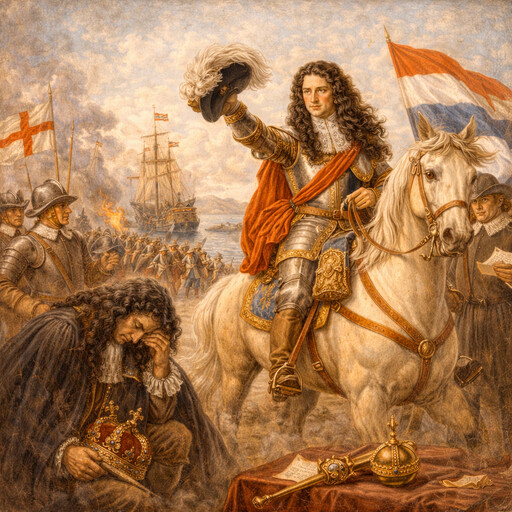
Glorious Revolution
Peaceful change of English monarchy
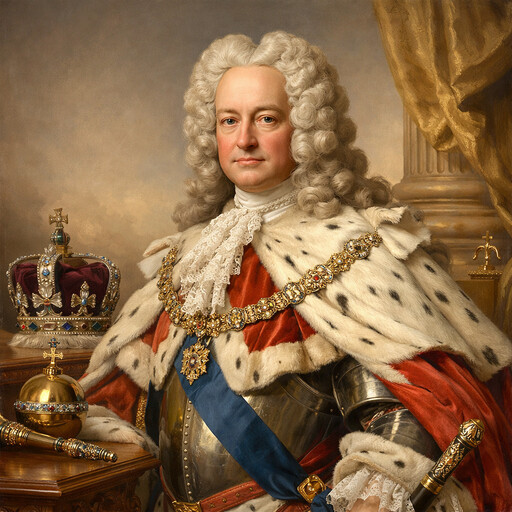
George II
Second king of the House of Hanover
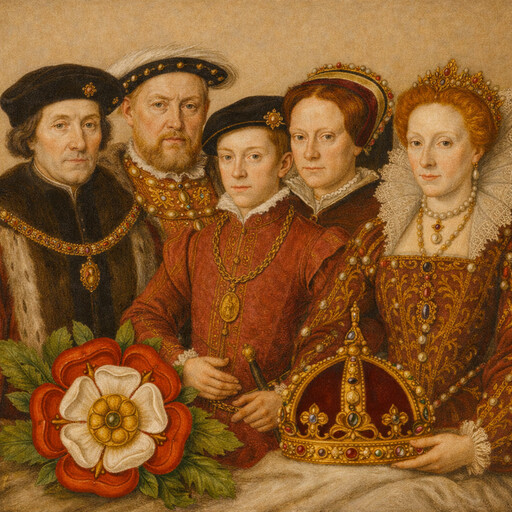
House of Tudor
Royal family of England and Wales

Charles I of England
King during civil war and execution
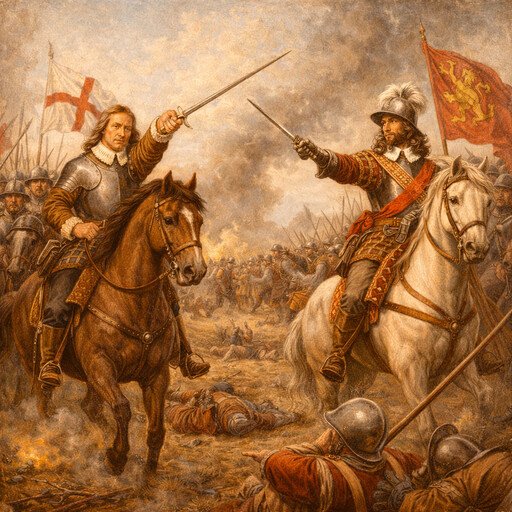
English Civil War
Conflict between king and Parliament