The House of Tudor was a royal family that ruled England and Wales from 1485 until 1603. A royal family that rules is called a dynasty. The Tudors came to power after a long period of conflict known as the Wars of the Roses. This was a series of battles between noble families for control of the English throne. The Tudor period is known for strong rulers and major changes in English history.
The Tudor dynasty began with Henry VII. He became king in 1485 after defeating Richard III at the Battle of Bosworth Field. This battle ended the Wars of the Roses. Henry VII worked to bring stability to the country. He strengthened royal finances and reduced the power of rival nobles. His reign marked the start of a more controlled and organized monarchy.
Henry VII was succeeded by his son, Henry VIII. Henry VIII ruled from 1509 to 1547. He is known for his six marriages and for changing England’s relationship with the Roman Catholic Church. When the pope refused to approve Henry’s divorce, Henry separated the Church of England from papal authority. This event is called the English Reformation. It made the king the head of the Church of England.
After Henry VIII’s death, his children ruled in turn. His son Edward VI became king in 1547 at the age of nine. Because Edward was young, the country was governed by advisers. During his reign, Protestant practices increased. Edward died in 1553. He was followed by his half-sister Mary I, who ruled from 1553 to 1558. Mary restored Roman Catholic rule and married Philip of Spain. Her reign was short and ended without children.
The last Tudor monarch was Elizabeth I, who ruled from 1558 to 1603. Elizabeth was the daughter of Henry VIII and Anne Boleyn. She restored Protestant rule and governed for forty-four years. Elizabeth never married and had no children. During her reign, England faced foreign threats, including an attempted invasion by the Spanish Armada in 1588. Elizabeth’s long rule brought continuity after earlier changes.
The House of Tudor ended with Elizabeth I’s death in 1603. Since she had no heir, the throne passed to James VI of Scotland, who became 'James I of England. This began the Stuart dynasty. Although the Tudor period was relatively short, it included major events that shaped the monarchy, religion, and government of England for centuries to come.
House of Tudor
Level
readlittle.com
Royal family of England and Wales
What We Can Learn
- The Tudors ruled England from 1485 to 1603
- The dynasty began with Henry VII
- Tudor rulers included Henry VIII and Elizabeth I
- The dynasty ended when Elizabeth I died without an heir
Related Reads
Peace of Augsburg
Religious settlement in the Holy Roman Empire
War of the Austrian Succession
European war over imperial inheritance

War of the Spanish Succession
European war over Spanish throne
John Calvin
Reformer in sixteenth-century Europe
Charles V
Ruler of a vast European empire
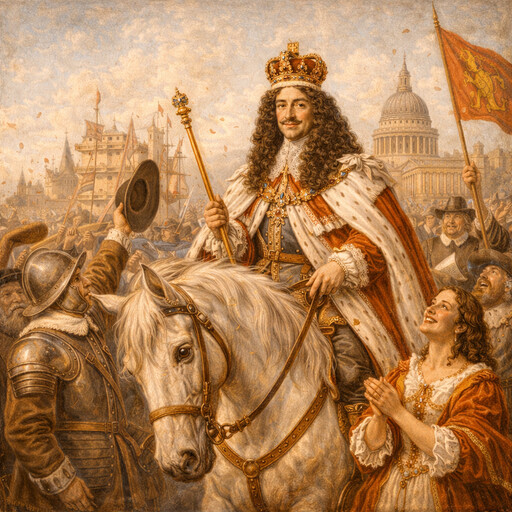
Stuart Restoration
Return of monarchy in 1660
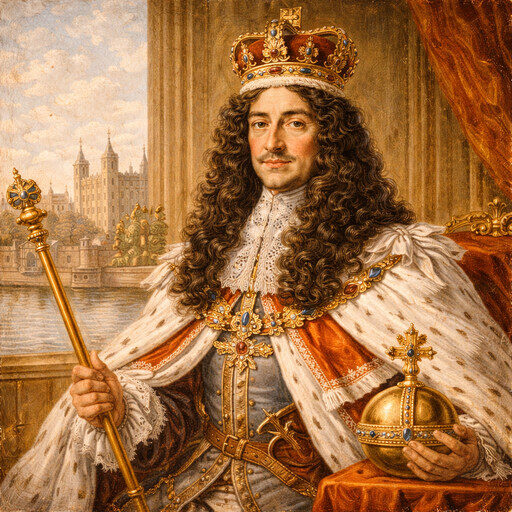
James II
King removed during political change
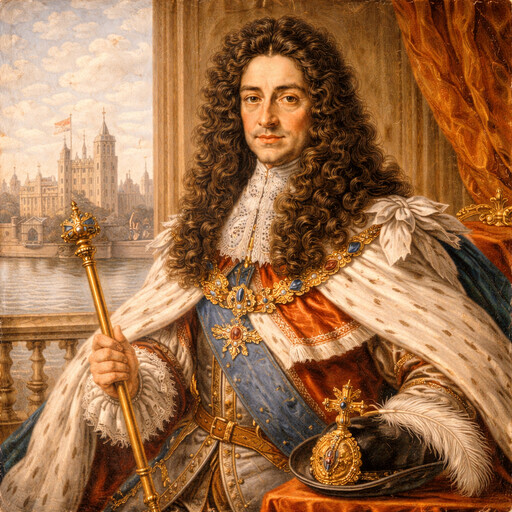
William III of England
King after the Glorious Revolution
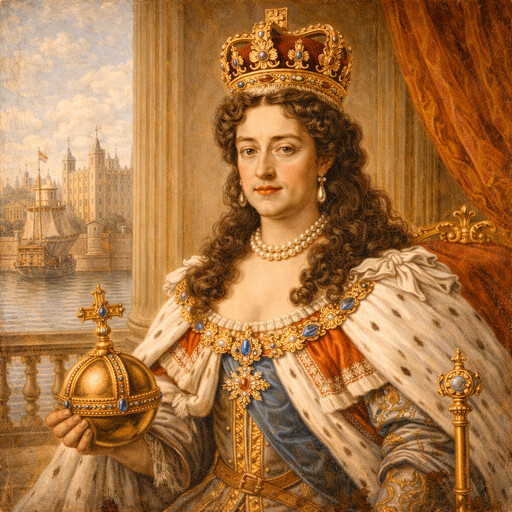
Mary II
Queen who ruled jointly
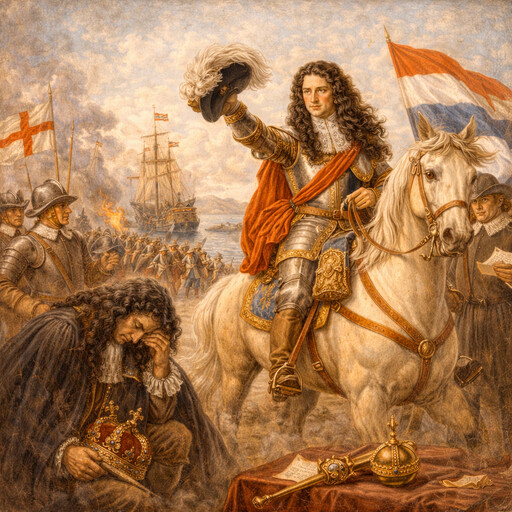
Glorious Revolution
Peaceful change of English monarchy
Protestantism
A major branch of Christianity
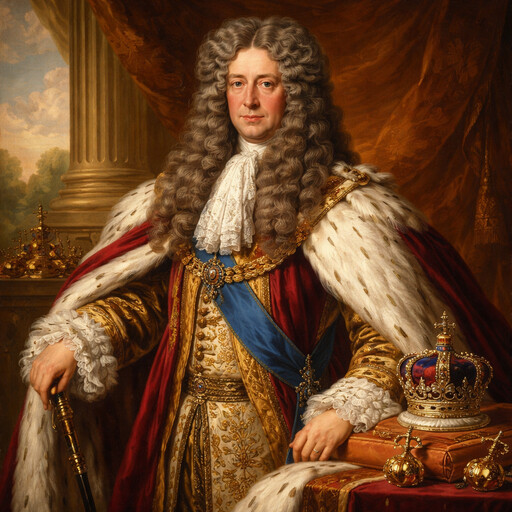
George I
First king of the House of Hanover