The War of the Spanish Succession was a large war fought mainly in Europe between 1701 and 1714. It began after the death of Charles II of Spain. Charles II had no children, so there was no clear heir. An heir is a person who is next in line to inherit a throne. Many rulers feared that one family might gain too much power if it controlled Spain and its lands.
Before he died, Charles II named Philip of Anjou as his heir. Philip was the grandson of Louis XIV of France. If Philip ruled Spain, France and Spain could be closely linked. Other European powers worried that this would upset the balance of power. Balance of power means that no single country becomes too strong compared to others.
To oppose Philip, several countries formed an alliance. This group included England, the Dutch Republic, the Holy Roman Empire, and Austria. They supported Archduke Charles of Austria as a rival claimant to the Spanish throne. A claimant is a person who says they have a right to rule. The war became a struggle between two large sides, each supported by different European states.
Fighting took place in many regions. Battles were fought in Spain, the Spanish Netherlands, Italy, and parts of Germany. The war also spread beyond Europe. In North America, fighting between English and French colonies became part of the conflict. This colonial fighting is often called Queen Anne’s War. At sea, navies fought to protect trade routes and ports.
The war involved long campaigns and large armies. Some famous military leaders took part, including John Churchill, Duke of Marlborough, who led allied forces in several major battles. These battles did not fully decide the war, but they affected which side controlled certain areas. Over time, many countries became tired of the long fighting and high costs.
The War of the Spanish Succession ended with a series of agreements known as the Treaty of Utrecht, signed in 1713, and later treaties in 1714. Philip of Anjou was accepted as Philip V of Spain, but he was not allowed to unite France and Spain under one ruler. Spain lost some territories in Europe to other powers. The war changed borders and agreements across Europe and ended one of the longest conflicts of the early 1700s.
War of the Spanish Succession
Level
readlittle.com
European war over Spanish throne
What We Can Learn
- The war lasted from 1701 to 1714.
- It began after the death of Charles II of Spain.
- European powers fought over who should rule Spain.
- The war ended with the Treaty of Utrecht.
Related Reads
No image
Vienna
Capital city on the Danube River

Revolutions of 1848
Uprisings across Europe in 1848

Munich Agreement
1938 agreement over Czechoslovak territory

Vilnius
Historic capital city of Lithuania

Molotov–Ribbentrop Pact
Non-aggression agreement before World War II

Peter the Great
Russian ruler who reshaped his country
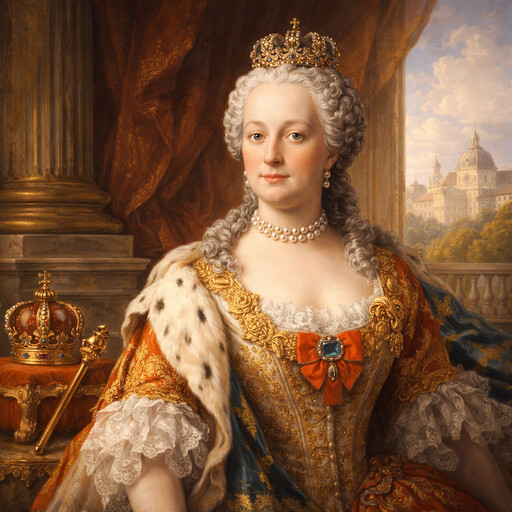
Maria Theresa
Powerful ruler of the Habsburg lands

Polish–Soviet War
War over borders after World War I

Ivan III
Founder of a unified Russian state
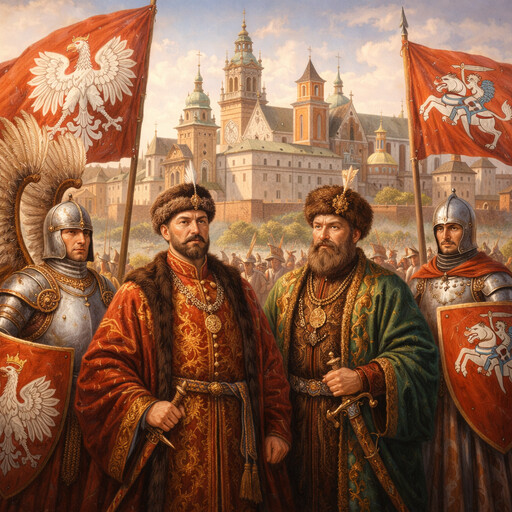
Polish–Lithuanian Commonwealth
A large early modern European state
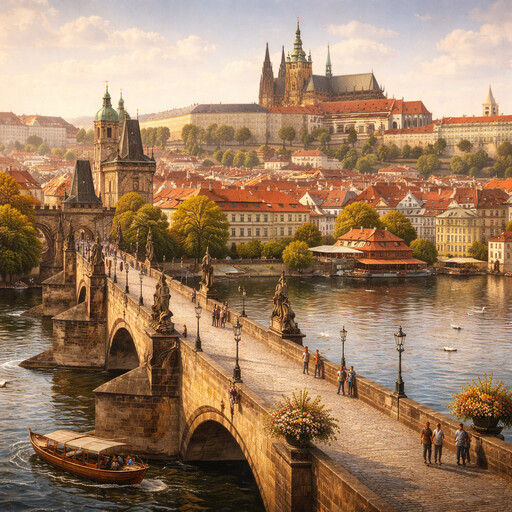
Prague
Historic capital city of the Czech Republic
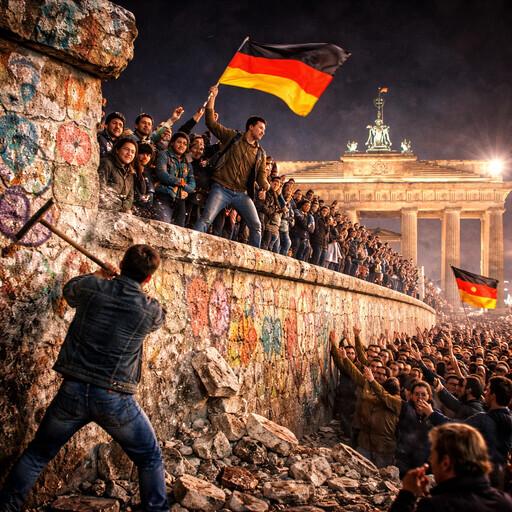
Fall of the Berlin Wall
End of Germany’s divided barrier