Westminster Abbey is a large church in central London, near the River Thames. It is one of the most important religious buildings in the United Kingdom. The abbey has been the place where English and later British monarchs are crowned. A coronation is a ceremony in which a new king or queen officially becomes ruler. Westminster Abbey is also known for royal weddings, funerals, and burials.
The site of Westminster Abbey has been used for religious purposes since at least the tenth century. An early church was built there during the reign of King Edward the Confessor. Edward ordered a new stone church to be built, and it was completed in 1065. Edward died shortly after, and he was buried in the church. He later became known as Saint Edward the Confessor.
In 1066, William the Conqueror was crowned king at Westminster Abbey. Since then, almost every English and British monarch has been crowned there. The abbey became closely linked to royal power and national ceremonies. Over time, the building was rebuilt and expanded. Most of the current structure dates from the thirteenth century, during the reign of Henry III.
Westminster Abbey is built in the Gothic style. Gothic architecture is a type of building design with tall ceilings, pointed arches, and large stained-glass windows. The abbey’s long central aisle is called the nave. It leads to the high altar, which is the main area used for worship. The building is made of stone and has many chapels along its sides.
Many important people are buried or remembered in Westminster Abbey. These include kings, queens, writers, scientists, and politicians. One well-known area is called Poets’ Corner. Writers such as Geoffrey Chaucer and Charles Dickens are buried or honored there. The abbey also contains tombs and memorials that record many centuries of British history.
Today, Westminster Abbey remains an active church. Regular services are still held there. At the same time, it is open to visitors from around the world. The abbey is not a cathedral, which means it is not led by a bishop. Instead, it is directly responsible to the monarch. Westminster Abbey is protected as a historic building and is recognized as a World Heritage Site.
Westminster Abbey
Level
readlittle.com
Historic church of coronations and burials
What We Can Learn
- Westminster Abbey is used for royal coronations
- The church dates back to the tenth century
- Many monarchs and notable people are buried there
- It is both a church and a historic site
Related Reads
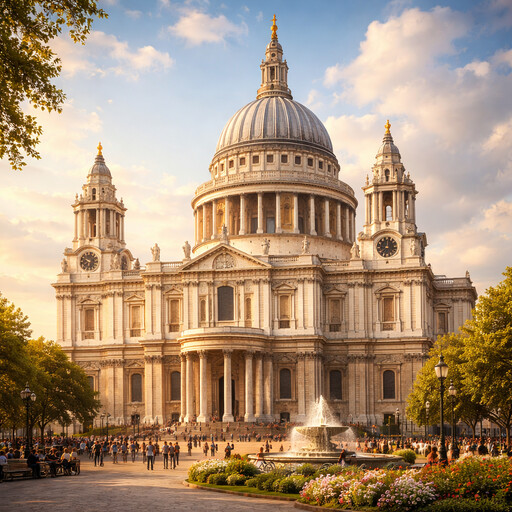
St Paul's Cathedral
Historic cathedral with a great dome
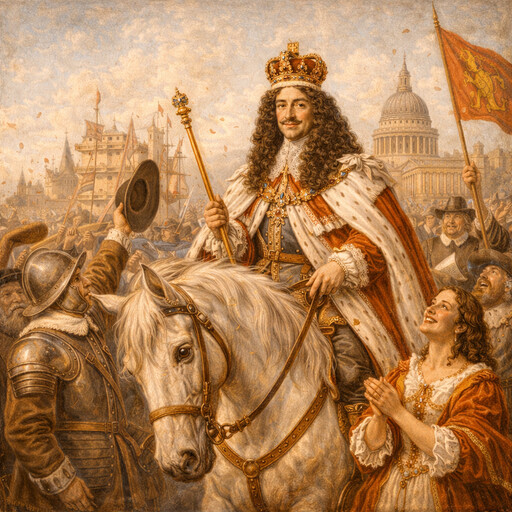
Stuart Restoration
Return of monarchy in 1660
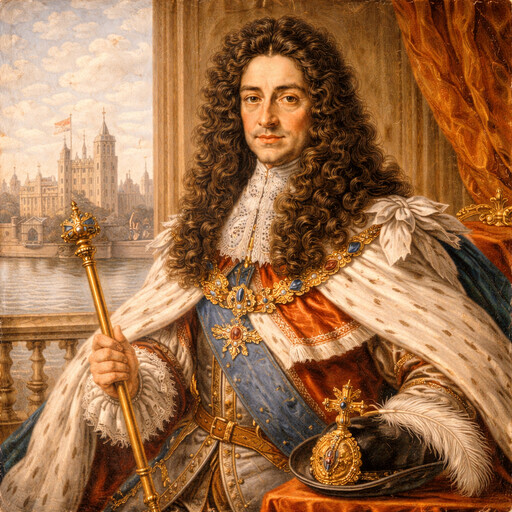
William III of England
King after the Glorious Revolution
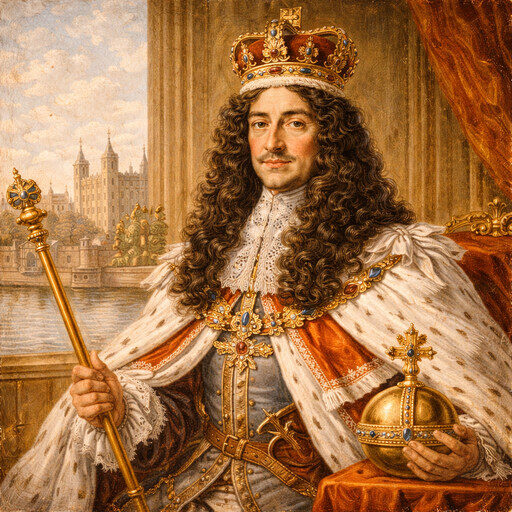
James II
King removed during political change
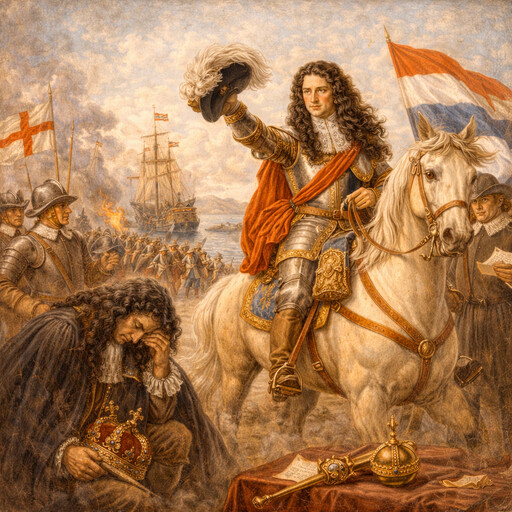
Glorious Revolution
Peaceful change of English monarchy
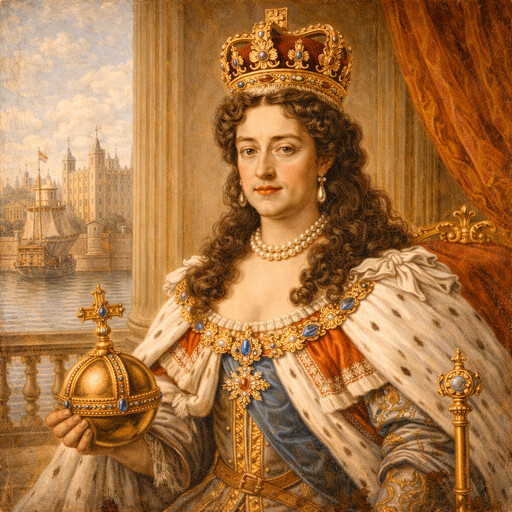
Mary II
Queen who ruled jointly
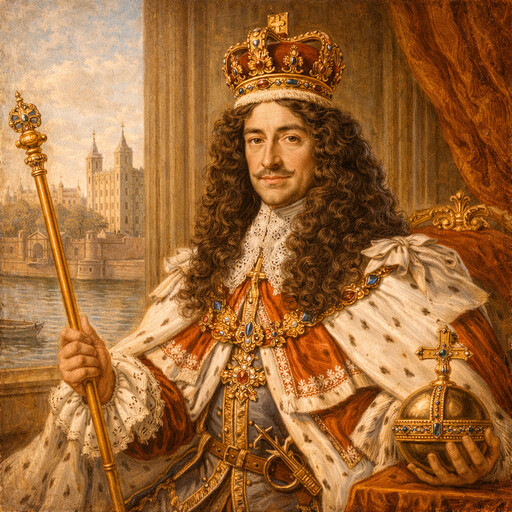
Charles II of England
King restored after civil war

English Civil War
Conflict between king and Parliament
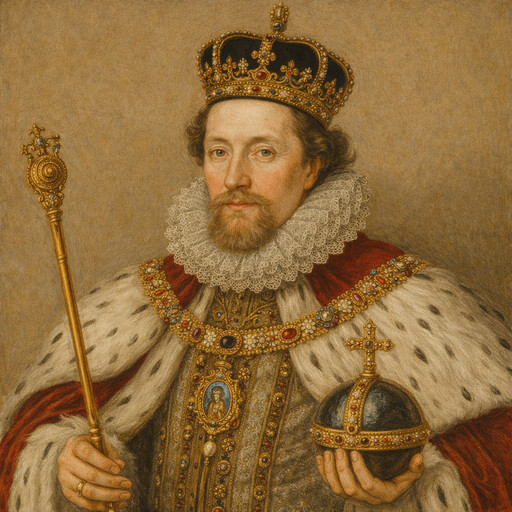
James VI and I
King of Scotland, England, and Ireland
House of Tudor
Royal family of England and Wales
Reformation
Religious change in sixteenth-century Europe
Tower of London
Historic fortress beside the River Thames