Edward VI was King of England and Ireland from 1547 until his death in 1553. He was born in 1537 and became king at the age of nine. Edward was the son of Henry VIII and Jane Seymour. Because Edward was very young, he did not rule on his own. Instead, the government was led by adult advisers who acted in his name. His reign was short but marked by important changes in religion and government.
Edward was born on October 12, 1537, at Hampton Court Palace. His birth was celebrated because he was the long-awaited male heir to Henry VIII. Edward’s mother, Jane Seymour, died soon after his birth. Edward was carefully educated. He studied languages, history, and religion. Tutors taught him to read and write at an early age. Records show that Edward took part in lessons and kept written notes.
When Henry VIII died in January 1547, Edward became king. The country was ruled by a council called the Privy Council. A privy council is a group of advisers who help govern a country. At first, Edward’s uncle, Edward Seymour, Duke of Somerset, became the main leader. He was named Lord Protector, which meant he governed on behalf of the young king. Later, power passed to John Dudley, Duke of Northumberland.
During Edward’s reign, England moved further toward Protestant Christianity. Protestantism is a form of Christianity that developed during the Reformation. New prayer books were introduced for church services. The Book of Common Prayer was first used in 1549 and revised in 1552. Church decorations were removed in many places. These changes were ordered by the government and approved in Edward’s name.
Edward’s health was weak for much of his life. In 1553, he became seriously ill, likely with tuberculosis, a disease that affects the lungs. As his condition worsened, plans were made for who should rule after his death. Edward signed a document that named Lady Jane Grey as his successor. A successor is the person who takes the throne next. Edward died on July 6, 1553, at the age of fifteen.
After Edward’s death, Lady Jane Grey was proclaimed queen, but her rule lasted only nine days. She was replaced by Mary I, Edward’s older half-sister. Edward was buried in Westminster Abbey. His reign ended the direct rule of Henry VIII’s sons. The changes made during Edward’s time influenced later events in English history.
Edward VI
Level
readlittle.com
Young king of Tudor England
What We Can Learn
- Edward VI became king at the age of nine
- He ruled from 1547 to 1553
- England was governed by advisers during his reign
- Religious changes took place in his name
Related Reads
Peace of Augsburg
Religious settlement in the Holy Roman Empire
John Calvin
Reformer in sixteenth-century Europe
Charles V
Ruler of a vast European empire
Mary II
Queen who ruled jointly
Glorious Revolution
Peaceful change of English monarchy
William III of England
King after the Glorious Revolution
James II
King removed during political change
Protestantism
A major branch of Christianity
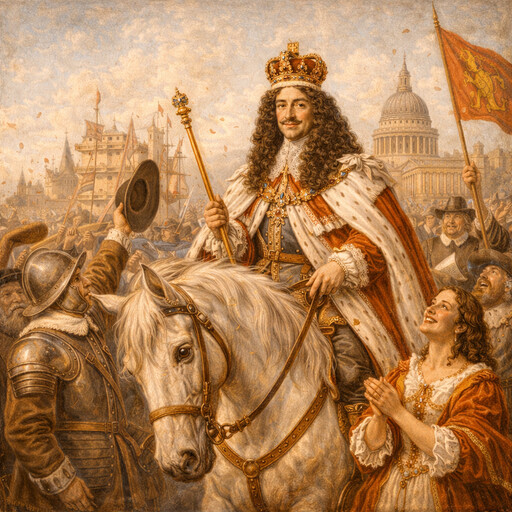
Stuart Restoration
Return of monarchy in 1660
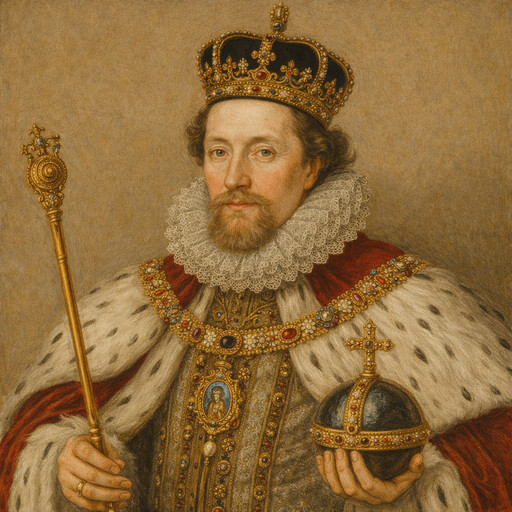
James VI and I
King of Scotland, England, and Ireland
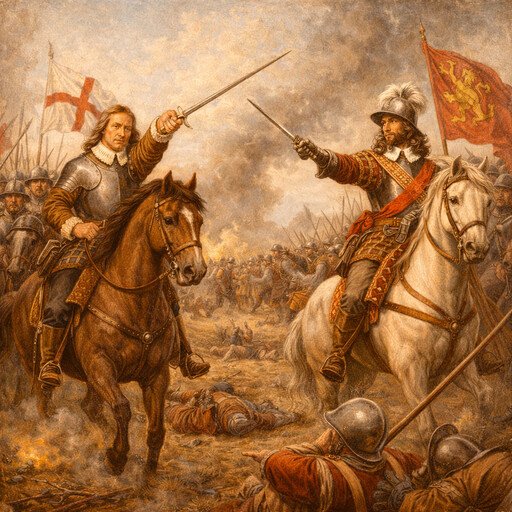
English Civil War
Conflict between king and Parliament
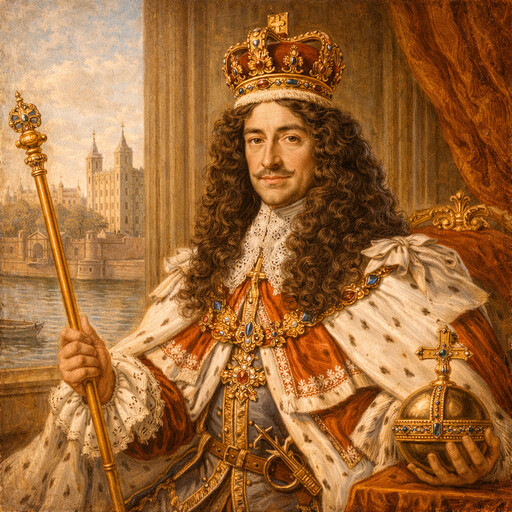
Charles II of England
King restored after civil war