The Stuart Restoration was the period when the monarchy was restored in England after years of civil war and republican rule. It began in 1660, when Charles II returned to England and became king. A restoration means the return of something that had been removed. In this case, it meant bringing back the Stuart royal family and the system of kingship.
Before the Restoration, England had gone through the English Civil War and the Commonwealth of England. King Charles I had been defeated by Parliament and executed in 1649. After this, England had no king. The country was ruled first by Parliament and later by Oliver Cromwell, who became Lord Protector. This period lasted more than ten years.
After Oliver Cromwell died in 1658, his son Richard Cromwell became Lord Protector. He did not have strong support from the army or Parliament. The government became unstable, which means it could not control events well. Different groups argued about how the country should be ruled. Many people wanted a clear and lasting government.
In 1660, Parliament decided to invite Charles II, the son of Charles I, to return from exile. Exile means living outside one’s own country. Charles II agreed to work with Parliament and respect the law. He entered London in May 1660 and was soon crowned king. This peaceful return marked the beginning of the Stuart Restoration.
After the Restoration, the monarchy, the House of Lords, and the Church of England were restored. Laws passed during the Commonwealth were reviewed, and many older systems were brought back. England was again ruled by a king, but Parliament continued to play an important role in making laws and approving taxes.
The Stuart Restoration ended the period of rule without a monarch. It shaped how England would be governed in the future, with power shared between the king and Parliament. Charles II ruled until his death in 1685, and the Stuart family continued to rule England after the Restoration.
Stuart Restoration
Level
readlittle.com
Return of monarchy in 1660
What We Can Learn
- The Restoration began in 1660
- Charles II returned as king
- It ended the Commonwealth period
- The Stuart monarchy was restored
Related Reads
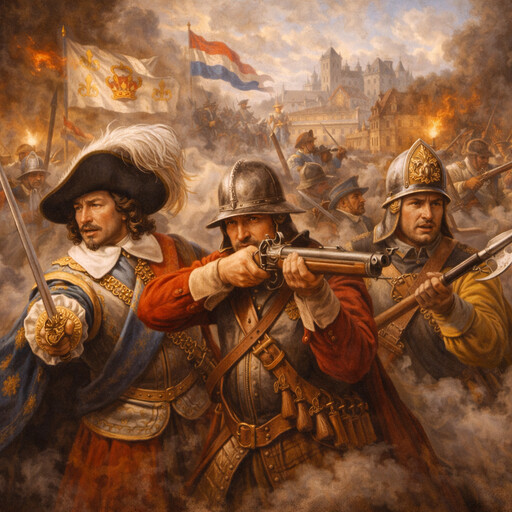
Nine Years' War
European war from 1688 to 1697
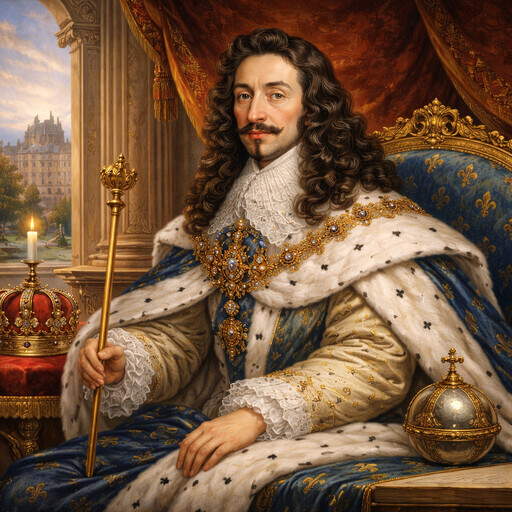
Louis XIII
King of France in the early 1600s
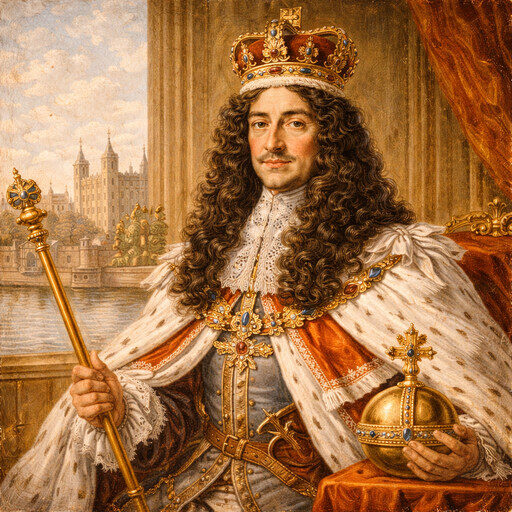
James II
King removed during political change
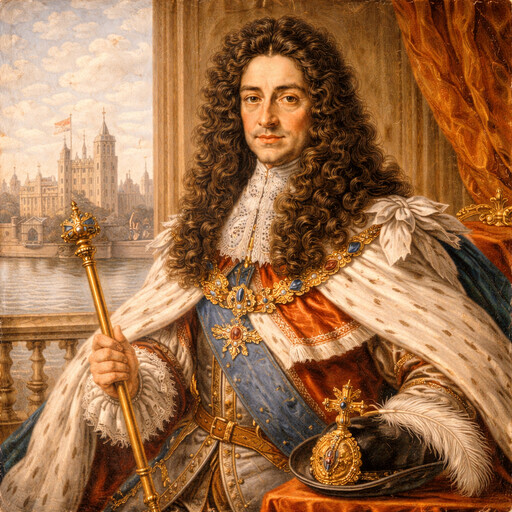
William III of England
King after the Glorious Revolution
Mary II
Queen who ruled jointly
Glorious Revolution
Peaceful change of English monarchy
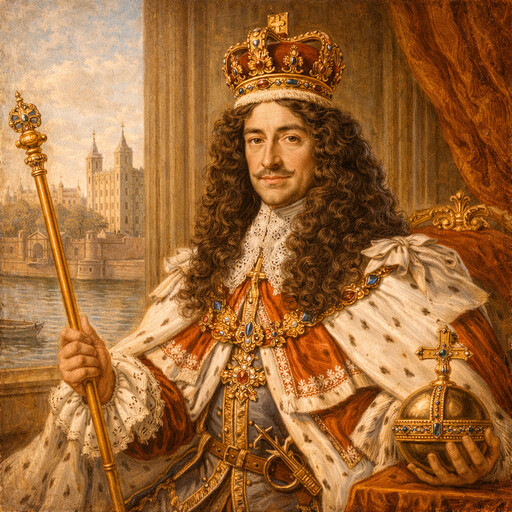
Charles II of England
King restored after civil war
House of Tudor
Royal family of England and Wales
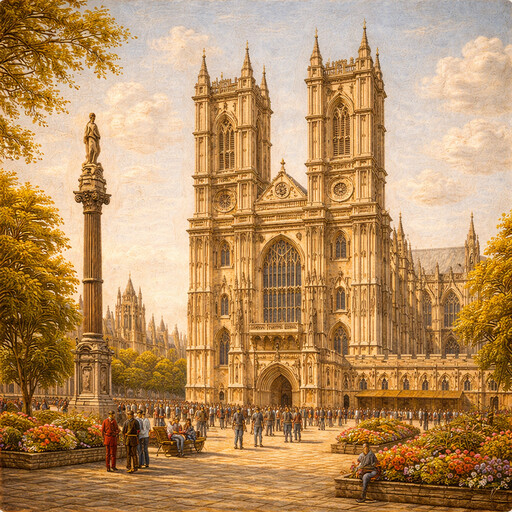
Westminster Abbey
Historic church of coronations and burials

Charles I of England
King during civil war and execution

Oliver Cromwell
Parliamentarian leader and Lord Protector
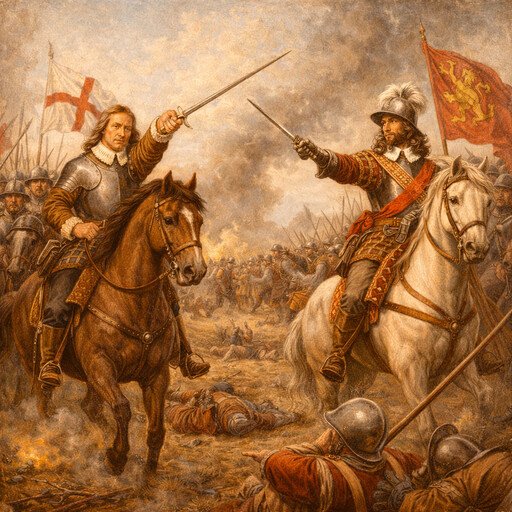
English Civil War
Conflict between king and Parliament