William III of England was king of England, Scotland, and Ireland from 1689 to 1702. In Scotland, he was known as William II. William became king after the Glorious Revolution, a political change that removed James II. He ruled at first together with his wife, Mary II, who was James II’s daughter.
William was born in 1650 in the Netherlands. He was known as William of Orange, a title that came from his family lands. Before coming to England, William was a ruler in the Dutch Republic, a state governed without a king. He was a Protestant leader in Europe and was involved in wars against France.
James II was removed from power in 1688 after losing support in England. Many leaders were worried about James’s actions and his Catholic religion. They invited William to come to England with an army. William landed in England in 1688. James II fled the country. Because James left, Parliament declared that he had given up the throne.
In 1689, William and Mary were offered the crown by Parliament. They accepted and were crowned joint monarchs. This was unusual because two people ruled together as king and queen. Parliament passed important laws at this time. One of these was the Bill of Rights, which limited the power of the monarch and strengthened the role of Parliament.
Mary II died in 1694. After her death, William III ruled alone. He continued to work with Parliament and led England during several wars in Europe. England, Scotland, and Ireland were ruled together under one crown. William spent much time abroad because of military campaigns.
William III died in 1702 after a riding accident. He had no children. After his death, Mary’s sister Anne became queen. William III’s reign helped establish that the monarch ruled with Parliament, not above it. This system shaped how England was governed in the future.
William III of England
Level
readlittle.com
King after the Glorious Revolution
What We Can Learn
- William III ruled from 1689 to 1702
- He came to power after the Glorious Revolution
- He ruled jointly with Mary II at first
- His reign strengthened Parliament’s role
Related Reads
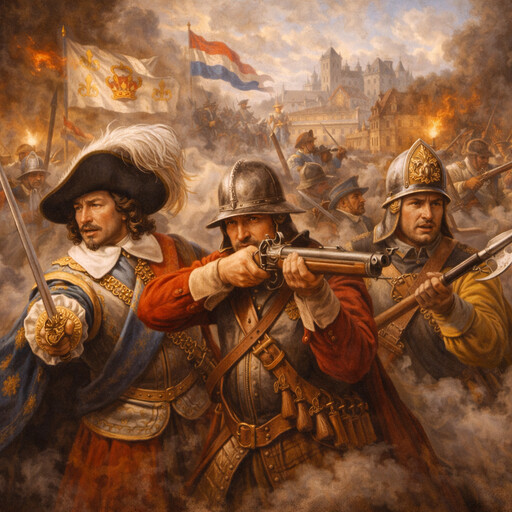
Nine Years' War
European war from 1688 to 1697
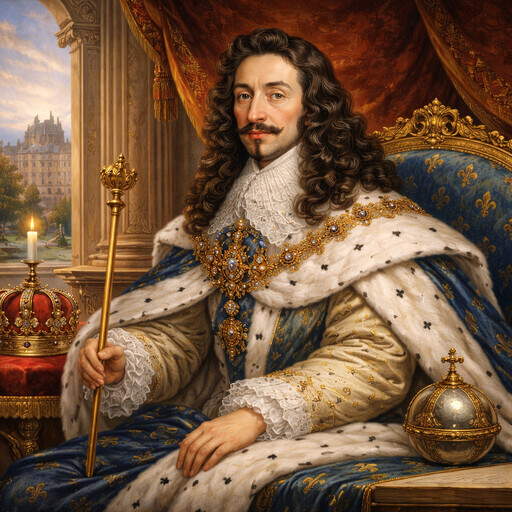
Louis XIII
King of France in the early 1600s
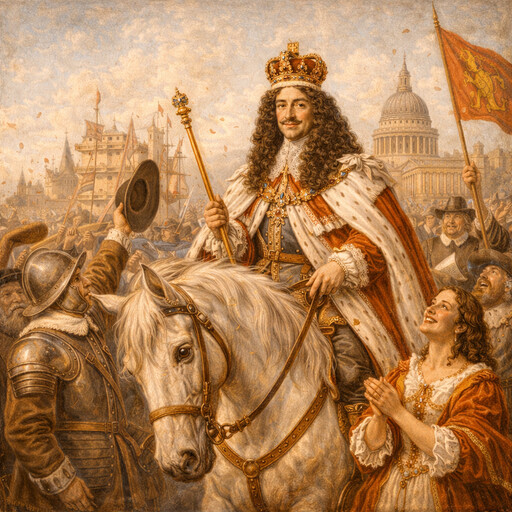
Stuart Restoration
Return of monarchy in 1660
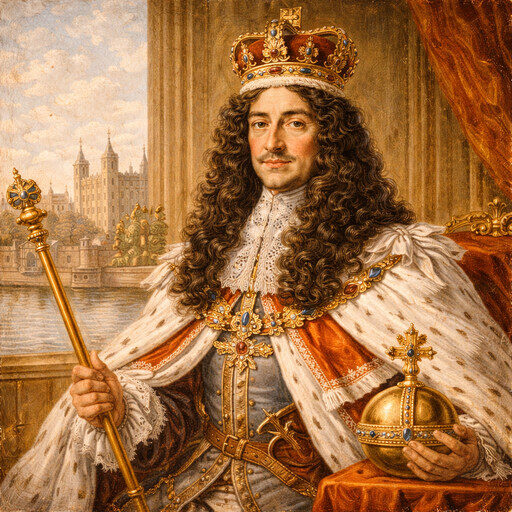
James II
King removed during political change
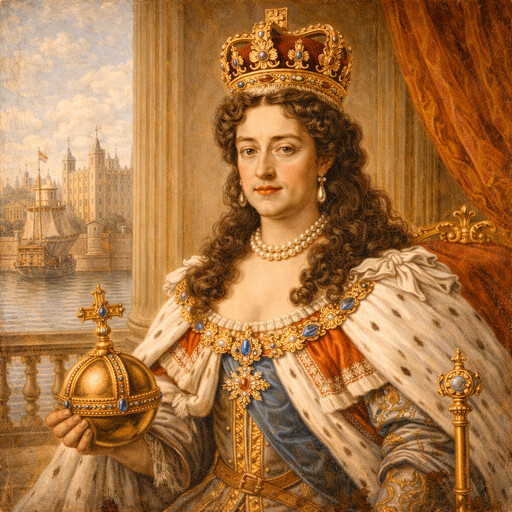
Mary II
Queen who ruled jointly
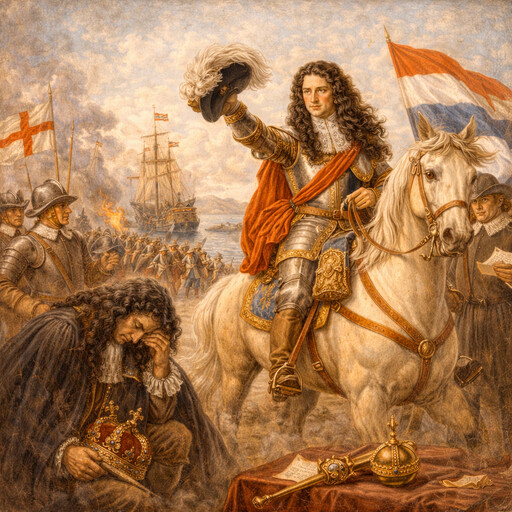
Glorious Revolution
Peaceful change of English monarchy
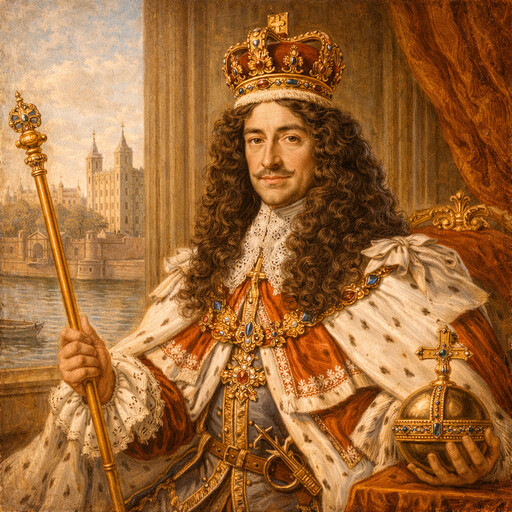
Charles II of England
King restored after civil war
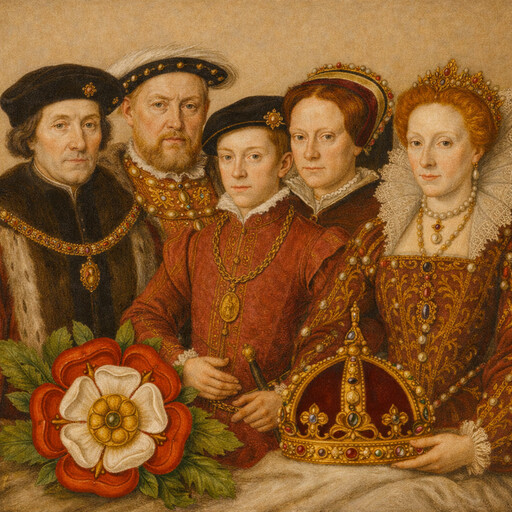
House of Tudor
Royal family of England and Wales
Westminster Abbey
Historic church of coronations and burials

Charles I of England
King during civil war and execution

Oliver Cromwell
Parliamentarian leader and Lord Protector
English Civil War
Conflict between king and Parliament