Parliament is the part of a government where laws are discussed, written, and approved. It is made up of people chosen by the citizens through elections. The main idea of a parliament is to give people a voice in how their country is run. Instead of one ruler making all the decisions, a parliament allows many representatives to share ideas and debate before making laws.
In many countries, a parliament has two parts, often called houses or chambers. For example, in the united-kingdom, there are the House of Commons and the House of Lords. The Commons is made up of elected members called Members of Parliament (MPs), while the Lords are usually appointed or inherit their positions. In other countries, such as canada or Australia, similar systems exist. Some countries, like Sweden or New Zealand, have only one house.
The main job of a parliament is to make laws. New ideas for laws, called bills, are introduced and carefully debated. Members argue for or against them, suggest changes, and finally vote. If the bill passes, it becomes a law that everyone must follow. This process ensures that different opinions are heard before any decision is made. Parliament also checks what the government is doing and can ask questions or demand reports to keep leaders responsible.
Parliaments often meet in special buildings designed for discussion and debate. These places, like the Palace of Westminster in london or the Parliament Hill in Ottawa, are symbols of democracy and history. Inside, members sit facing each other to make debate easier. There are also rules to keep order, such as when to speak and how to vote. A person called the Speaker makes sure debates stay fair and respectful.
Besides making laws, parliament also decides how money is spent by approving the national budget. This helps make sure taxes are used wisely for public needs such as schools, hospitals, and roads. Parliament also has the power to remove or replace government leaders if they lose the trust of the members. This balance of power prevents any one group from becoming too strong.
In short, a parliament is the heart of democracy. It gives citizens a voice through their representatives and helps the country make fair decisions. By encouraging debate, compromise, and transparency, parliament keeps the government accountable and ensures that laws serve the people.
Parliament
Level
readlittle.com
A place where laws are made
What We Can Learn
- Parliament is where elected representatives make and debate laws.
- Most parliaments have one or two houses that work together.
- Parliaments also check the government’s work and manage national spending.
- They are key to democracy and represent the people’s voice.
Related Reads
No image
Monarchy
Government ruled by a royal family
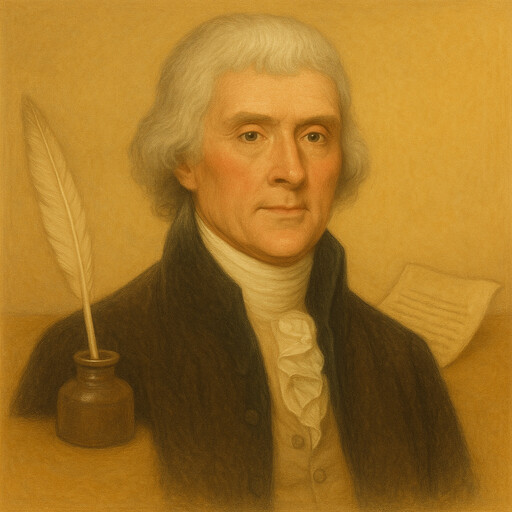
Thomas Jefferson
Author and third U.S. president
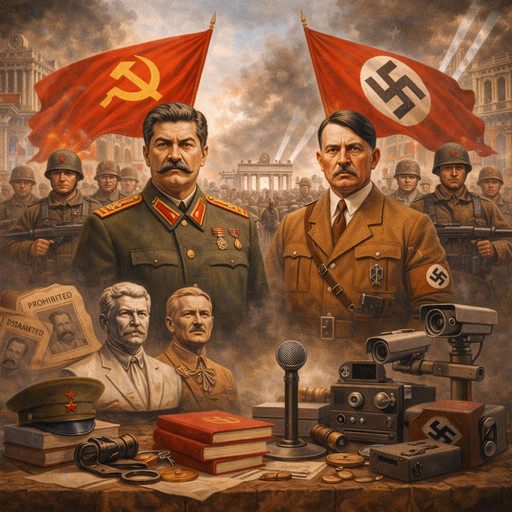
Totalitarianism
A system of complete state control
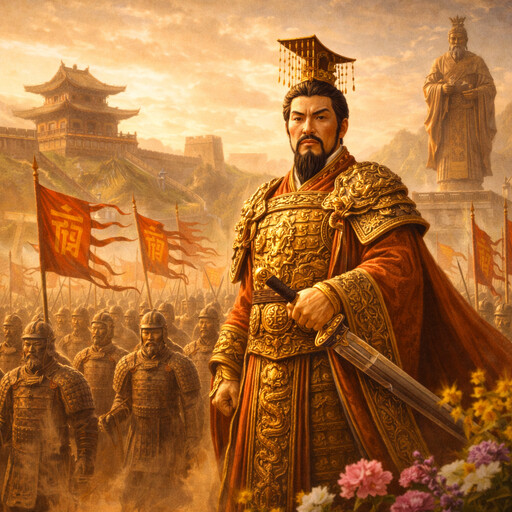
Qin dynasty
First imperial dynasty of China
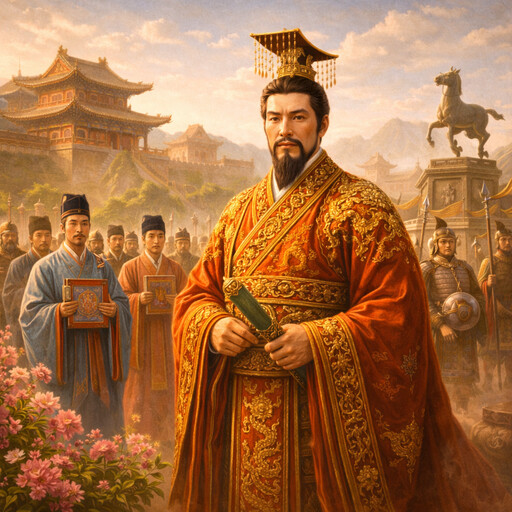
Han dynasty
Long-lasting dynasty of ancient China
Nationalism
Idea linking people to a shared nation
Winston Churchill
British leader during World War II
John Stuart Mill
British thinker on society and freedom
Jeremy Bentham
British thinker on law and society
Jean-Jacques Rousseau
Enlightenment writer on society and government
Montesquieu
French thinker on laws and government

Thomas Cromwell
Chief minister to King Henry VIII