Pope Gregory VII was a pope of the Roman Catholic Church who ruled from 1073 to 1085. He lived during the Middle Ages, a long period of European history between ancient and modern times. Gregory VII became known for strong efforts to reform the church and define the role of the pope. His papacy involved major disputes with kings and emperors about power and authority. These events placed Gregory VII at the center of church and political life in Europe.
Gregory VII was born around the year 1020 in Tuscany, a region in central Italy. His birth name was Hildebrand of Sovana. As a young man, he entered religious life and became a monk. A monk is a person who lives in a religious community and follows strict rules. Hildebrand later worked in Rome and served several popes. He gained experience in church administration and reform. Over time, he became an influential adviser and helped shape church policies before becoming pope himself.
In 1073, Hildebrand was elected pope and took the name Gregory VII. As pope, he worked to strengthen church discipline and independence. One major issue was the practice of lay investiture. Investiture is the act of appointing someone to an official position. Lay investiture occurred when kings or other rulers appointed bishops and church officials. Gregory VII opposed this practice because he believed church leaders should be chosen by the church, not by secular rulers. He issued decrees stating that only the pope had authority to appoint bishops.
This policy led to a major conflict with Henry IV, who was the king of Germany and later became Holy Roman Emperor. The Holy Roman Emperor was a ruler who claimed authority over much of central Europe. Henry IV continued to appoint bishops despite the pope’s orders. In response, Gregory VII excommunicated him. Excommunication is the act of excluding someone from the church. This action had serious effects because it weakened Henry’s support among nobles. The conflict between Gregory VII and Henry IV is known as the Investiture Controversy.
The struggle continued for several years. In 1077, Henry IV traveled to the town of Canossa in northern Italy. There, he met Gregory VII and asked for forgiveness. This event is often called the Walk to Canossa. Gregory lifted the excommunication, but tensions remained. Later, Henry regained power and supported a rival pope. Gregory VII was forced to leave Rome and spent his final years in exile. Exile means living away from one’s homeland, often by force.
Pope Gregory VII died in 1085 in Salerno, a city in southern Italy. After his death, the conflicts he began continued for many years. The Investiture Controversy was later settled through agreements between popes and emperors. Gregory VII’s papacy marked a period when the church sought greater independence from political rulers. His actions helped define the role of the pope in medieval Europe. He is remembered as a central figure in the history of church reform and medieval leadership.
Pope Gregory VII
Level
readlittle.com
Medieval pope and church reformer
What We Can Learn
- Pope Gregory VII ruled from 1073 to 1085
- He opposed lay investiture by secular rulers
- He conflicted with Henry IV during the Investiture Controversy
- His papacy shaped church authority in medieval Europe
Related Reads

Józef Piłsudski
Leader of modern independent Poland
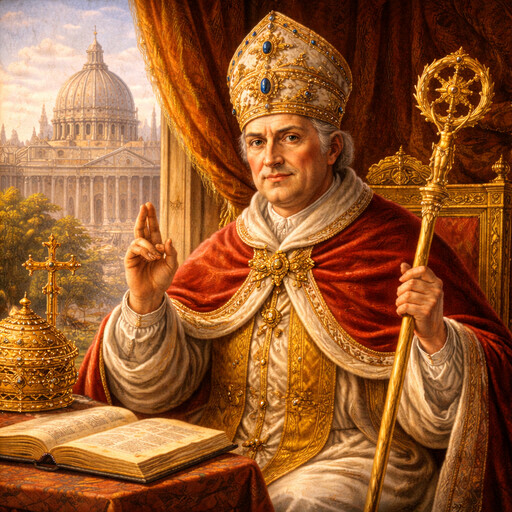
Pope Clement XIII
Eighteenth-century pope amid political pressure
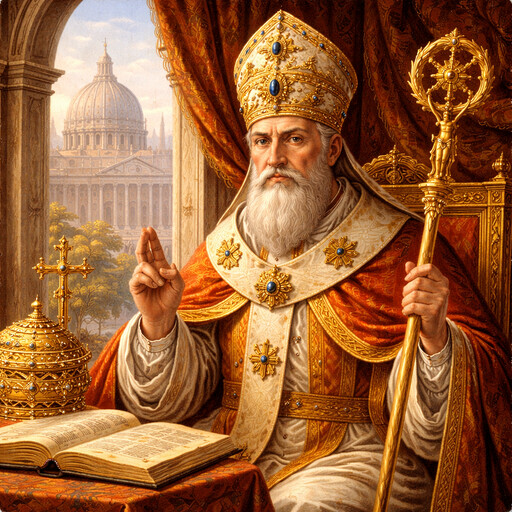
Pope Boniface VIII
Medieval pope and royal conflict
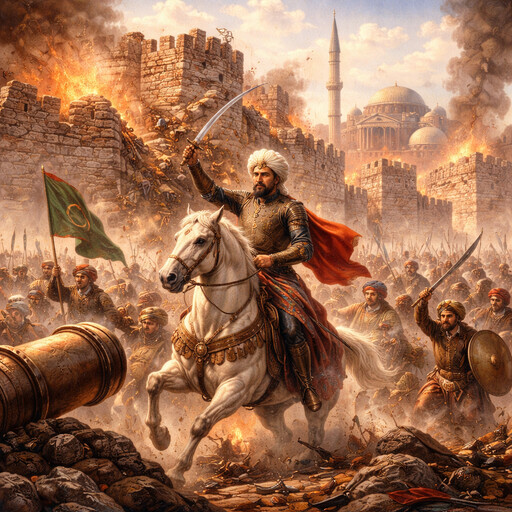
Fall of Constantinople
Ottoman capture of Constantinople in 1453
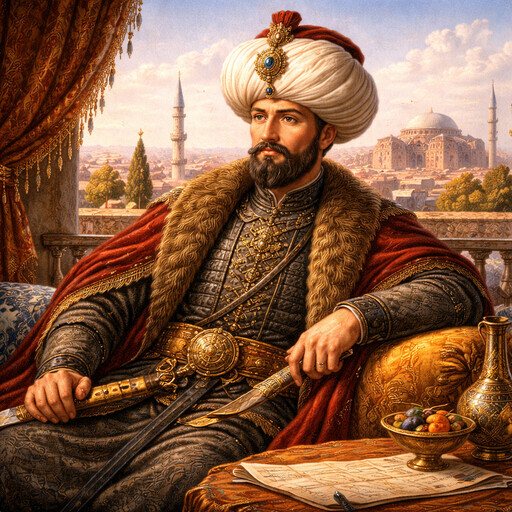
Mehmed II
Ottoman sultan who captured Constantinople
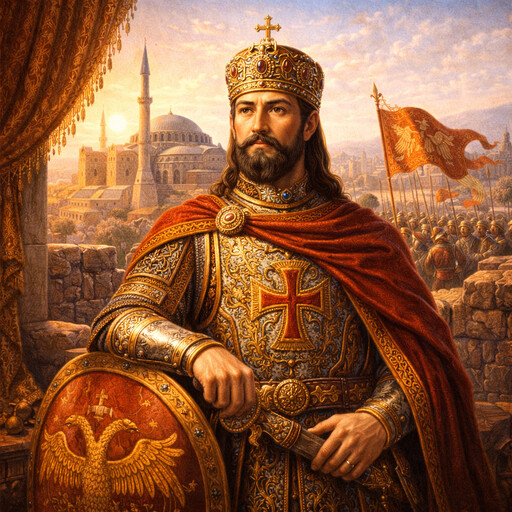
Constantine XI Palaiologos
Last emperor of the Byzantine Empire
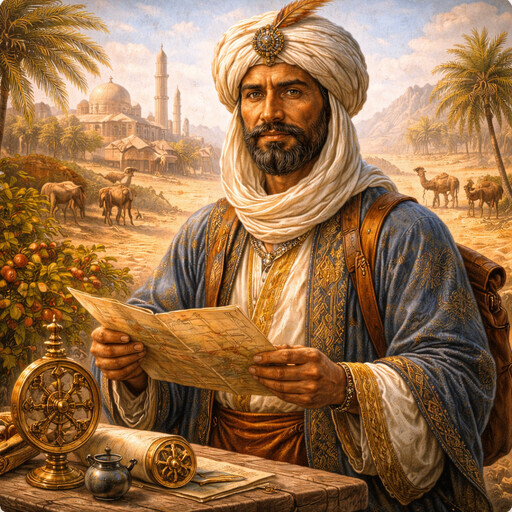
Ibn Battuta
Great traveler of the medieval world

European Union
Political and economic union of European states
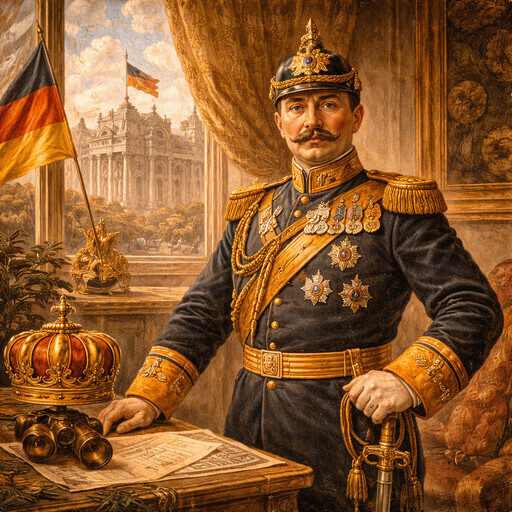
Wilhelm II
Last German emperor and Prussian king
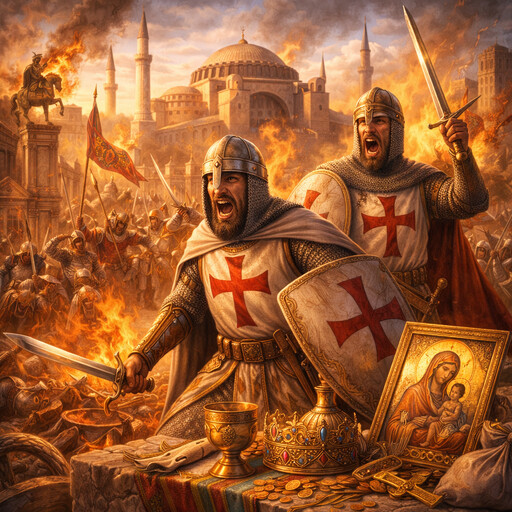
Sack of Constantinople
Crusaders capture Constantinople in 1204
Crusader states
Crusader kingdoms in the eastern Mediterranean
Eleanor of Aquitaine
Powerful queen of medieval Europe