Pope Boniface VIII was a pope of the Roman Catholic Church at the end of the 1200s and start of the 1300s. He ruled from 1294 to 1303. His papacy took place during the Middle Ages, when popes, kings, and emperors all claimed authority over society. Boniface VIII is remembered for firm statements about the power of the pope and for serious conflicts with rulers, especially the king of France. His actions placed the papacy at the center of political life in Europe.
Boniface VIII was born around 1230 in Anagni, a town south of Rome. His birth name was Benedetto Caetani. He came from a noble family and received education in law. Law is the system of rules used to govern society. Benedetto became a church official and served earlier popes as a lawyer and adviser. Over many years, he gained experience in church courts and administration. This background prepared him for leadership in the church.
In 1294, Benedetto Caetani became pope after the resignation of Pope Celestine V. A resignation is the act of leaving an office voluntarily. Celestine V stepped down after only a few months, which was unusual. Benedetto took the name Boniface VIII. As pope, he worked to strengthen the authority of the papacy. The papacy is the office and leadership of the pope. Boniface believed the pope held supreme authority in spiritual matters and had influence over rulers in worldly affairs.
One of the main conflicts of Boniface VIII’s papacy involved King Philip IV of France. Philip wanted to tax the church in France to support his government and military. Boniface opposed this, saying that only the church could tax clergy. A clergy member is a religious leader such as a priest or bishop. The disagreement grew into a major struggle over power. Boniface issued official letters, called bulls, stating that the pope held authority above kings in spiritual matters. One famous bull was Unam Sanctam, issued in 1302, which explained the pope’s view of church authority.
The conflict with France became more serious over time. Philip IV accused Boniface of wrongdoing and challenged his authority. In 1303, a group supporting the French king attacked Boniface in his hometown of Anagni. This event is known as the Outrage of Anagni. Boniface was briefly taken prisoner but was later freed by local supporters. The incident weakened his position and showed the limits of papal power when faced with strong monarchs. Boniface returned to Rome but his health declined.
Pope Boniface VIII died in October 1303. After his death, the papacy changed direction. Later popes became more cautious in their dealings with kings. Boniface VIII’s papacy marked a time when popes openly claimed authority over rulers. His reign is studied as part of the long history of church and state relations in medieval Europe. He remains an important figure for understanding how religious and political power interacted during the Middle Ages.
Pope Boniface VIII
Level
readlittle.com
Medieval pope and royal conflict
What We Can Learn
- Boniface VIII was pope from 1294 to 1303
- He strongly defended papal authority
- He conflicted with King Philip IV of France
- His papacy showed limits of papal power
Related Reads

Józef Piłsudski
Leader of modern independent Poland
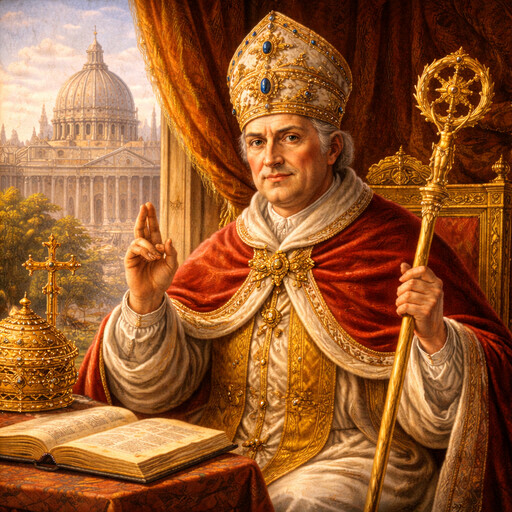
Pope Clement XIII
Eighteenth-century pope amid political pressure
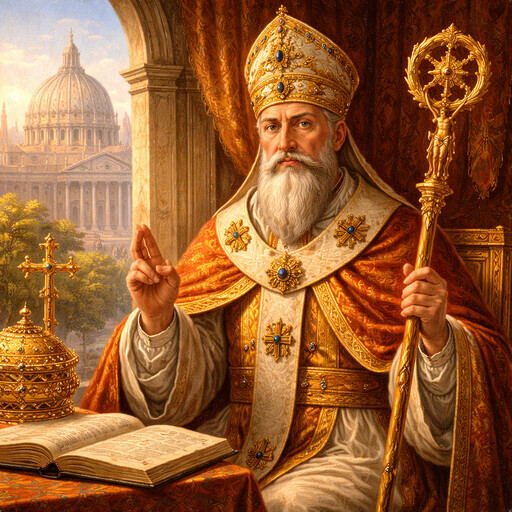
Pope Gregory VII
Medieval pope and church reformer
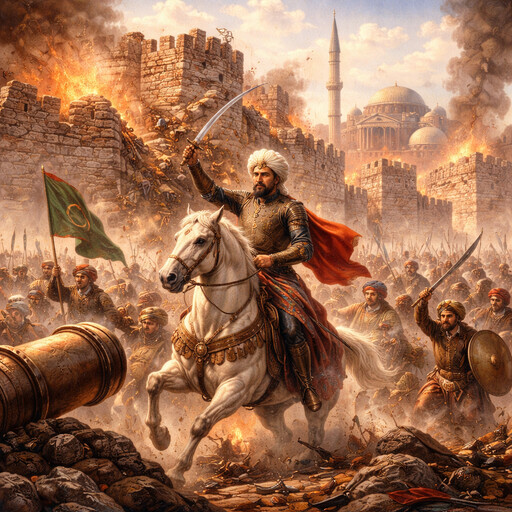
Fall of Constantinople
Ottoman capture of Constantinople in 1453
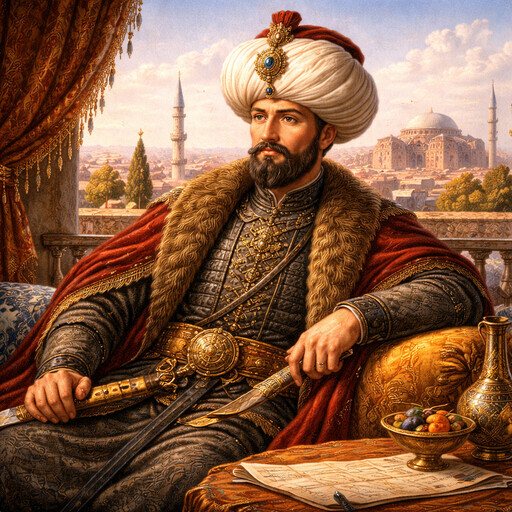
Mehmed II
Ottoman sultan who captured Constantinople
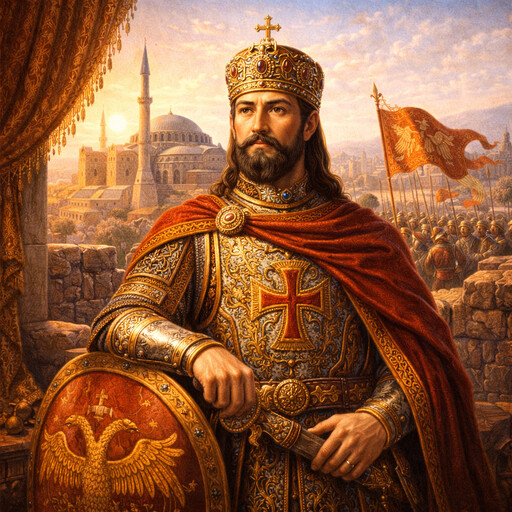
Constantine XI Palaiologos
Last emperor of the Byzantine Empire

Ibn Battuta
Great traveler of the medieval world

European Union
Political and economic union of European states
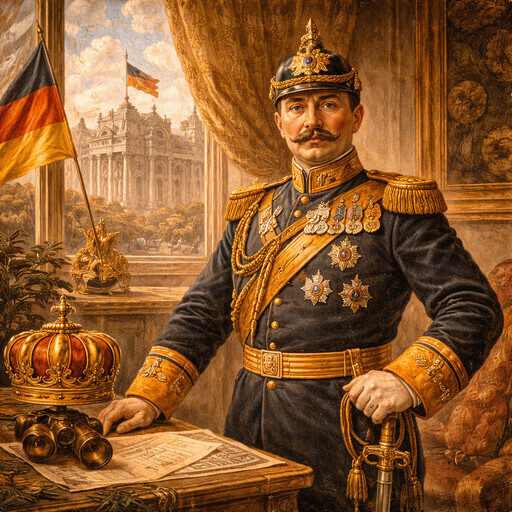
Wilhelm II
Last German emperor and Prussian king
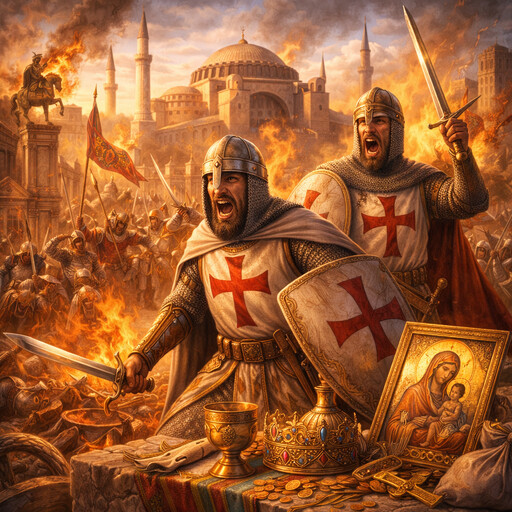
Sack of Constantinople
Crusaders capture Constantinople in 1204
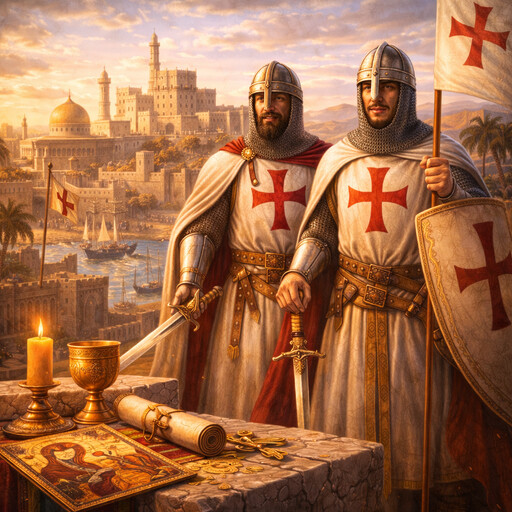
Crusader states
Crusader kingdoms in the eastern Mediterranean

Eleanor of Aquitaine
Powerful queen of medieval Europe