The Fall of Constantinople refers to the capture of the city of Constantinople by the Ottoman Empire in the year 1453. Constantinople was the capital of the Byzantine Empire, which was the eastern continuation of the Roman Empire. The city stood at a key location between Europe and Asia. It was protected by strong walls and surrounded by water on three sides. For many centuries, Constantinople had resisted attacks from different armies. In 1453, after a long siege, the city was taken by Ottoman forces. This event marked the end of the Byzantine Empire.
Before 1453, the Byzantine Empire had become much smaller than it once was. It had lost most of its land to other powers over time. The empire still controlled Constantinople and a few nearby areas. The city remained important for trade, religion, and politics. It was a center of Eastern Orthodox Christianity and had large churches, libraries, and schools. The emperor at the time was Constantine XI Palaiologos. He ruled during a difficult period, with limited money and soldiers to defend the city.
The Ottoman Empire was a growing power in the region. It was ruled by Sultan Mehmed II, who became sultan at a young age. A sultan is a ruler of an Islamic state. Mehmed II wanted to capture Constantinople to make it the capital of his empire. He gathered a large army and prepared a strong attack. The Ottoman forces included infantry, cavalry, and artillery. Artillery refers to large weapons such as cannons that fire heavy projectiles. The Ottomans used new and powerful cannons, which could damage the city’s ancient walls.
The siege of Constantinople began in April 1453. A siege is a military action in which an army surrounds a city to cut off supplies and force surrender. The Ottomans surrounded the city by land and sea. They blocked ships from entering the harbor by placing a chain across the water. Inside the city, the defenders included Byzantine soldiers and a small number of allies from Western Europe. They repaired walls, guarded gates, and tried to hold back the attacks. The fighting continued for several weeks.
As the siege went on, conditions inside Constantinople became worse. Food and supplies grew scarce. The defenders were outnumbered and tired. Ottoman cannons repeatedly struck the walls, creating gaps that had to be repaired quickly. On 29 May 1453, the Ottomans launched a final assault. An assault is a direct and forceful attack. After intense fighting, Ottoman soldiers broke through the defenses. Emperor Constantine XI was killed during the battle. Ottoman forces entered the city, and the long rule of the Byzantine Empire came to an end.
After the city was captured, Mehmed II declared Constantinople the new capital of the Ottoman Empire. The city later became known as Istanbul. Churches were converted into mosques, including the Hagia Sophia, a large church that became a mosque. The population of the city changed as new residents arrived. The fall of Constantinople shifted power in the region and changed trade routes. It also marked the final end of the Roman Empire, which had existed in different forms for over one thousand years. The event remains a major moment in world history.
Fall of Constantinople
Level
readlittle.com
Ottoman capture of Constantinople in 1453
What We Can Learn
- Constantinople was captured by the Ottoman Empire in 1453
- The event ended the Byzantine Empire
- Sultan Mehmed II led the Ottoman forces
- The city later became the Ottoman capital
Related Reads
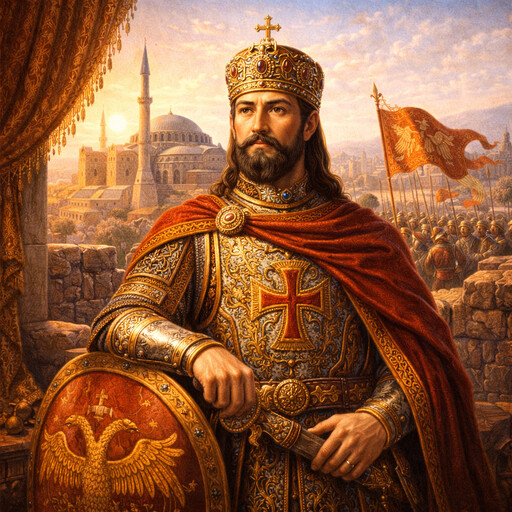
Constantine XI Palaiologos
Last emperor of the Byzantine Empire
Pope Boniface VIII
Medieval pope and royal conflict
Pope Gregory VII
Medieval pope and church reformer
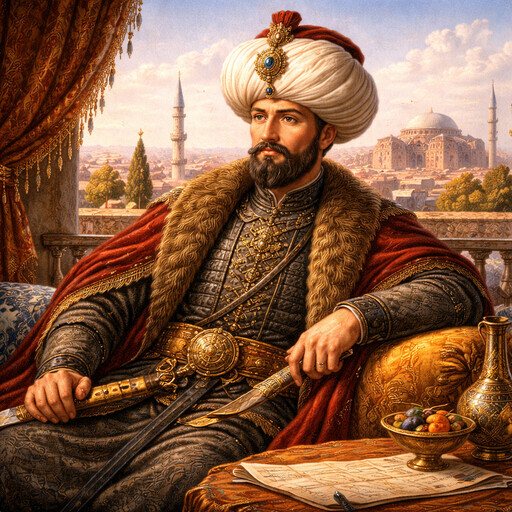
Mehmed II
Ottoman sultan who captured Constantinople
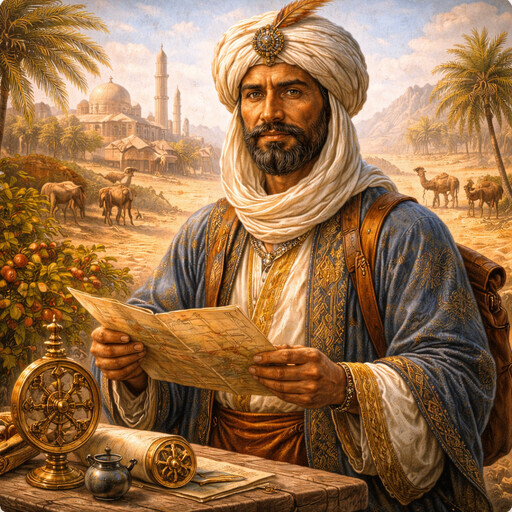
Ibn Battuta
Great traveler of the medieval world
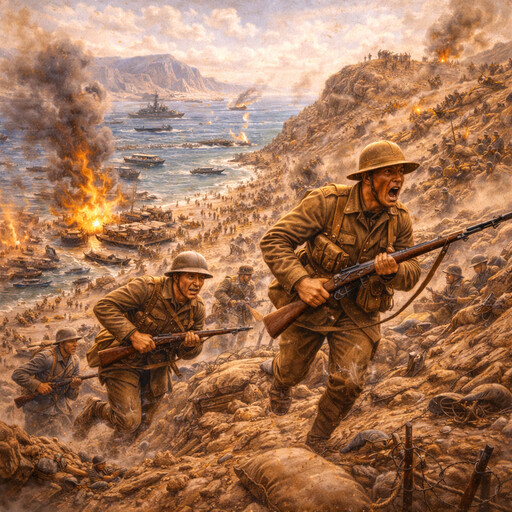
Gallipoli campaign
World War I campaign in Turkey
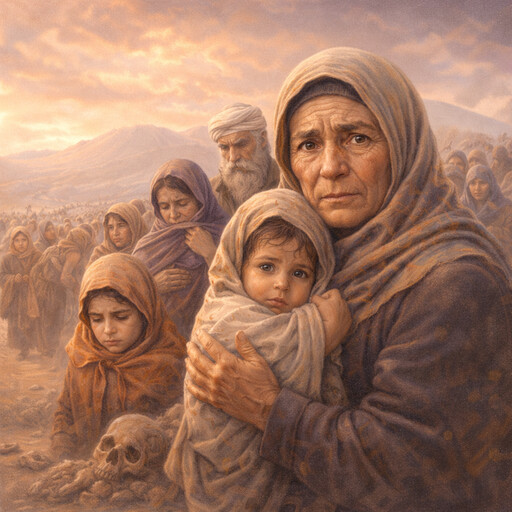
Armenian genocide
Mass killing of Armenians during World War I
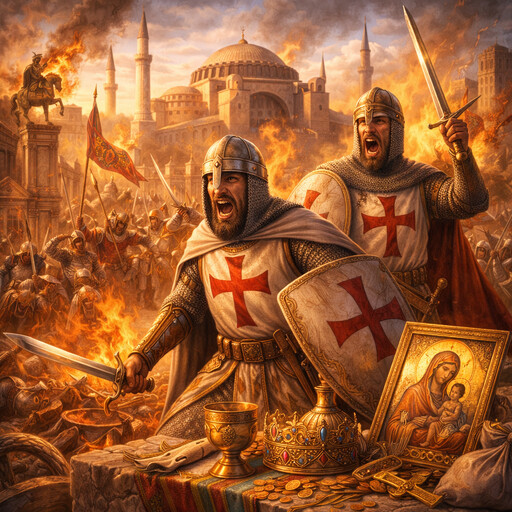
Sack of Constantinople
Crusaders capture Constantinople in 1204
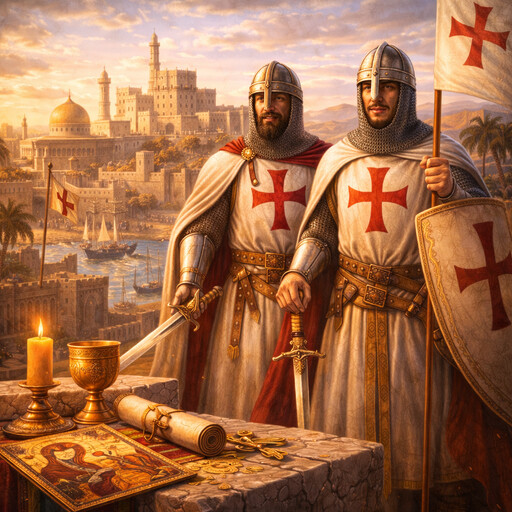
Crusader states
Crusader kingdoms in the eastern Mediterranean

Eleanor of Aquitaine
Powerful queen of medieval Europe
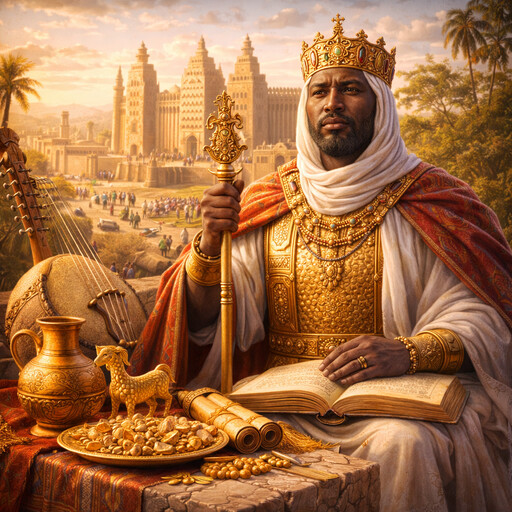
Mali Empire
A great empire of West Africa

Venice
City built on water