A geomagnetic storm is a strong disturbance, or change, in Earth’s magnetic field. Earth’s magnetic field is an invisible force that surrounds the planet and protects it from harmful particles coming from the Sun. These storms happen when charged particles from the Sun reach Earth and interact with the magnetic field. Charged particles are tiny pieces of matter that carry an electric charge. Understanding geomagnetic storms helps scientists learn how the Sun and Earth are connected.
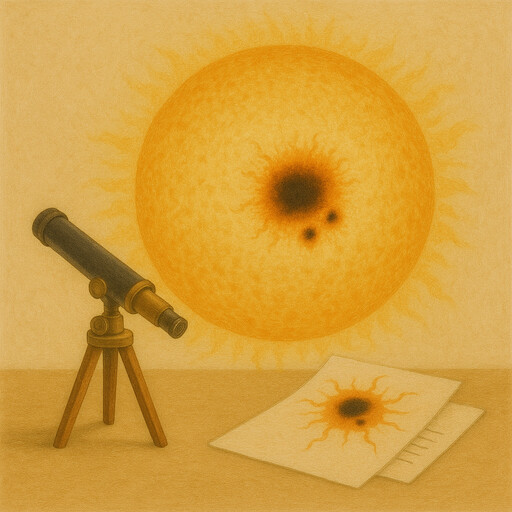
Geomagnetic storms often begin with solar activity such as a solar flare or a coronal mass ejection (CME). A solar flare is a sudden bright flash of energy from the Sun. A CME is a large cloud of charged particles that the Sun sends into space. When these particles reach Earth, they can disturb the shape and strength of Earth’s magnetic field. This disturbance can last for hours or even days, depending on how strong the event is.
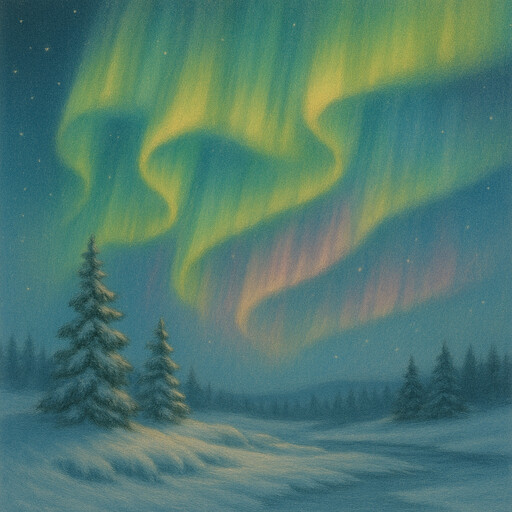
One common effect of a geomagnetic storm is the creation of bright lights in the sky called auroras. Auroras appear when charged particles enter the upper atmosphere near the North and South Poles. The particles collide with gases in the atmosphere and produce glowing colors, often green, red, or purple. These lights can sometimes be seen far from the poles during a strong geomagnetic storm.
Geomagnetic storms can also affect technology. When the magnetic field changes quickly, it can create extra electric currents in long wires. These wires can be power lines, cables, or pipes. Extra currents may cause problems for electrical systems, satellites, or radio communication. For example, radio signals may become weaker or noisy during a storm. Satellites may need to adjust their positions because the storm changes the thin layer of gas around Earth called the ionosphere, which helps some signals travel.
Airplanes that fly near the poles may change their routes during strong geomagnetic storms. This is because radio communication can become less reliable in those regions. In addition, astronauts on spacecraft may need to move to areas with more shielding. Shielding is material that helps block harmful particles. While geomagnetic storms rarely cause serious damage, they can create enough trouble that scientists watch the Sun carefully to give early warnings.
Scientists study geomagnetic storms using satellites and ground-based instruments. They observe the Sun to detect solar flares and CMEs before the particles reach Earth. By doing this, they can predict when a storm might happen. This helps people who operate satellites, power grids, and communication systems prepare for possible changes. Studying geomagnetic storms also teaches students how Earth is affected by events far away in space.
Geomagnetic storm
Level
readlittle.com
Strong changes in Earth’s magnetic field
What We Can Learn
- Geomagnetic storms are strong disturbances in Earth’s magnetic field.
- They are caused by charged particles from the Sun.
- Auroras are a common result of geomagnetic storms.
- These storms can affect satellites, power systems, and communication.