Mass is the measure of how much matter something contains. matter is everything that takes up space and has weight, such as air, water, rocks, or your own body. The more matter an object has, the greater its mass. For example, a big rock has more mass than a small pebble, and a car has more mass than a bicycle.
Mass is not the same as weight. weight is the pull of gravity on an object, while mass is the amount of material inside it. This means that if you travel to the Moon, your weight becomes less because the Moon’s gravity is weaker, but your mass stays the same. So, an astronaut who weighs less on the Moon still has the same mass as on earth.
The unit used to measure mass is the kilogram (kg), though smaller objects are often measured in grams (g). Scientists also use larger units like the tonne for very heavy things. To measure mass, people often use a balance scale that compares one object to known masses. When both sides of the scale are level, the masses are equal.
Mass is important in understanding how things move and interact. It affects how much force is needed to change an object’s motion. According to isaac-newton’s law of motion, the greater the mass of an object, the harder it is to move or stop. This is why it’s easier to push a soccer ball than to push a car. Both have mass, but the car’s mass is much greater.
In science, mass is also connected to energy. albert-einstein’s famous equation E = mc² shows that mass and energy are related—mass can change into energy, and energy can change into mass. This idea helps scientists understand stars, atomic energy, and how the universe works.
Mass is one of the basic properties of matter. It helps scientists describe and measure everything from the tiniest atom to the largest planet. Whether you’re weighing fruit at the store or studying space, understanding mass helps explain how our world and universe stay balanced and in motion.
Mass
Level
readlittle.com
How much matter makes up an object
What We Can Learn
- Mass measures how much matter is in an object.
- Mass does not change even if gravity changes.
- It is measured in kilograms (kg) or grams (g).
- Mass affects motion, weight, and energy relationships.
Related Reads
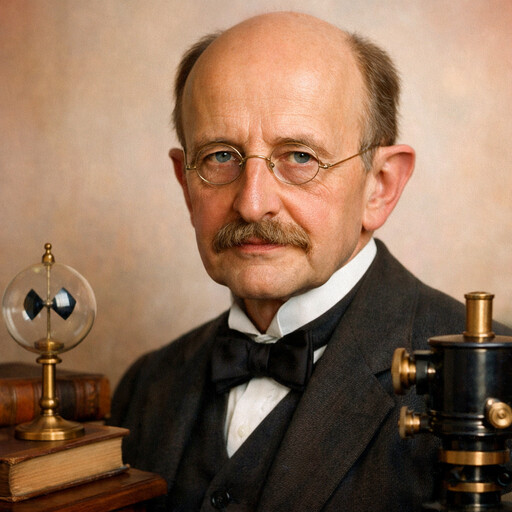
Max Planck
Founder of quantum theory
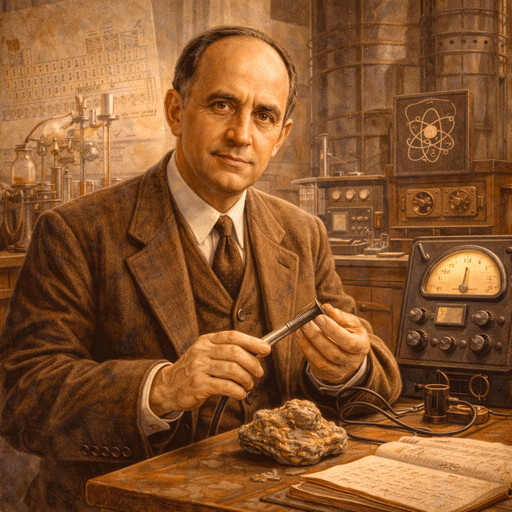
Enrico Fermi
Scientist of nuclear physics
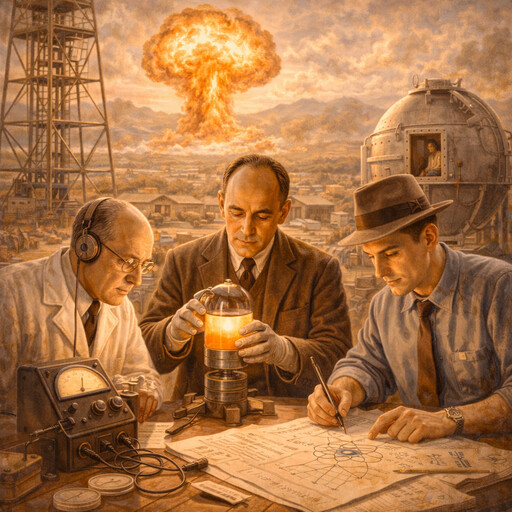
Manhattan Project
World War II atomic research program
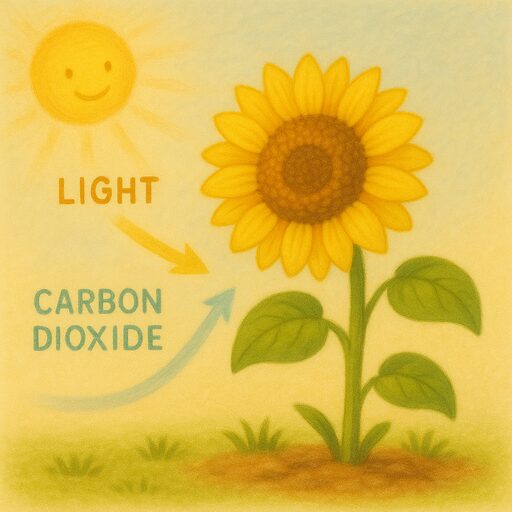
Photosynthesis
How plants make food using light
Magnet
Object that creates magnetic force
Gravity
Force that pulls objects together
Newton's laws of motion
Three rules describing how objects move
Photon
A tiny packet of light energy

North Sea
Sea between Britain and northern Europe
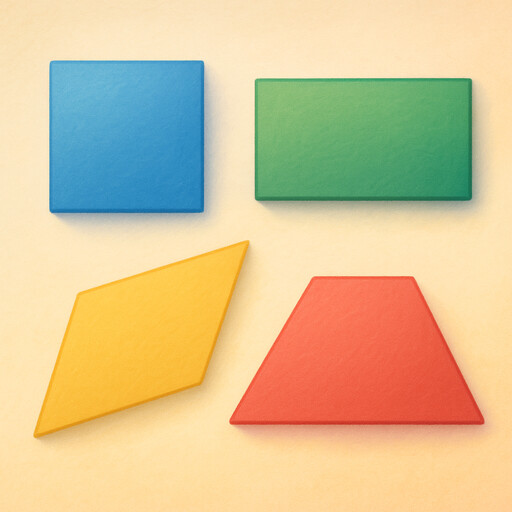
Quadrilateral
Four-sided polygons
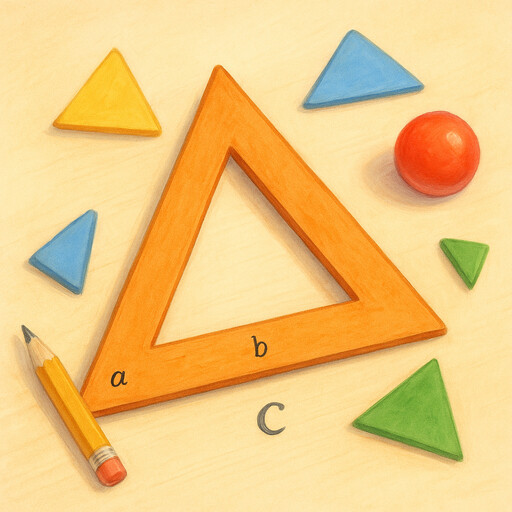
Triangle
The three-sided polygon
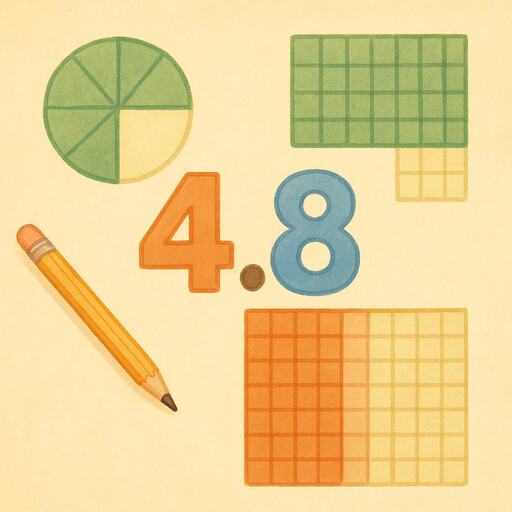
Decimal
Base-ten numbers with fractional parts