An aurora is a natural display of colorful light in Earth’s sky. It usually appears at night and is most common near the North and South Poles. Auroras happen when charged particles from the Sun reach Earth and interact with the atmosphere. The atmosphere is the mixture of gases that surrounds Earth. These particles create glowing colors that spread across the sky in shapes such as curtains, waves, or arcs.
Auroras are caused mainly by the Sun’s activity. When the Sun releases a burst of energy, such as a solar flare or a coronal mass ejection (CME), it sends charged particles into space. Charged particles are tiny pieces of matter that have an electric charge. When these particles travel toward Earth, they are guided by Earth’s magnetic field. A magnetic field is a force that surrounds Earth and protects it from harmful radiation.
As the particles follow the magnetic field lines, they enter the upper atmosphere near the poles. There, they collide with gases such as oxygen and nitrogen. A collision happens when two objects bump into each other. These collisions create energy in the form of light. Different gases make different colors. Oxygen can produce green or red light, while nitrogen can create blue or purple light. Because of this, auroras can appear in many colors.
There are two main types of auroras. The aurora near the North Pole is called the aurora borealis, or northern lights. The aurora near the South Pole is called the aurora australis, or southern lights. Both types form in the same way, but they happen in opposite parts of the world. During strong solar events, auroras may be seen farther from the poles than usual.
Auroras are often linked to geomagnetic storms. A geomagnetic storm is a strong disturbance in Earth’s magnetic field caused by particles from the Sun. During these storms, auroras may become brighter and more widespread. Although auroras are harmless to people watching from Earth, geomagnetic storms can affect technologies such as radio communication, satellites, and power systems.
Scientists study auroras to learn about the Sun–Earth connection. They use satellites, ground instruments, and cameras to record how auroras change over time. By studying these lights, scientists gain a better understanding of Earth’s magnetic field and how energy travels through space. Auroras also encourage students to explore how natural forces shape the environment around our planet.
Aurora
Level
readlittle.com
Colorful lights in Earth’s sky
What We Can Learn
- Auroras are natural lights caused by charged particles from the Sun.
- They appear near the poles and create many colors.
- Different gases in the atmosphere produce different colors.
- Auroras are linked to solar activity and geomagnetic storms.
Related Reads
Sunspot
Cooler dark areas on the Sun
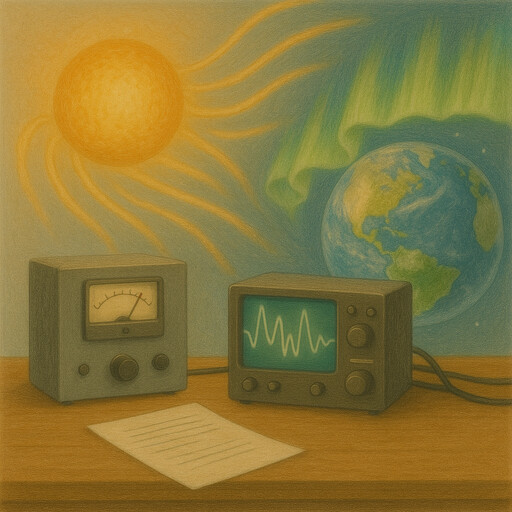
Geomagnetic storm
Strong changes in Earth’s magnetic field
Neptune
The distant blue planet of the Solar System
Jupiter
The largest planet in the Solar System
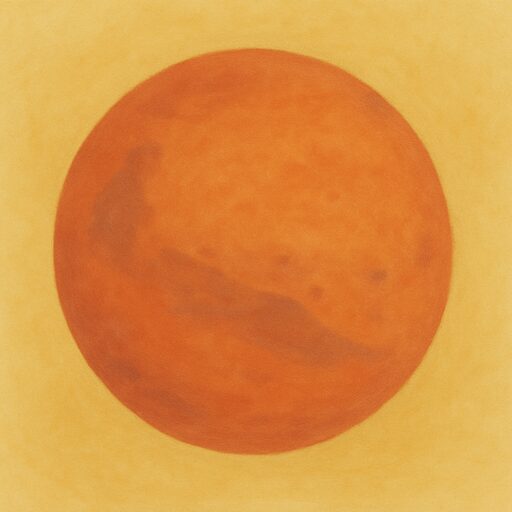
Mars
The red planet of the Solar System
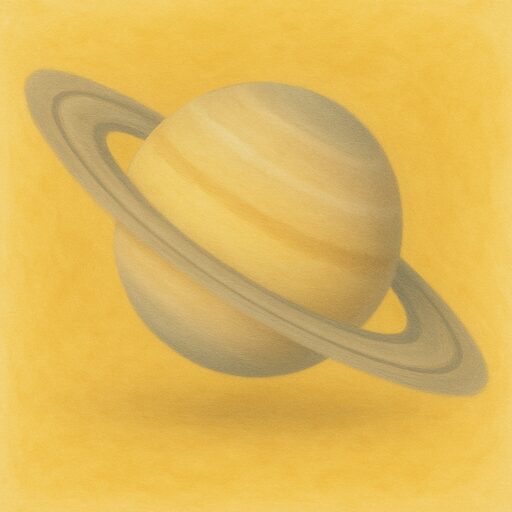
Saturn
The ringed giant planet of the Solar System

Uranus
The tilted blue planet of the Solar System
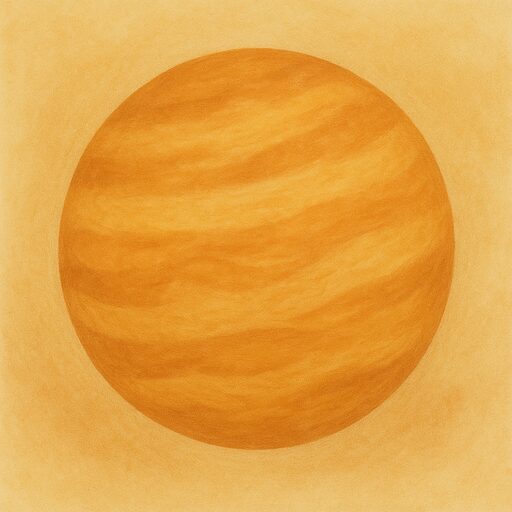
Venus
The hottest planet in the Solar System
Weather
The condition of the air and sky

Climate
The long-term pattern of weather

Nature
The world of living and nonliving things

Environment
The world of nature around us