The Sun is the star at the center of the solar-system. It is a huge ball of hot gases that gives off light and heat. The Sun’s energy makes life possible on earth and drives the planet’s weather, seasons, and climate. All the planets, moons, and other objects in the Solar System orbit around the Sun because of its strong gravity.
The Sun is made mostly of two gases — hydrogen and helium. Deep inside, hydrogen atoms are constantly joining together, or fusing, to form helium. This process, called nuclear fusion, releases enormous amounts of energy in the form of light and heat. The light travels from the Sun to Earth in about 8 minutes, even though the Sun is about 150 million kilometers away.
The surface of the Sun is called the photosphere, and it has a temperature of about 5,500°C. Above it are the chromosphere and the corona, which can be seen during a total solar eclipse as a bright outer glow. The Sun’s surface sometimes shows dark areas called sunspots, which are cooler regions caused by magnetic activity. It also sends out bursts of energy known as solar flares and coronal mass ejections, which can affect radio signals and cause bright auroras on Earth.
The Sun is much larger than any planet. It is about 1.4 million kilometers wide—about 109 times wider than Earth—and makes up more than 99% of all the mass in the Solar System. Despite its size, the Sun is a medium-sized star, known as a yellow dwarf. There are many other stars in the universe that are much bigger or smaller than the Sun.
The Sun formed about 4.6 billion years ago from a cloud of gas and dust. Over billions of years, it has provided steady energy for life on Earth. Scientists believe that in about 5 billion more years, the Sun will run out of hydrogen and change into a red giant, growing much larger and swallowing the inner planets. Later, it will shrink into a small, cool star called a white dwarf.
Because it is so important to life, the Sun has been studied and observed by people throughout history. Many ancient cultures created calendars and festivals based on the Sun’s movements in the sky. Today, scientists study the Sun with telescopes and spacecraft to understand how it works and how it affects Earth and the Solar System.
Sun
Level
readlittle.com
The star at the center of the Solar System
What We Can Learn
- The Sun is a star made of hot gases at the center of the Solar System.
- Its energy comes from nuclear fusion, which turns hydrogen into helium.
- The Sun’s light and heat support life on Earth.
- The Sun will eventually become a red giant and then a white dwarf.
Related Reads
Max Planck
Founder of quantum theory
Photosynthesis
How plants make food using light
Johannes Kepler
Astronomer who described planet motion
Supernova
Powerful explosion of a dying star
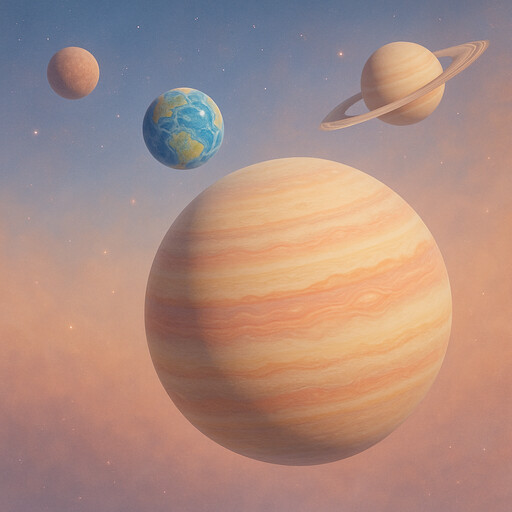
Exoplanet
Planets beyond our solar system
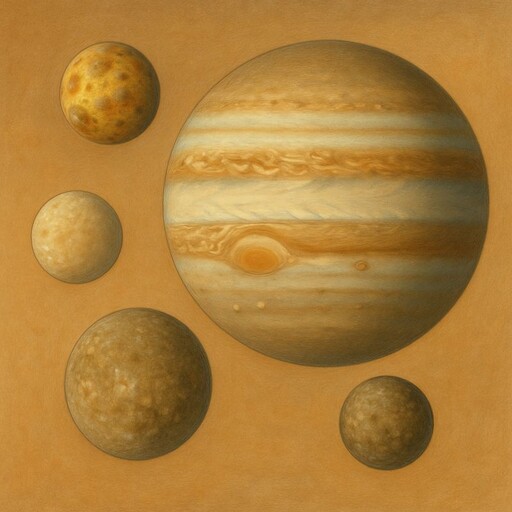
Galilean moons
Four large moons of Jupiter
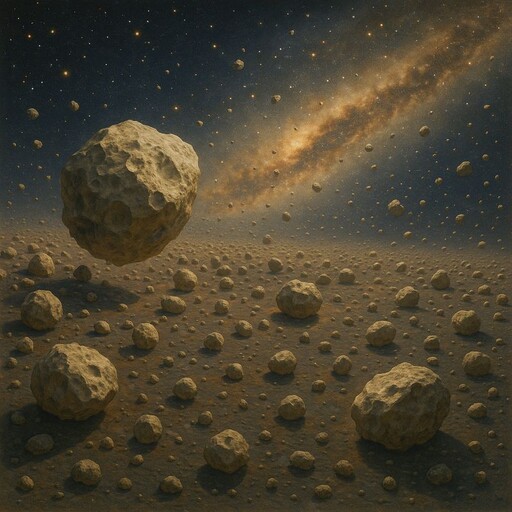
Asteroid belt
Region of rocky bodies in space
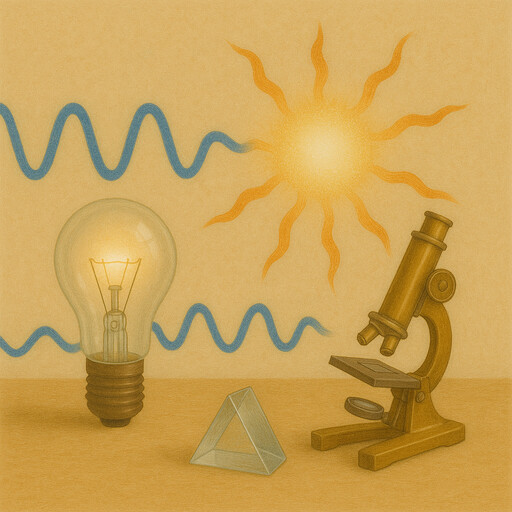
Photon
A tiny packet of light energy
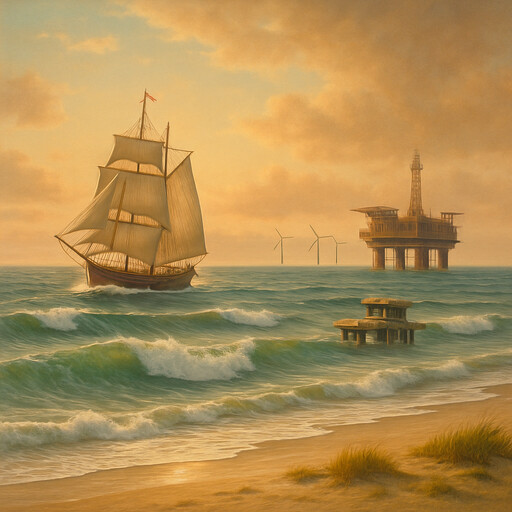
North Sea
Sea between Britain and northern Europe
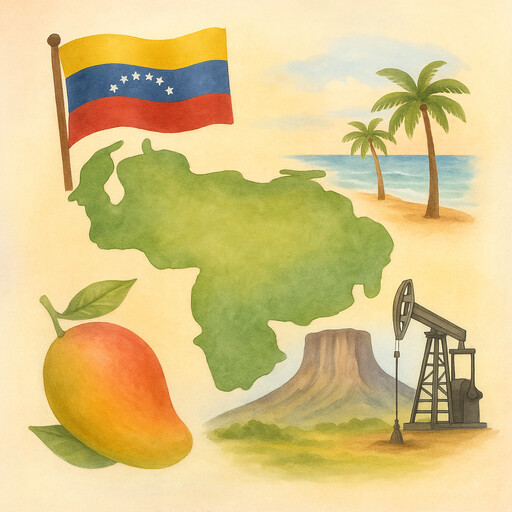
Venezuela
Caribbean coastline and oil-rich highlands
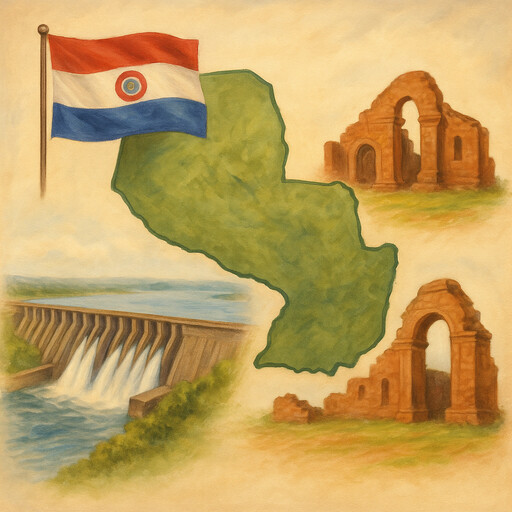
Paraguay
Landlocked nation of rivers and missions
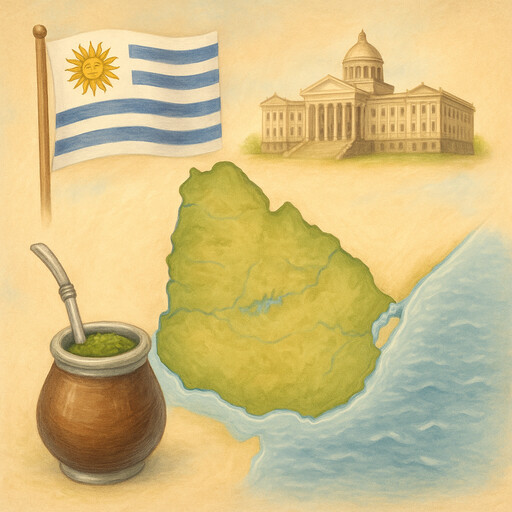
Uruguay
Atlantic plains, mate culture, and modern policies