The House of Stuart was a royal family that ruled Scotland, England, and later Great Britain for several centuries. The family first came to power in Scotland and later became rulers of England as well. The Stuart monarchs were involved in many important political, religious, and national changes that shaped British history.
The Stuart family began ruling Scotland in 1371. The first Stuart king was Robert II of Scotland. The family name originally came from the title Steward, a high official in the Scottish royal court. Over time, the spelling changed to Stuart. For many generations, the Stuarts ruled only Scotland.
In 1603, the crowns of Scotland and England were joined. This happened when James VI of Scotland became James I of England. This event is called the Union of the Crowns. Although the two countries still had separate governments, they now shared the same monarch. James was the first Stuart ruler of both kingdoms.
Several Stuart monarchs ruled during a time of conflict. Charles I argued with Parliament over power and money. This led to the English Civil War. Charles I was captured and executed in 1649. After his death, England became a republic for a short time, called the Commonwealth of England, led by Oliver Cromwell.
The monarchy was restored in 1660 with Charles II. This event is known as the Stuart Restoration. Later rulers included James II'', William III, and Mary II. James II was removed from power during the Glorious Revolution because of religious and political disputes. William and Mary ruled together as joint monarchs.
The last Stuart monarch was Queen Anne'', who ruled until 1714. During her reign, England and Scotland were formally united by the ''Act of Union 1707'', creating the Kingdom of Great Britain. Anne had no surviving children, so the throne passed to George I', beginning the House of Hanover. This marked the end of the House of Stuart as the ruling family.
House of Stuart
Level
readlittle.com
Royal family of Britain and Scotland
What We Can Learn
- The Stuarts ruled Scotland and later England and Britain
- James VI and I united the crowns in 1603
- Civil war and revolution occurred under Stuart rule
- The dynasty ended with Queen Anne in 1714
Related Reads

Ivan III
Founder of a unified Russian state

Peter the Great
Russian ruler who reshaped his country
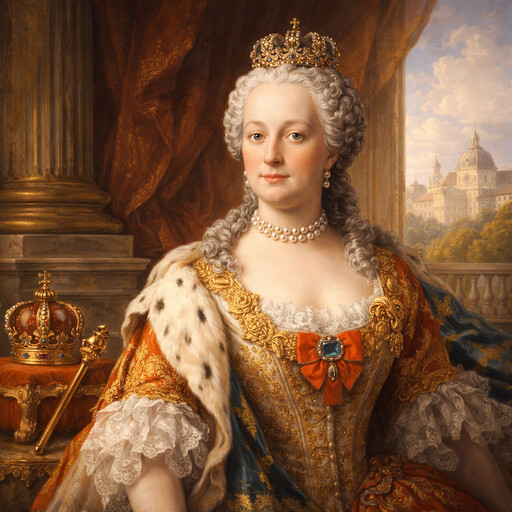
Maria Theresa
Powerful ruler of the Habsburg lands
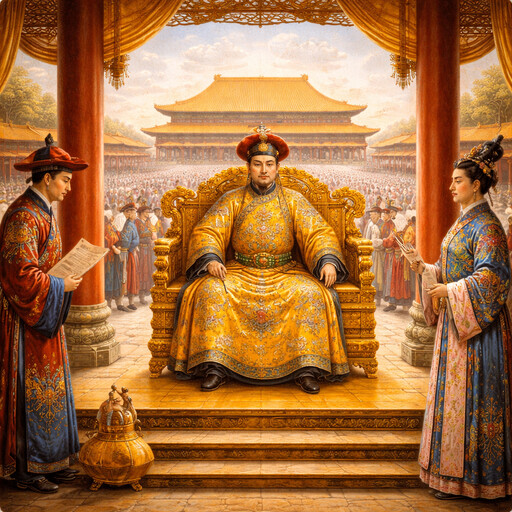
Qing dynasty
Last imperial dynasty of China
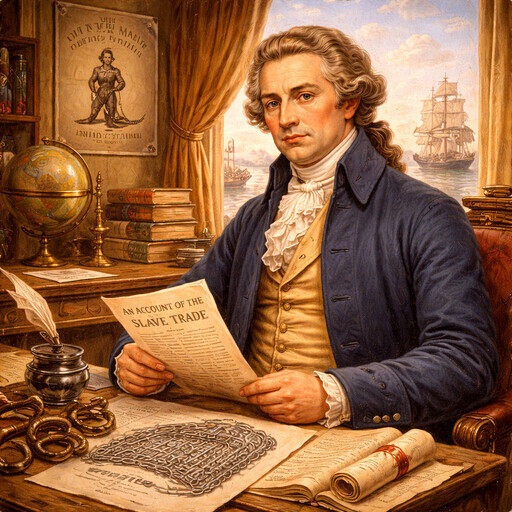
Thomas Clarkson
English campaigner against the slave trade
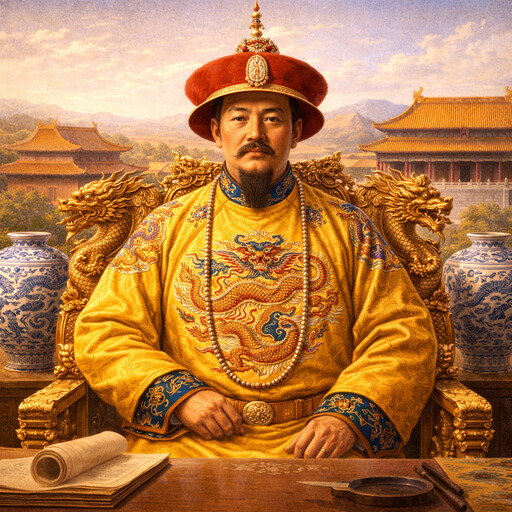
Ming dynasty
Chinese dynasty from 1368 to 1644
Isabella I
Queen of Castile and Spain’s unification
James Cook
British explorer of the Pacific Ocean
John Franklin
British explorer of the Arctic
Robert Walpole
Early leader of Britain’s government
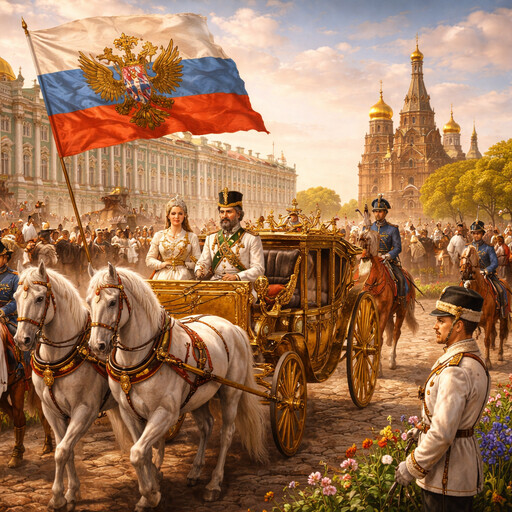
Russian Empire
Large empire ruled by Russian monarchs
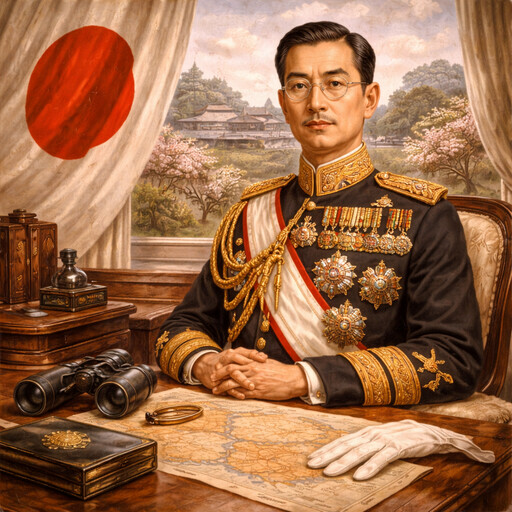
Hirohito
Emperor of Japan during World War II