Argentina is south-america's second-largest country, spanning more than 3,600 kilometers from bolivia's border to the tip of Tierra del Fuego. The mighty Andes form the western frontier with chile, culminating at Mount Aconcagua, the highest peak outside asia. East of the Andes lies the pampas, a sea of fertile grasslands where cattle and grains flourish, while further south Patagonia offers sheep ranches, oil fields, and glaciers that calve into turquoise lakes.
Buenos Aires, the capital, sits along the Río de la Plata estuary and is famous for its café culture, bookstores, theaters, and tango halls. Other major cities include Córdoba with its universities, Rosario on the Paraná River, Mendoza's wine capital, and Ushuaia, the southernmost city in the world. Iguazú Falls thunders through subtropical rainforest on the border with brazil and paraguay, attracting millions of visitors each year.
Argentina's history includes Indigenous cultures such as the Mapuche, Guaraní, and Wichí peoples, followed by Spanish colonization beginning in the 1500s. The May Revolution of 1810 sparked a path toward independence declared in 1816. Immigration from italy, spain, germany, Syria, and other regions transformed urban neighborhoods in the late 19th and early 20th centuries. The 20th century saw alternating democratic and military governments until a return to democracy in 1983, with strong human-rights movements preserving memory and justice.
Agriculture and livestock remain economic pillars, exporting beef, soybeans, corn, and wine. Argentina also develops lithium mines in the northwest's "Lithium Triangle," builds satellites through the CONAE space agency, and invests in wind farms across Patagonia. Entrepreneurs in Córdoba's "technology Cluster" and Buenos Aires's innovation districts create software, biotech, and audiovisual media for global markets.
Cultural life thrives in literature, cinema, and sports. Authors such as Jorge Luis Borges and Julio Cortázar redefined modern storytelling, while filmmakers win international awards. Tango, folk music, and rock nacional shape musical identity, and football clubs like Boca Juniors and River Plate inspire passionate fans. Schools emphasize science, arts, and civic engagement, and scientists monitor glaciers, pampas soils, and marine ecosystems to understand climate change and protect natural resources.
Argentina
Level
readlittle.com
Andes, pampas, and southern glaciers
What We Can Learn
- Argentina ranges from Andes peaks to pampas and Patagonian glaciers
- Buenos Aires blends European-style avenues with tango and literature
- Agriculture, energy, mining, and technology fuel the economy
- A strong cultural scene and democratic institutions promote human rights and creativity
Related Reads
No image
Monarchy
Government ruled by a royal family

Johann Gottfried Herder
German thinker of culture and language
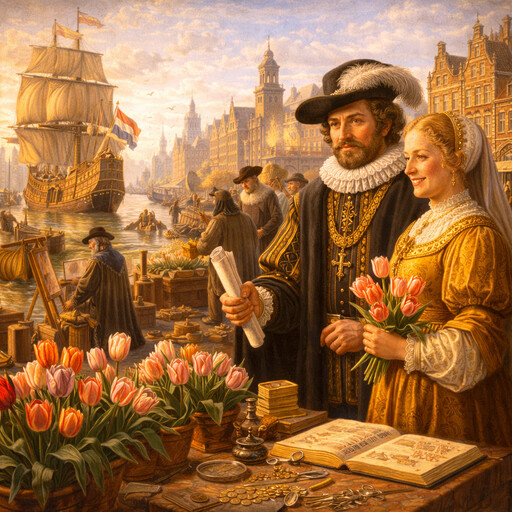
Dutch Golden Age
Period of Dutch global growth
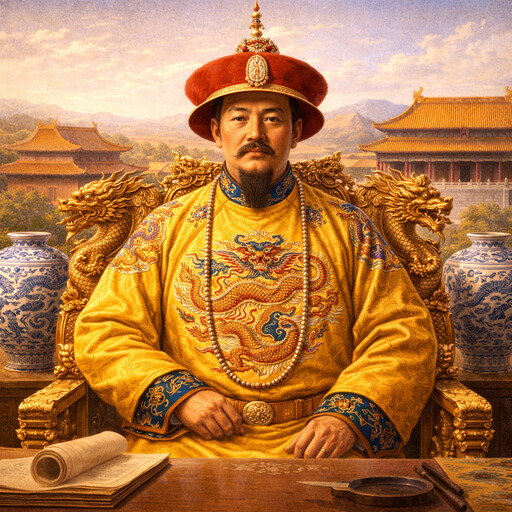
Ming dynasty
Chinese dynasty from 1368 to 1644
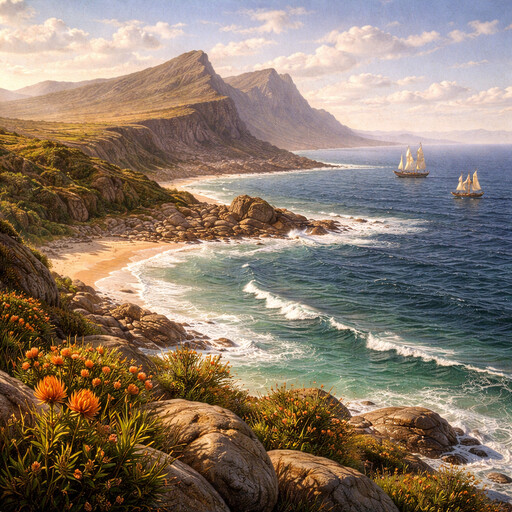
Cape of Good Hope
Southern headland of Africa
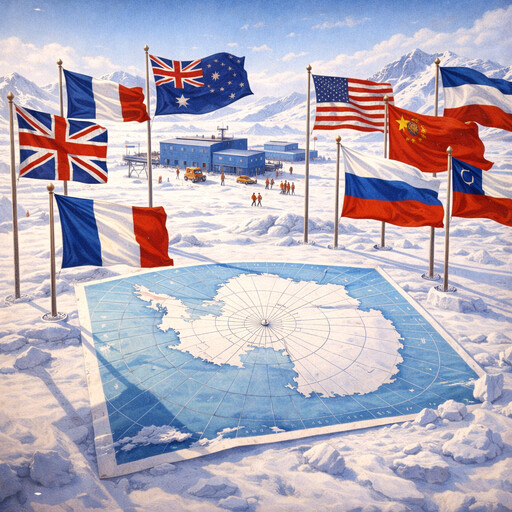
Antarctic Treaty System
Agreements governing Antarctica
Mary Kingsley
British traveler and writer in West Africa
David Livingstone
Scottish explorer of Africa

Lewis and Clark Expedition
Exploring the land west of the Mississippi

Louisiana Purchase
A land deal that doubled the United States
Alexander von Humboldt
Explorer of nature and the natural world
Northwest Passage
A sea route through Arctic waters