Humpback whales are medium-sized baleen whales known for their long pectoral flippers, which can span one third of their body length. White patterns on the underside of the flukes are as unique as fingerprints, allowing scientists to identify individuals. The whales get their name from the arched shape they create when diving; the back humps up, then the tail lifts out of the water in a dramatic flourish.
During summer, humpbacks feast in cold, nutrient-rich waters near Antarctica, Alaska, or the North Atlantic. They gulp schools of herring, sand lance, or krill using a variety of strategies. One famous method is bubblenet feeding: a group swims beneath prey while blowing spirals of bubbles that form a net, then all surge upward through the trapped fish with mouths open. Throat pleats expand to hold thousands of liters of water, which is then pushed out through baleen plates that trap the food.
Winter brings a migration of up to 8,000 kilometers to warm tropical seas where mothers give birth. Calves measure four to five meters at birth and nurse on fat-rich milk that helps them add a kilogram every hour. Mothers teach calves to breathe, dive, and tail-slap predators, then lead them back to feeding grounds the following spring. Humpbacks reach maturity at about ten years and can live more than 70 years.
Male humpbacks are famous singers. They produce songs lasting up to 20 minutes and repeat them for hours. Each population shares a core melody that slowly evolves over time, passing like a wave through the ocean. Scientists study these songs with underwater microphones while aerial drones capture footage of breaches and tail slaps used to communicate. Whaling once reduced humpbacks to a few thousand individuals, but international bans enacted in 1986 have allowed many populations to rebound. Modern threats include ship strikes, entanglement in lobster gear, and noise pollution that masks songs. Shipping slow zones, gear modifications, and quiet propeller technologies help these charismatic whales continue their global duet.
Humpback whale
Level
readlittle.com
Singing acrobats of the open ocean
What We Can Learn
- Long pectoral flippers and throat pleats help humpbacks maneuver and filter-feed.
- Bubblenet feeding requires coordinated teamwork among pod members.
- Calves are born in warm seas and migrate back to polar feeding grounds with their mothers.
- International protections, slower ships, and quieter oceans support humpback recovery.
Related Reads
Natural selection
How living things change over time
Chimpanzee
Inventive problem-solvers of African forests
Gorilla
Forest gardeners with gentle strength
Gelada
Grass-eating monkeys of the highlands
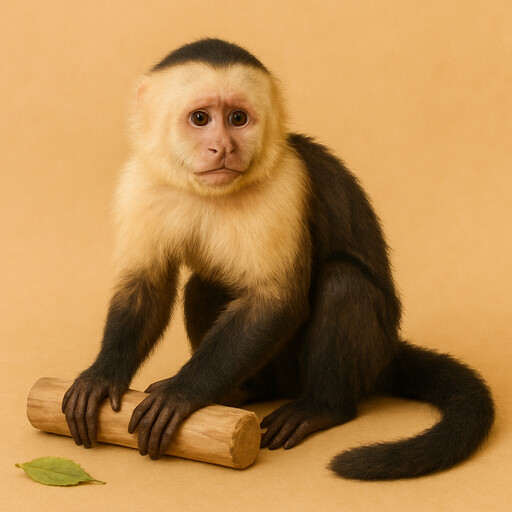
Capuchin
Quick-handed monkeys of the Americas
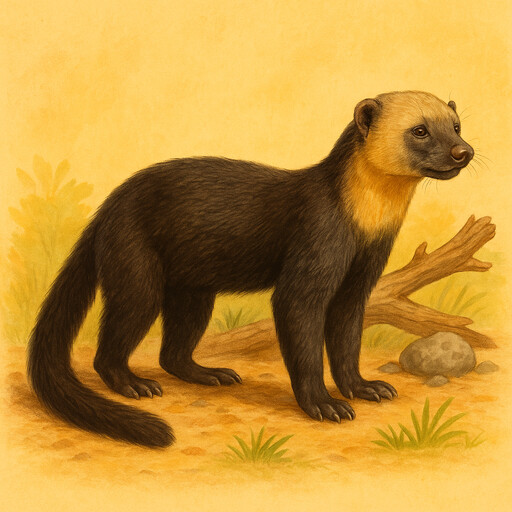
Tayra
Restless hunters of the Neotropics
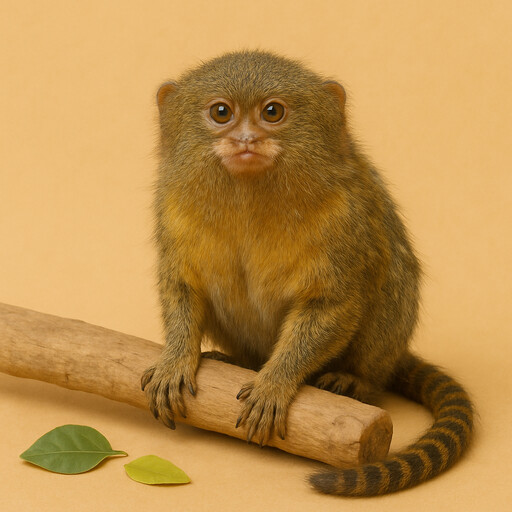
Pygmy marmoset
Thumb-sized sap specialist
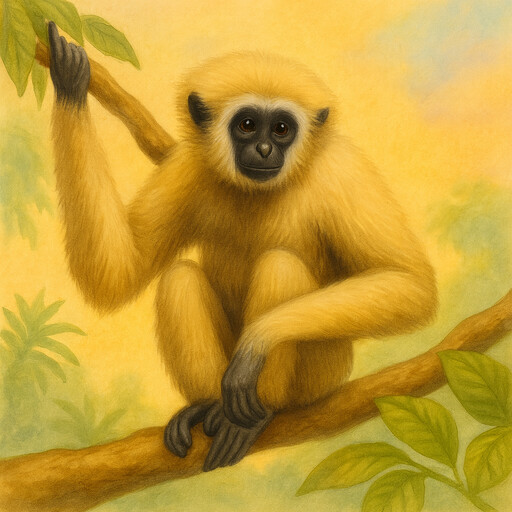
Gibbon
Singing acrobats of the canopy
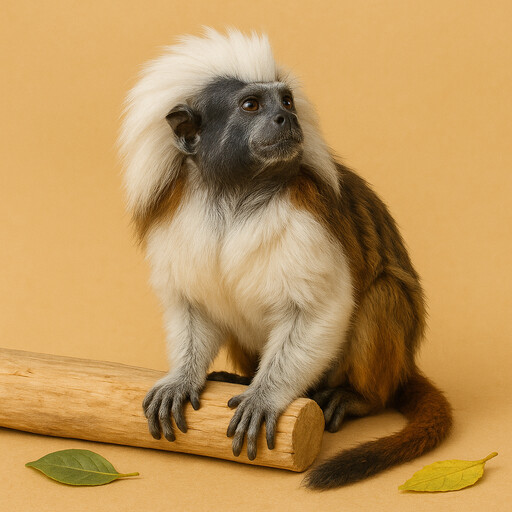
Tamarin
Tiny monkeys with bold mustaches
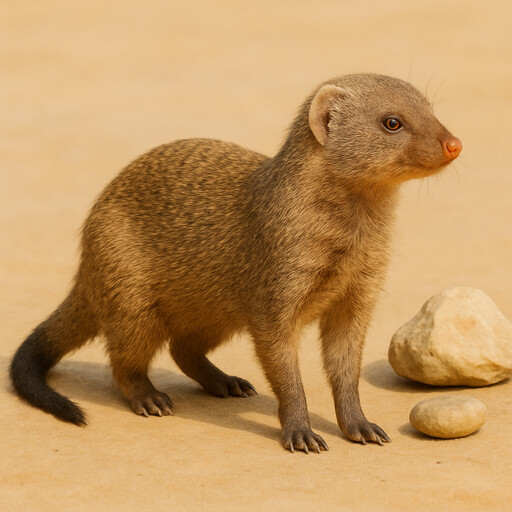
Mongoose
Quick hunters with shared dens

Baboon
Savanna troubleshooters
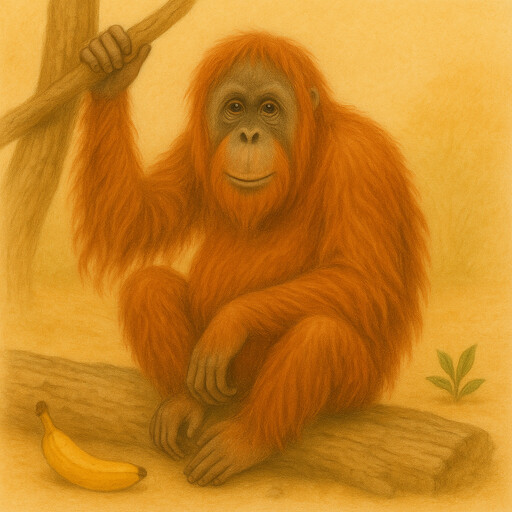
Orangutan
Solitary engineers of the canopy